Public Policy
Environmental RegulationsReliabilityState & RegionalAlabamaAlaskaArizonaArkansasCaliforniaColoradoConnecticutDelawareDistrict of ColumbiaFloridaGeorgiaHawaiiIdahoIllinoisIndianaIowaKansasKentuckyLouisianaMaineManitobaMarylandMassachusettsMichiganMinnesotaMississippiMissouriMontanaNebraskaNevadaNew HampshireNew JerseyNew MexicoNew YorkNorth CarolinaNorth DakotaOhioOklahomaOntarioOregonPennsylvaniaRhode IslandRTO-IndianaSouth CarolinaSouth DakotaTennesseeTexasUtahVermontVirginiaWashingtonWest VirginiaWisconsinWyoming
NV Energy
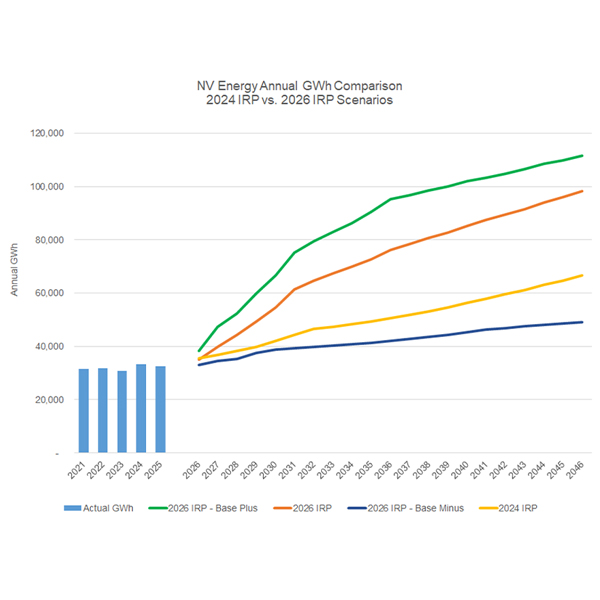
Facing surging electricity demand from data centers and artificial intelligence, NV Energy might soon be struggling to meet Nevada's renewable portfolio standard.

PJM
The White House and PJM's governors called for a special backstop capacity auction to procure $15 billion worth of new dispatchable generation, which is to be paid for by data centers.
Tri-State Generation and Transmission Association
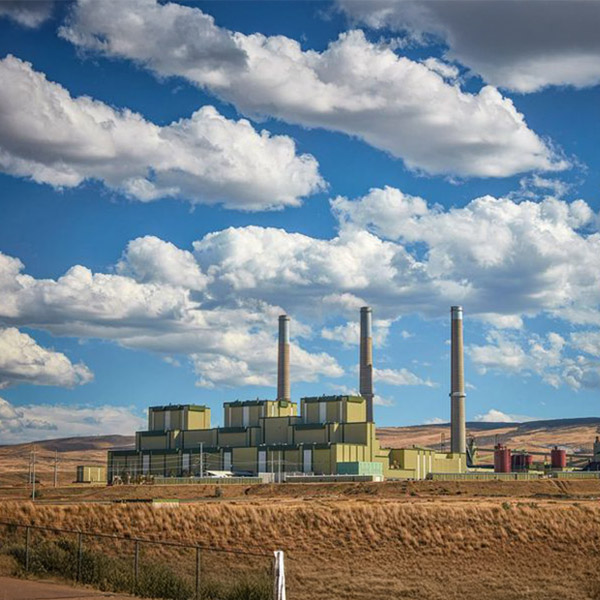
Local elected officials in Colorado are speaking out against the Trump administration’s order to keep the coal-fired Craig Generating Station Unit 1 available to operate past its planned retirement date.
Microsoft
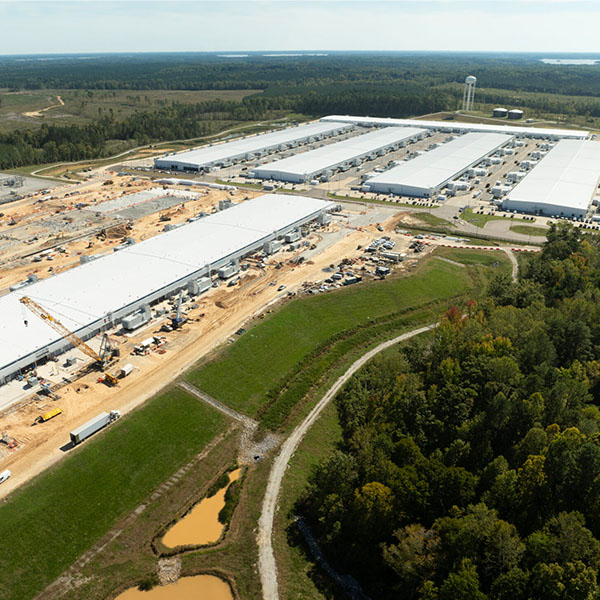
The California Public Utility Commission approved construction of a set of transmission infrastructure projects to support a 90-MW data center owned by Microsoft, but questions remain about whether the upgrades will increase or decrease ratepayer costs.

Meta
Earthjustice accused Meta of deliberately executing an unsanctioned financial arrangement to underwrite its planned, multibillion-dollar data center in northern Louisiana and asked the Public Service Commission to investigate.
Brattle
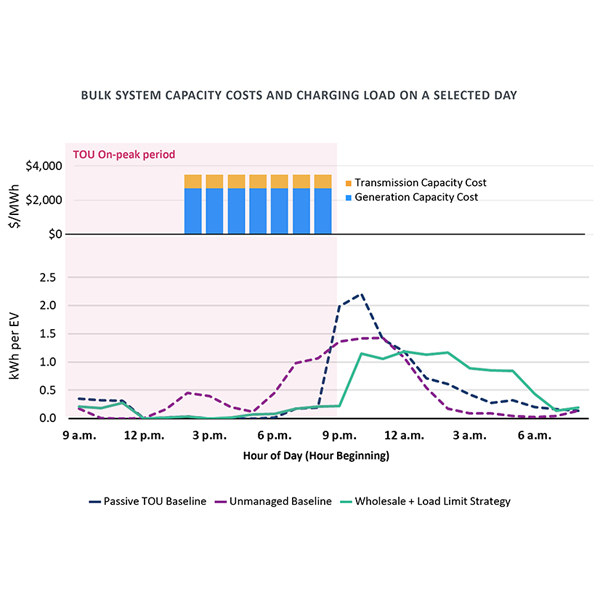
EnergyHub and Brattle Group released a study based on a real-world test of different strategies for managing charges on distribution circuits, which found significant benefits from managed charging once EVs become more common in a neighborhood.
ICF EnergyInsite
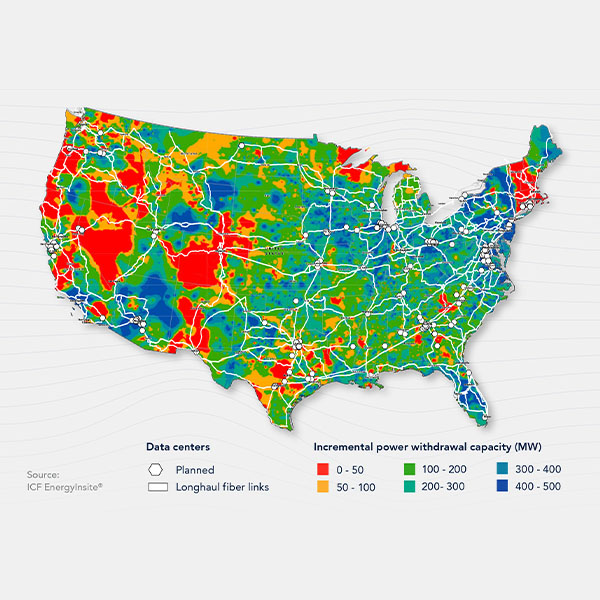
A commitment to “growth pays for growth” and properly structuring tariffs and energy supply agreements can ensure data centers pay all their costs, writes Nick Myers of the Arizona Corporation Commission.
House Committee on Energy and Commerce
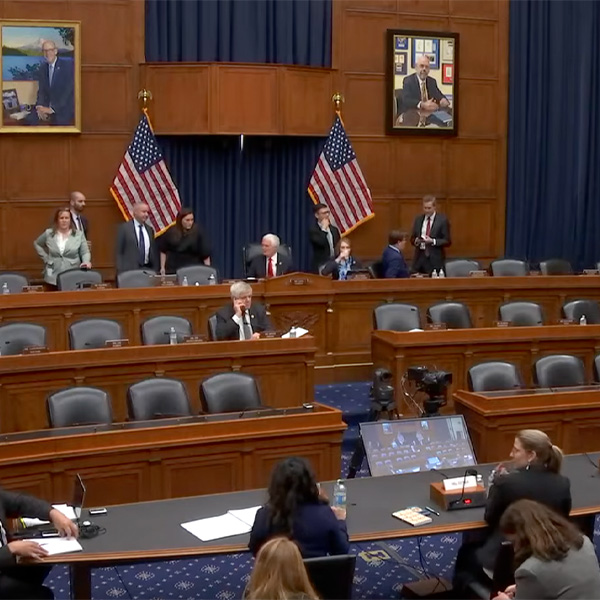
Democrats pressed a senior DOE official on recent decisions affecting PJM, including the agency's orders to keep coal plants running, while another agency shut down offshore wind projects nearing completion.

N.Y. Governor's Office
New York Gov. Kathy Hochul is calling for a “Nuclear Reliability Backbone” of more than 8 GW as part of an all-of-the-above energy solution, which was among the more than 200 initiatives she floated as part of her State of the State Address.
Shutterstock
Regulators attempt to balance the interests of the different stakeholders with the overall goal of promoting the general good. This has become increasingly difficult as regulators must cope with new interests, says energy consultant Kenneth W. Costello.
Want more? Advanced Search