Public Policy
Environmental RegulationsReliabilityState & RegionalAlabamaAlaskaArizonaArkansasCaliforniaColoradoConnecticutDelawareDistrict of ColumbiaFloridaGeorgiaHawaiiIdahoIllinoisIndianaIowaKansasKentuckyLouisianaMaineManitobaMarylandMassachusettsMichiganMinnesotaMississippiMissouriMontanaNebraskaNevadaNew HampshireNew JerseyNew MexicoNew YorkNorth CarolinaNorth DakotaOhioOklahomaOntarioOregonPennsylvaniaRhode IslandRTO-IndianaSouth CarolinaSouth DakotaTennesseeTexasUtahVermontVirginiaWashingtonWest VirginiaWisconsinWyoming
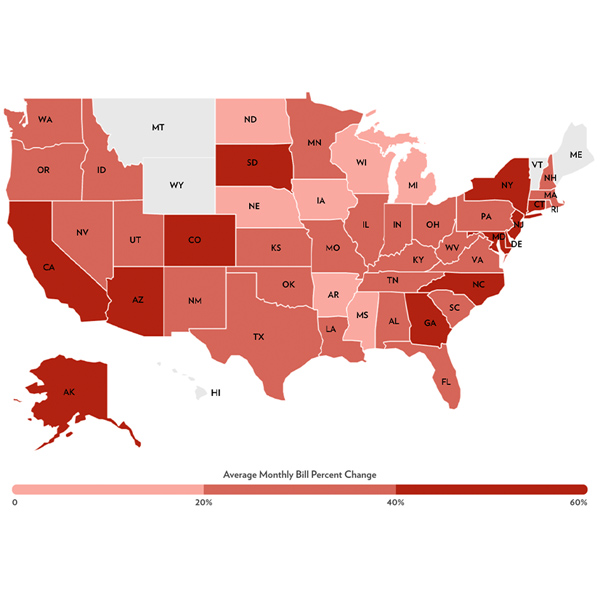
The Century Foundation commentary with data from UC-CCP
Residential electricity bills have moved from being background noise in discussions about resource adequacy, decarbonization, and transmission expansion to being the loudest political and business risk, says Dej Knuckey.
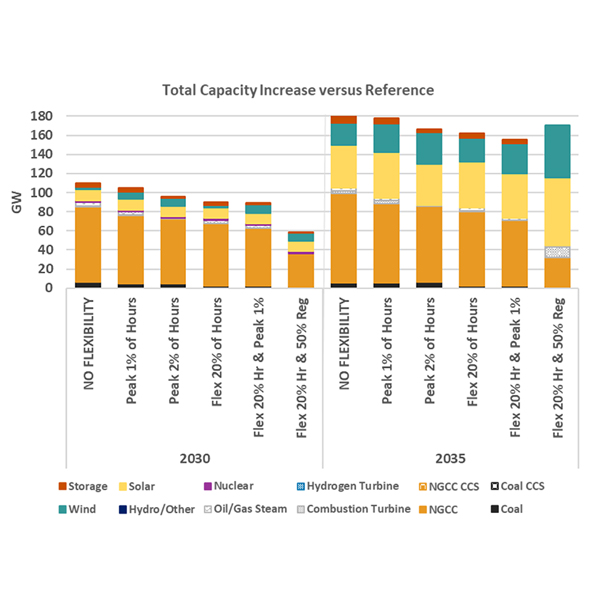
Duke University
Demand flexibility among data centers could reduce the need for new gas-fired generation needed to supply their energy consumption while driving development of additional renewables and cutting electricity prices, according to a Duke University report.

Ørsted
After 19 months, New York has abandoned its most recent attempt to procure offshore wind power, saying it would not be prudent to proceed amid federal policy uncertainty.

Mikie Sherrill for New Jersey
New Jersey legislators advanced a bill that would protect ratepayers from rate hikes triggered by data center development, as the state looks for ways to add generation capacity, boost its infrastructure and curb energy use.

Voltus
Former FERC Chair and Voltus executive Jon Wellinghoff discussed his career and its focus on consumers. He is a headlining speaker at the EMPOWER 2026 Conference in Boulder.
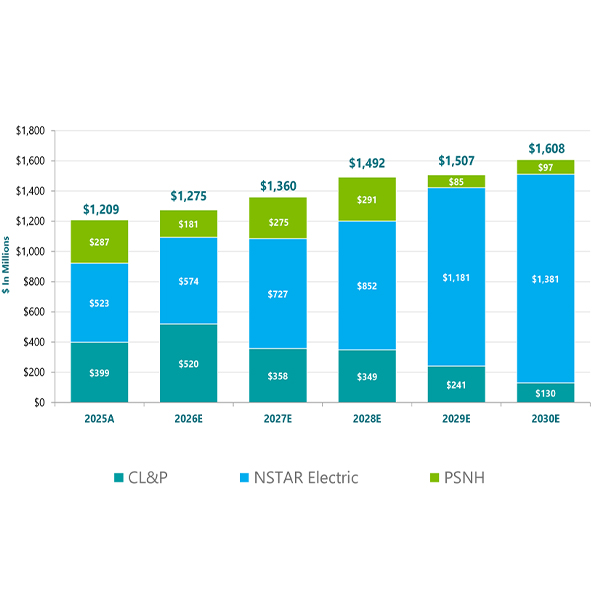
Eversource Energy
Eversource Energy increased its five-year capital investment plan by $2.3 billion, an increase largely driven by investments in its gas and electric distribution systems.

© RTO Insider
NARUC’s Winter Policy Summit focused on the main issue facing the power industry — how to reliably and affordably interconnect new large load customers.
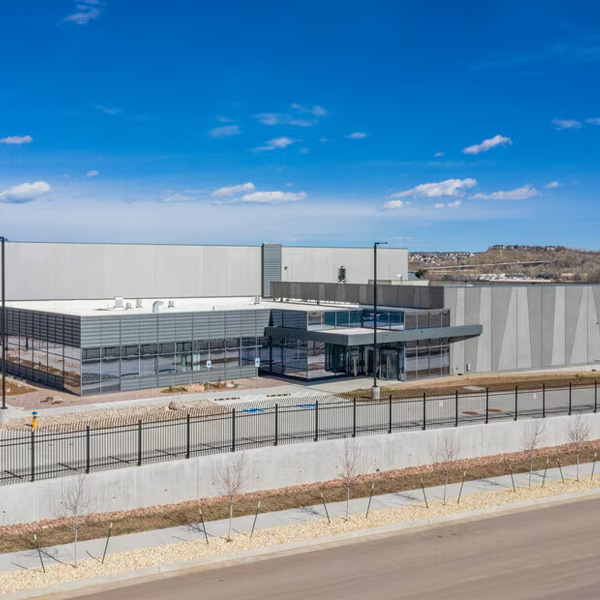
LoopNet
Colorado lawmakers have introduced a bill that would impose renewable energy requirements on data center developers and ban shifting of cost for electricity and grid investments to other utility customers.
TVA
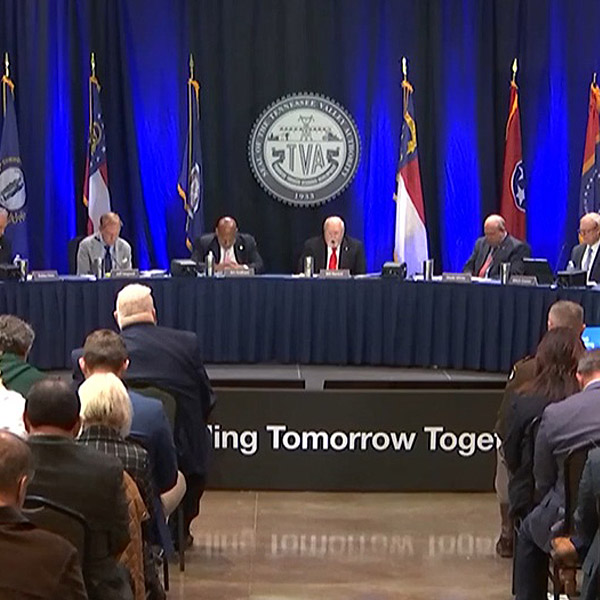
The Tennessee Valley Authority revoked its previous decision to wind down operations at two of its coal plants, citing upward demand and the Trump administration’s coal-friendly posture.

Google
New York is trying to strike a balance between economic development, grid stability and affordability as potential new large load customers look for electricity.
Want more? Advanced Search