
State & Regional
AlabamaAlaskaArizonaArkansasCaliforniaColoradoConnecticutDelawareDistrict of ColumbiaFloridaGeorgiaHawaiiIdahoIllinoisIndianaIowaKansasKentuckyLouisianaMaineManitobaMarylandMassachusettsMichiganMinnesotaMississippiMissouriMontanaNebraskaNevadaNew HampshireNew JerseyNew MexicoNew YorkNorth CarolinaNorth DakotaOhioOklahomaOntarioOregonPennsylvaniaRhode IslandRTO-IndianaSouth CarolinaSouth DakotaTennesseeTexasUtahVermontVirginiaWashingtonWest VirginiaWisconsinWyoming
© RTO Insider
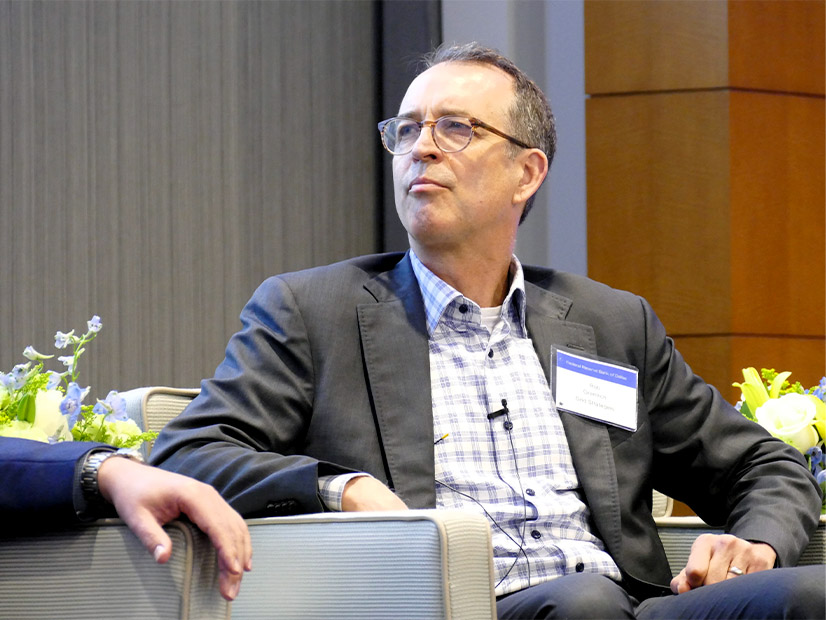
Figures in the energy industry are casting doubt on the White House’s proposal to shield ratepayers from the costs of interconnecting large loads, saying it ignores the jurisdictional responsibility between regulatory authorities.
© RTO Insider
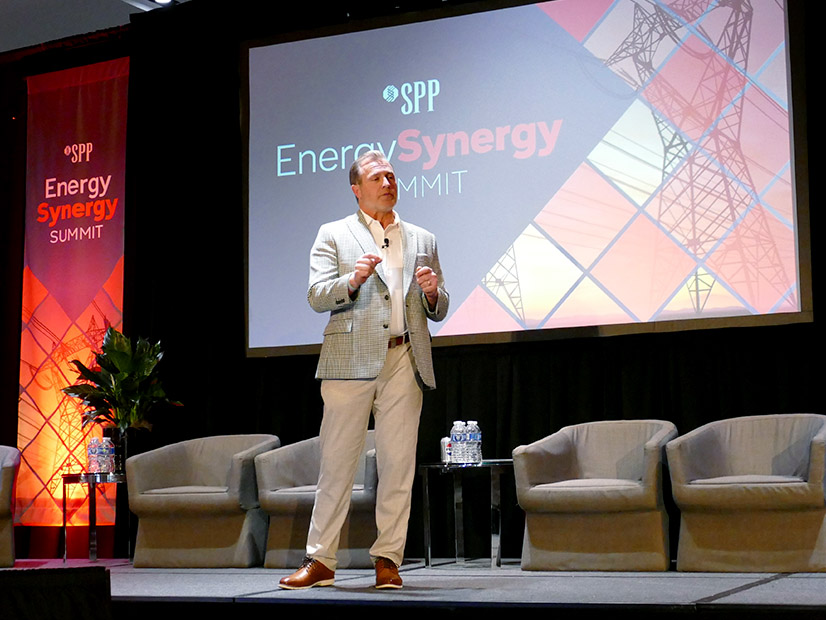
“Massive change, massive challenges, massive opportunities,” SPP CEO Lanny Nickell said in kicking off the grid operator's second Energy Synergy Summit that focused on meeting data center growth.

Shutterstock
After receiving pan-sector feedback from stakeholders asking for more time to review NYISO's proposed changes to the reliability planning process, the ISO said it would delay proposing tariff language.
Kentucky PSC
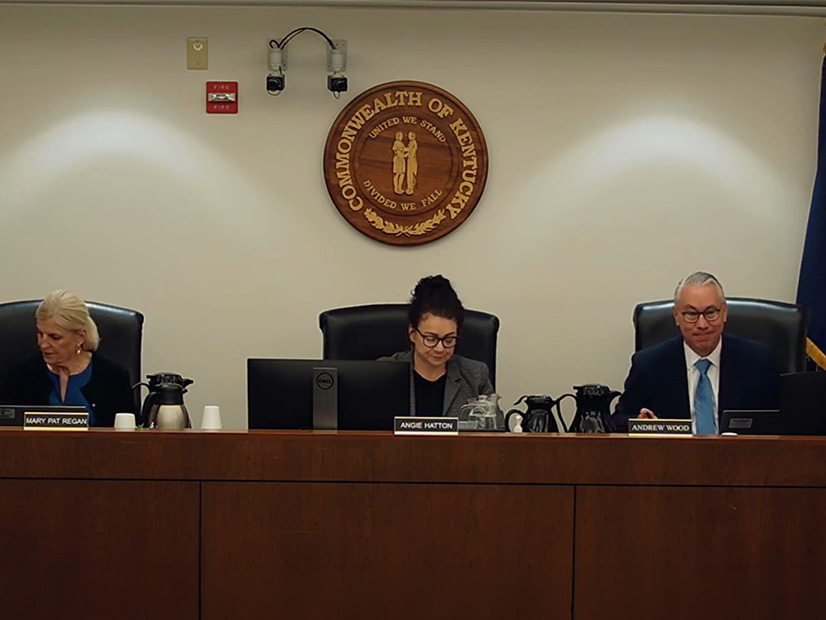
Kentucky lawmakers are working to overhaul the Public Service Commission in what they say is an effort to combat rising utility rates, while the governor characterized it as political maneuvering.

Shutterstock
The New Jersey Board of Public Utilities approved the state’s first incentivized storage projects and launched new community and grid-scale solar solicitations.
U.S. Rep. Mike Lawler
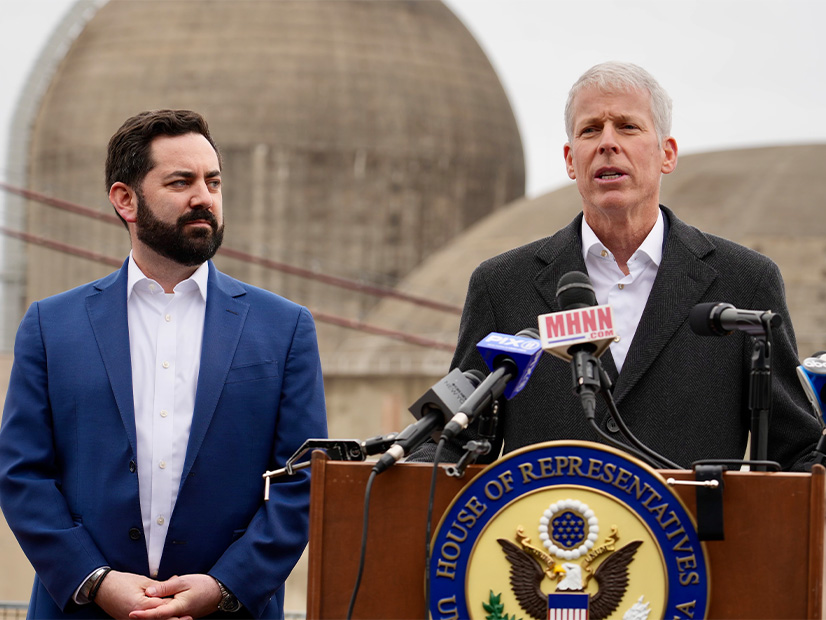
No specifics are being offered, and the site’s owner indicates significant financial and political support must be established before such a restart of Indian Point could be considered.
SRP
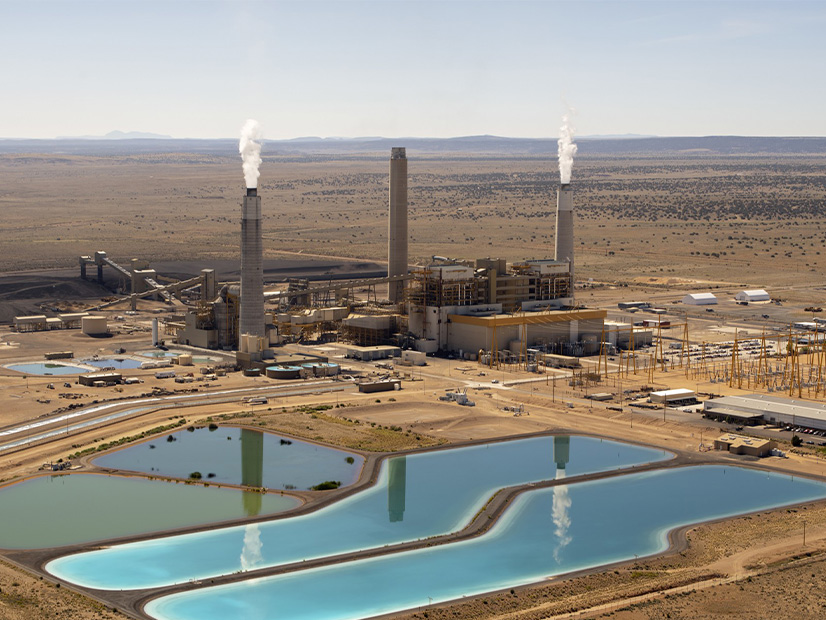
Two Arizona utilities received approval to convert coal-fired power plants to run on natural gas, projects they say will enhance grid reliability, reduce emissions and preserve jobs.
Eversource
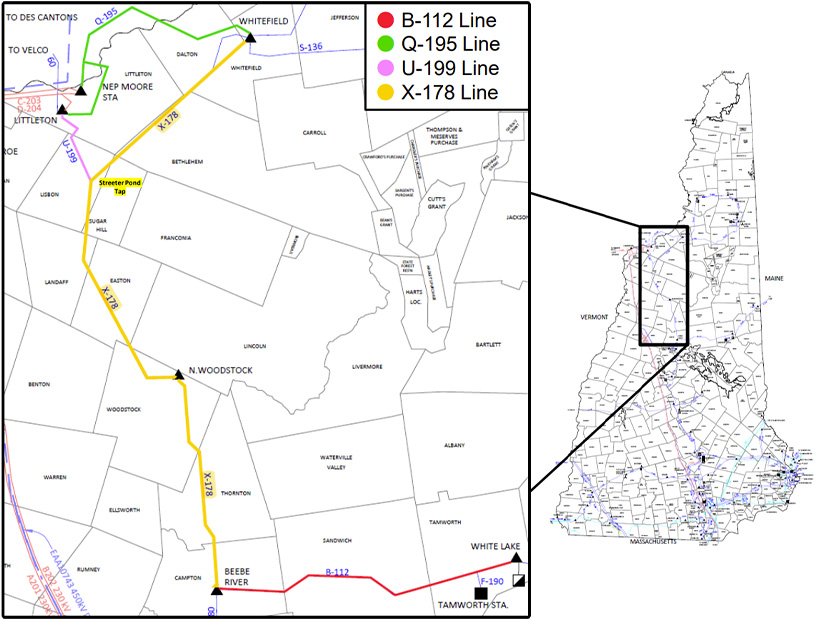
FERC dismissed a complaint about a $385 million asset condition project on an Eversource Energy transmission line in New Hampshire, finding it failed to demonstrate any violations by the company.
MISO
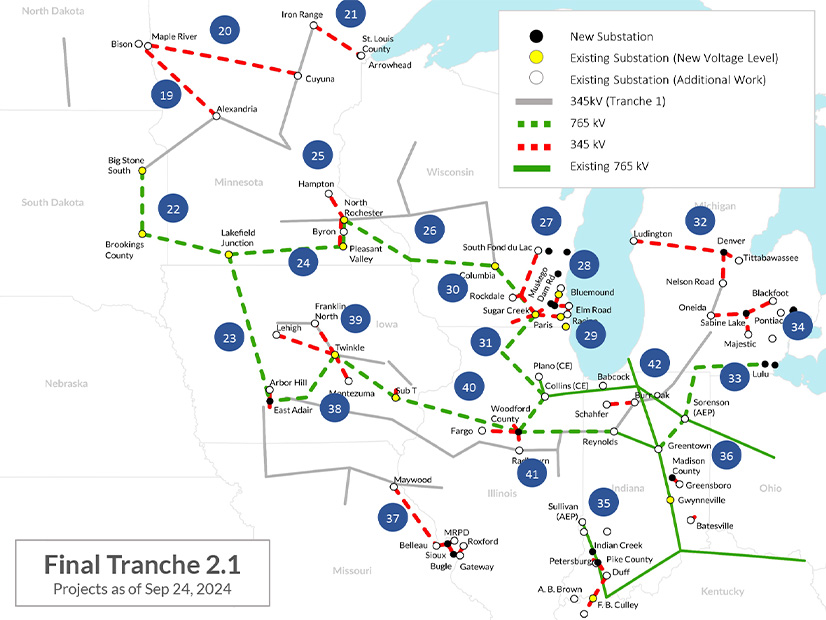
MISO opened a third review of a long-range transmission project, this time because three substations are needed more than five years ahead of schedule to accommodate new data center load.
ACI
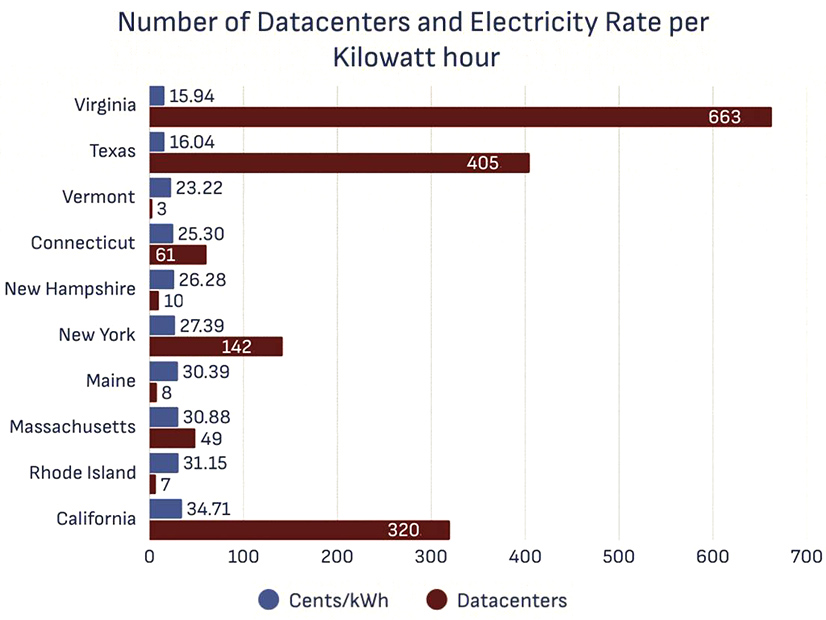
Data centers have become the whipping boy of high electric bills; consumers believe they are paying higher rates because of these power-hungry server farms. However, it is not that simple, writes Kristen Walker of The American Consumer Institute.
Want more? Advanced Search
