Resources
Demand ResponseDistributed Energy Resources (DER)Energy EfficiencyEnergy StorageBattery Electric StorageOther Electric StorageGenerationCoalGeothermalHydrogenHydropowerNatural GasNuclear PowerOffshore WindOnshore WindOperating ReservesRooftop/distributed SolarUtility-scale SolarResource Adequacy

Entergy Mississippi, Sargent & Lundy
MISO hopes to become the next RTO with a limited express lane in its interconnection queue to help get badly needed generation online faster.

Minnesota Public Utilities Commission
Minnesota regulators voted unanimously to require that Amazon demonstrate a need for a 250-unit fleet of backup diesel generators at its proposed data center in the state.
House Committee on Energy and Commerce
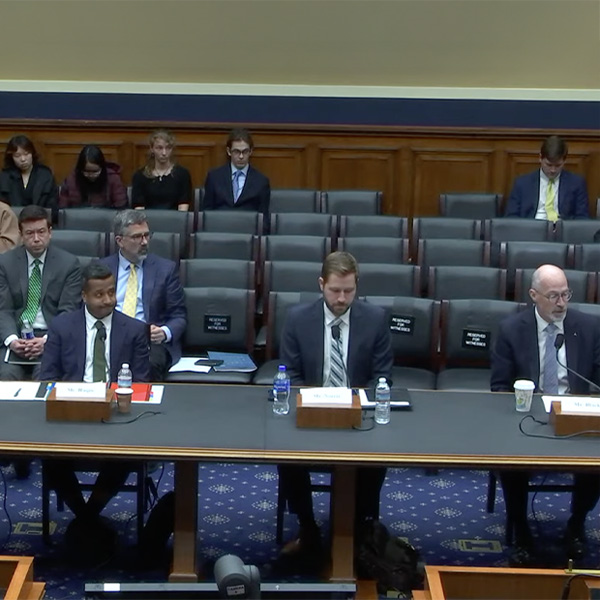
The House Energy and Commerce Subcommittee on Energy looked into demand growth, which both parties recognized as an opportunity that could benefit policy changes, though plenty of daylight exists on how to address it.
© RTO Insider LLC
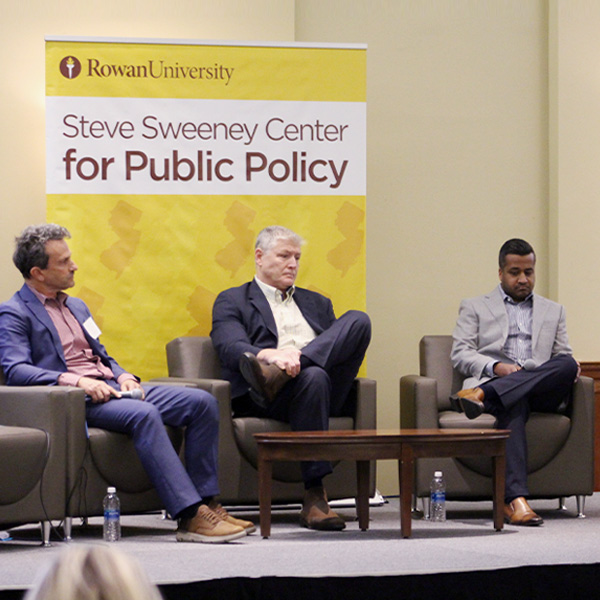
Facing a 40% hike in electricity demand by 2030, New Jersey needs to rapidly craft a plan on how to boost generation and develop its transmission and distribution system, speakers at a conference on the state’s energy future said.

© RTO Insider LLC
The PJM Planning Committee endorsed by acclamation revisions to Manual 14H to conform with changes to the RTO’s surplus interconnection service process FERC approved in February.

Congressional Research Service
Pluvia, a firm based in Puerto Rico, has asked FERC to find that its project of shipping energy from the mainland to the island via batteries on cargo ships could trigger commission jurisdiction.
Entergy
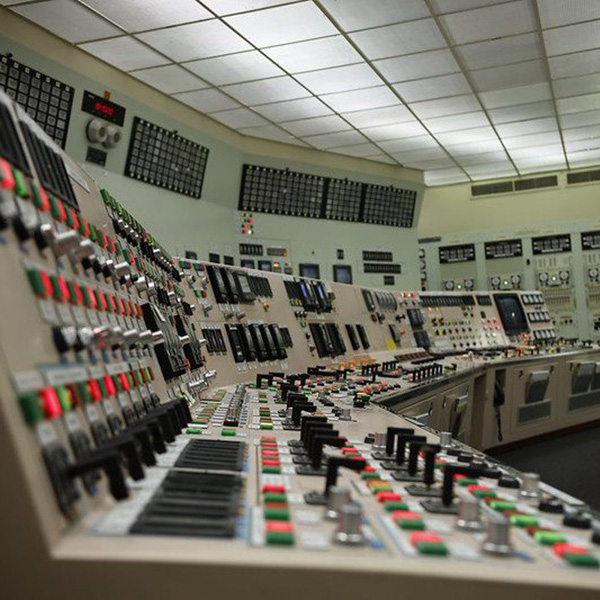
FERC has given the Palisades Nuclear Plant special permission to exceed MISO’s 36-month limit on generator suspensions as owner Holtec International works through the plant’s reopening.

BLM
With data centers already causing “major disturbances” on the grid, the industry could learn lessons from the recent growth and implementation of IBRs, according to a new Elevate Energy Consulting study.
© RTO Insider LLC
MISO is nearing an overhaul of its capacity accreditation methods for load-modifying resources and demand response that would be based on whether they can assist during periods of high system risk.
Brattle Group
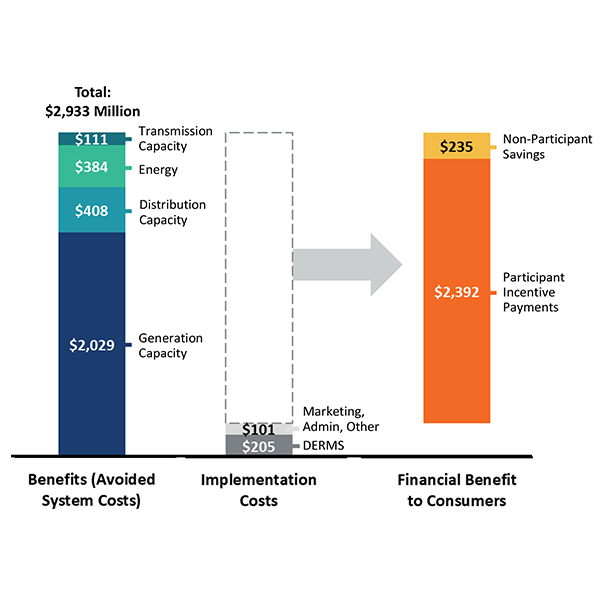
A Brattle Group study found that New York could achieve 8.5 GW in “grid flexibility” measures by 2040, saving consumers more than $2 billion a year.
Want more? Advanced Search