
Resources
Demand ResponseDistributed Energy Resources (DER)Energy EfficiencyEnergy StorageBattery Electric StorageOther Electric StorageGenerationCoalGeothermalHydrogenHydropowerNatural GasNuclear PowerOffshore WindOnshore WindOperating ReservesRooftop/distributed SolarUtility-scale SolarResource Adequacy
IESO
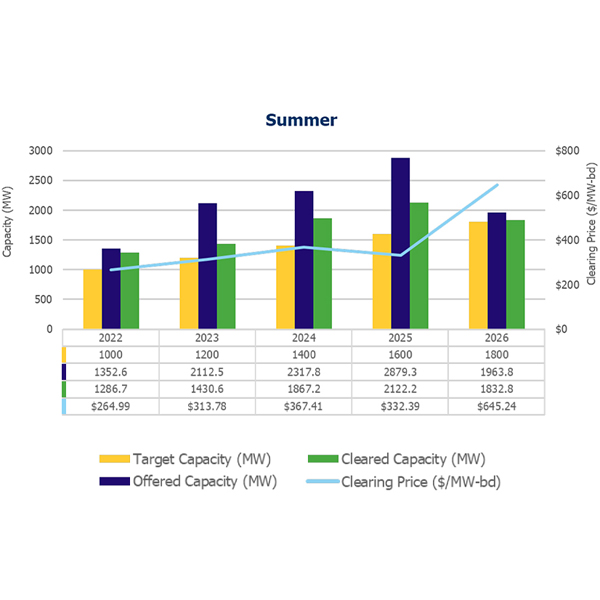
IESO downgraded less than 100 MW of capacity for November’s auction in the first application of its Performance Adjustment Factor in both the winter and summer seasons.
Meta
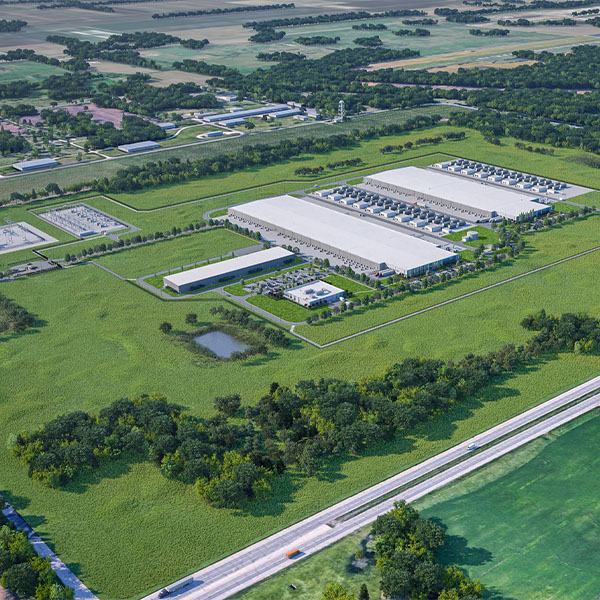
MISO said it likely will create interconnection reliability requirements and explore new rules that could bring large customers online in stages, as capacity becomes available, to get a handle on large loads eyeing MISO locales.
EIA
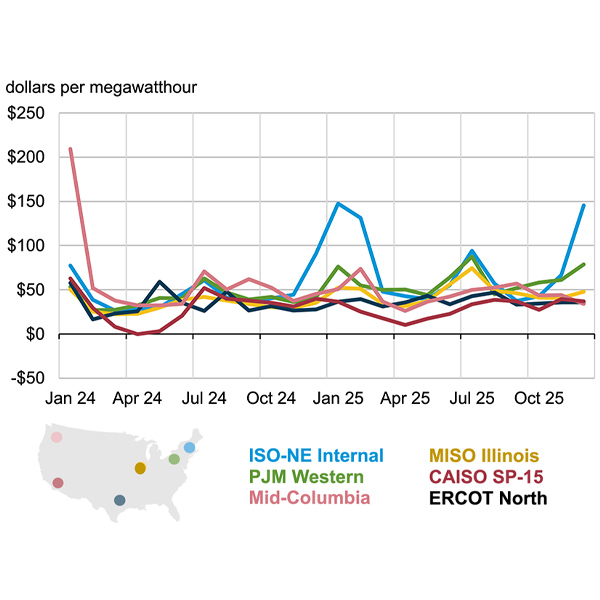
Average wholesale day-ahead electricity prices were higher in 2025 than in 2024 at most but not all major trading hubs in the contiguous 48 states.
AdminMonitor
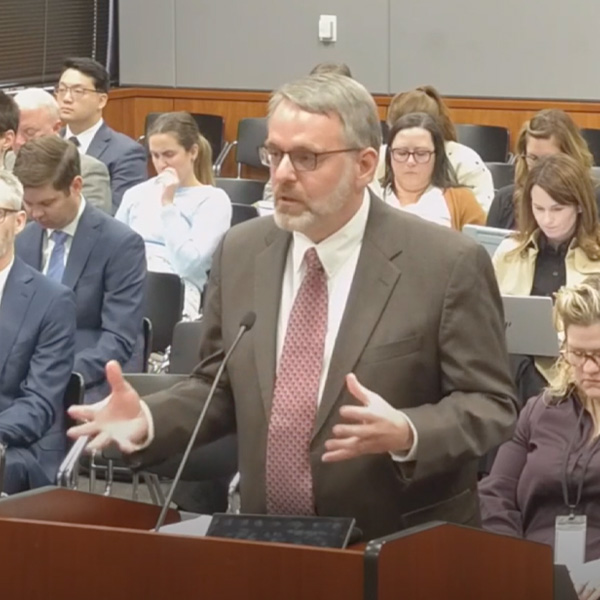
ERCOT says it leaned on Texas’ 15 mobile generating units and an RMR unit during the state’s first major cold-weather event since 2021’s disastrous Winter Storm Uri.
EPRI
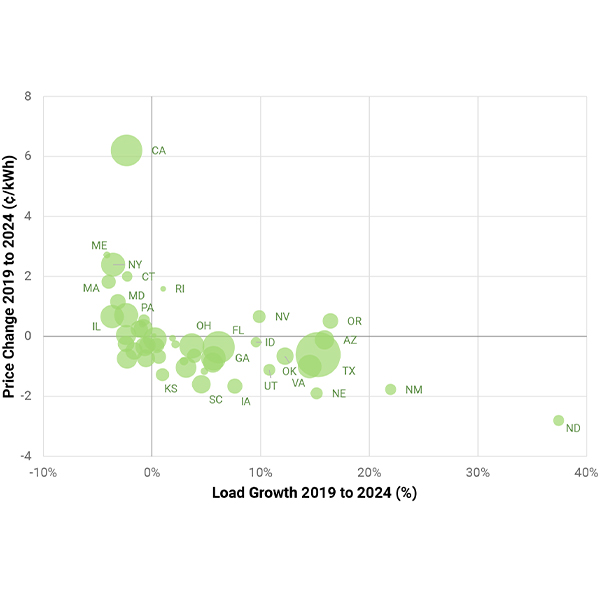
If the incremental costs of serving the new loads are below the current average costs, new demand can actually lower average retail rates as the system costs are spread across a wider base, the report concludes.
NYSERDA
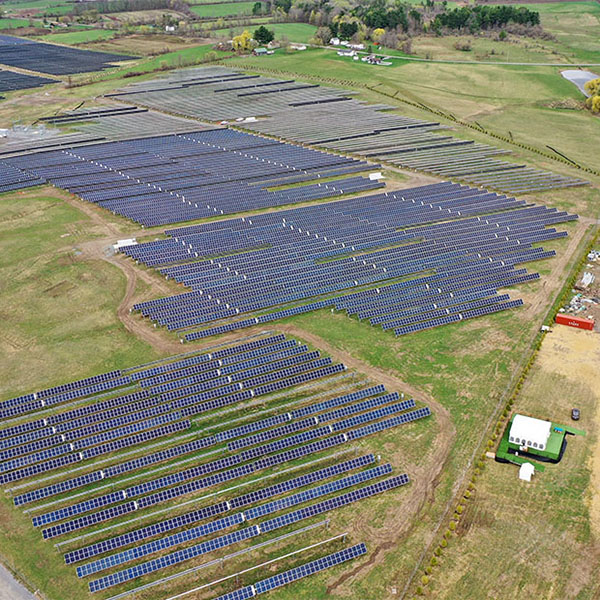
After a decade of intensive policy work and billions of dollars expended, the state’s grid was more reliant on carbon-based fuels in 2024 than in 2014.
© RTO Insider LLC
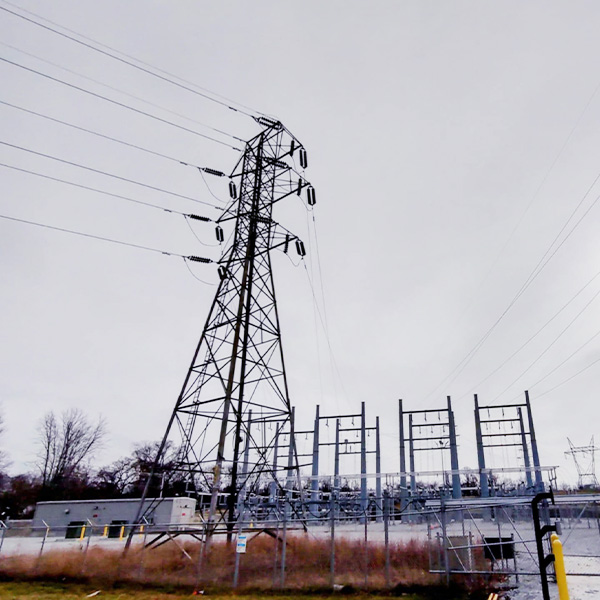
MISO has deferred plans for an all-encompassing future-looking assessment that relies on member data after state regulators appeared hesitant about the move.
APS
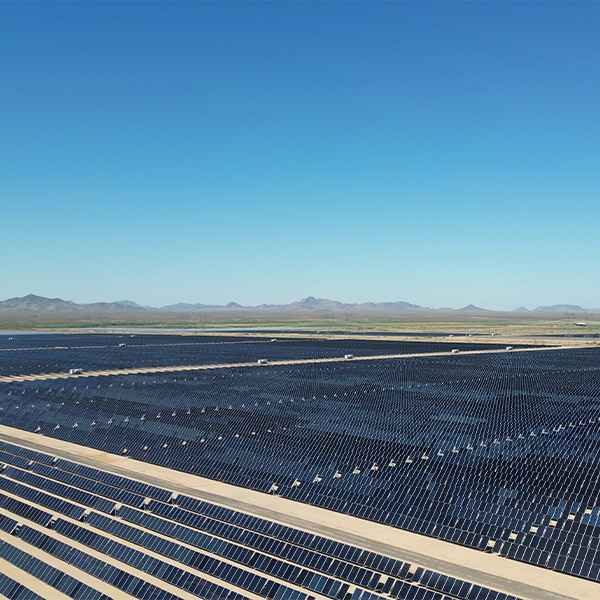
The U.S. Department of Energy has canceled a pending $1.8 billion loan guarantee to Arizona Public Service that was intended to help finance transmission, renewable energy and storage projects.
PowerLines
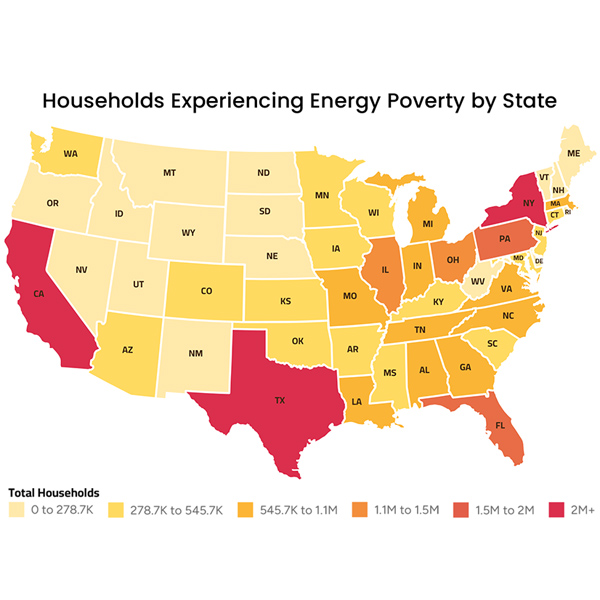
A newly published review of utilities serving 81.1 million U.S. customers found a total of $30.5 billion in 2025 rate hike requests — a record high, and twice as much as was sought in 2024.
IESO
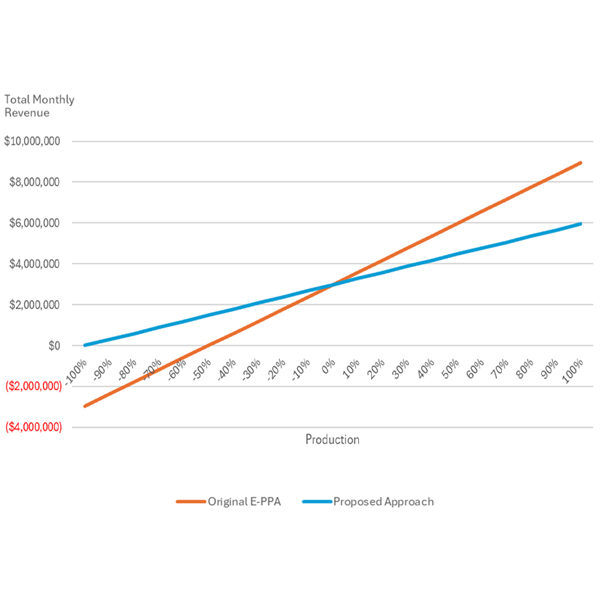
IESO officials held firm on excluding hydro redevelopment projects from the ISO’s Long Lead-Time procurement despite objections from potential bidders.
Want more? Advanced Search
