
Resources
Demand ResponseDistributed Energy Resources (DER)Energy EfficiencyEnergy StorageBattery Electric StorageOther Electric StorageGenerationCoalGeothermalHydrogenHydropowerNatural GasNuclear PowerOffshore WindOnshore WindOperating ReservesRooftop/distributed SolarUtility-scale SolarResource Adequacy
© RTO Insider
The Electricity Customers Alliance released a paper offering some potential ideas FERC could take up to ensure affordability in a era of major load growth.
U.S. Army Corps of Engineers
California’s two large offshore wind projects could be delayed by up to six years due to recent federal policy actions, a CPUC administrative law judge said.
© RTO Insider LLC
ERCOT stakeholders used their first Technical Advisory Committee meeting of 2026 to mark the committee’s 30 years of existence and achievements, sharing memories of their work together and recognizing members.
Hydro-Québec
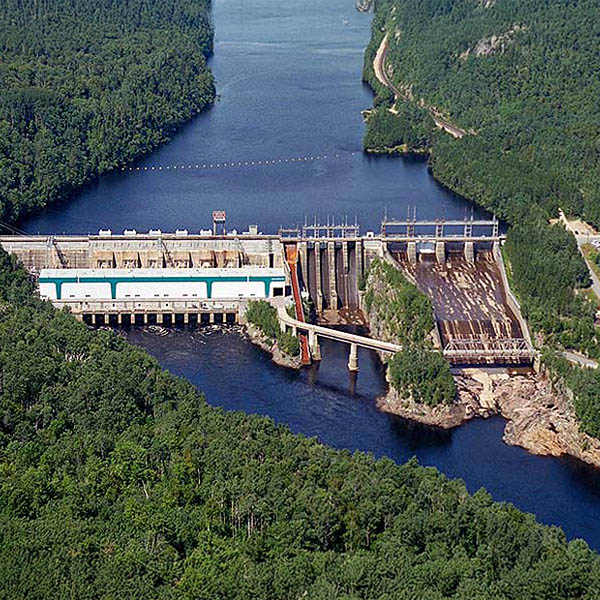
As extreme winter weather descended on the Eastern U.S. and Canada, Hydro-Québec suspended power exports to New England on the New England Clean Energy Connect transmission line because of reliability concerns in Québec.
© RTO Insider LLC
The PJM Markets and Reliability Committee and Members Committee endorsed the RTO’s recommended installed reserve margin and forecast pool requirement for the third 2026/27 Incremental Auction.
© RTO Insider LLC
PJM stakeholders kicked off discussions on creating a “backstop” auction to be held in September at the insistence of the Trump administration and the governors of the RTO’s 13 states.
Yes Energy
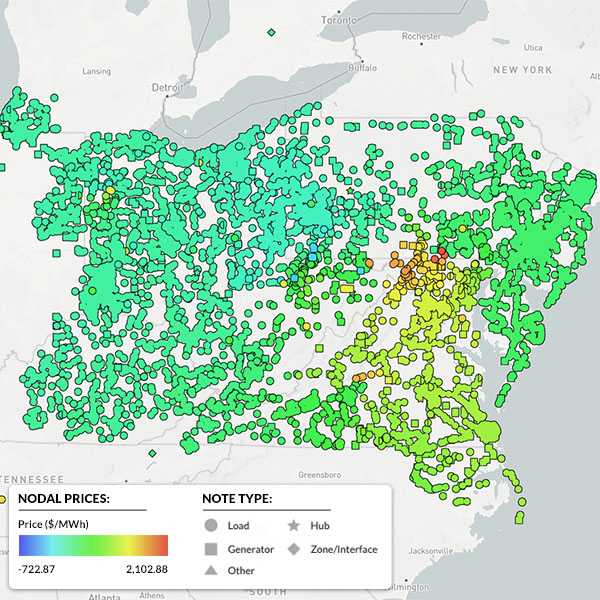
The winter storm that moved through Texas and much of the Eastern Interconnection cut power to hundreds of thousands of people and stressed the bulk power system, but did not create major disruptions like other storms earlier this decade.
California Energy Commission
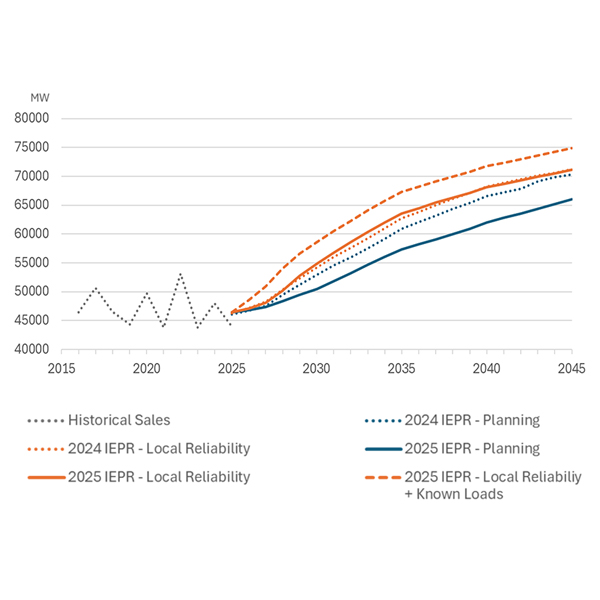
The California Energy Commission signed off on a forecast showing the state's electricity consumption could surge by as much as 61% over the next 20 years, mostly from increased EV adoption.
Ace Glass
FERC rejected a rehearing request of its order approving SPP’s proposed one-time accelerated study of shovel-ready interconnection requests, sustaining its original 2025 decision.
Goldendale Energy Storage LLC
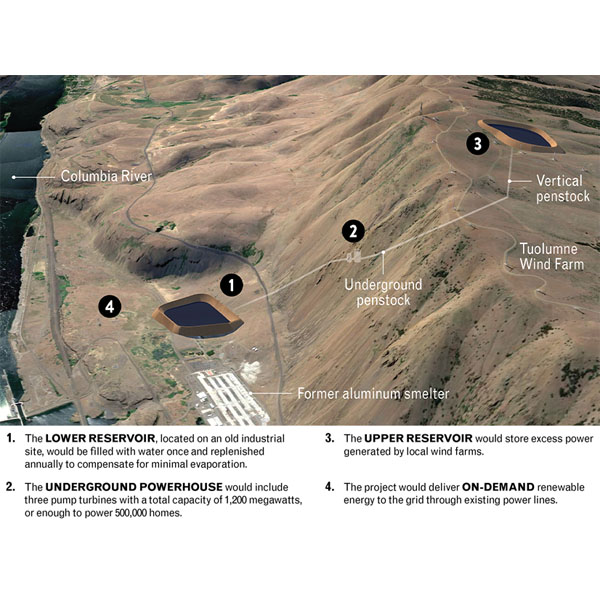
FERC approved a 40-year license for a proposed 1.2-GW pumped hydroelectric storage facility near the city of Goldendale in Klickitat County, Wash.
Want more? Advanced Search
