
Resources
Demand ResponseDistributed Energy Resources (DER)Energy EfficiencyEnergy StorageBattery Electric StorageOther Electric StorageGenerationCoalGeothermalHydrogenHydropowerNatural GasNuclear PowerOffshore WindOnshore WindOperating ReservesRooftop/distributed SolarUtility-scale SolarResource Adequacy
Northwest Power and Conservation Council
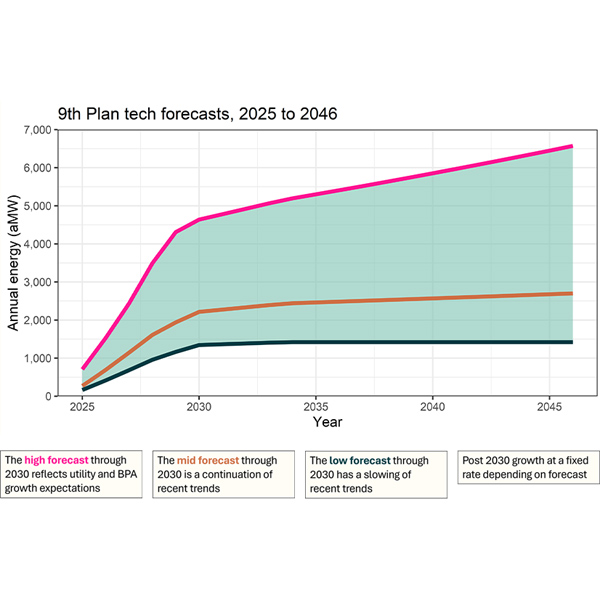
Data centers bring new regional planning challenges for the Northwest Power and Conservation Council’s upcoming power plan, the organization said during a recent meeting.
Union of Concerned Scientists
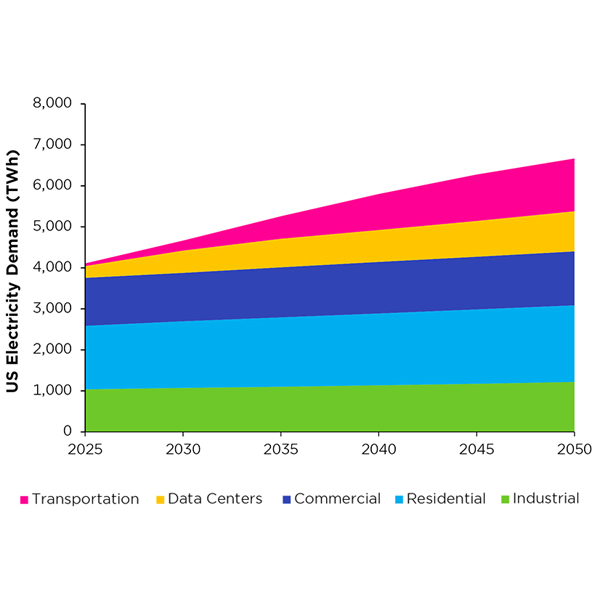
The latest in a series of Union of Concerned Scientists reports on the costs of the AI boom asserts that powering U.S. data centers with clean energy would avert trillions of dollars in health and environmental costs.

Upsite Technologies
Oregon Gov. Tina Kotek has appointed a new committee to help address the effects of the rapid growth of new data centers in the state — with a particular focus on the electricity system.
American Clean Power Association
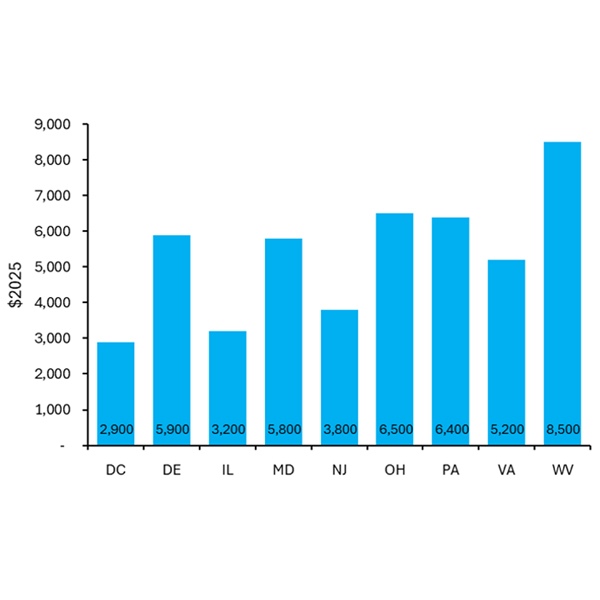
A report from the American Clean Power Association argues that slowing down renewable development in PJM could cost ratepayers $360 billion over the next decade.
AdminMonitor
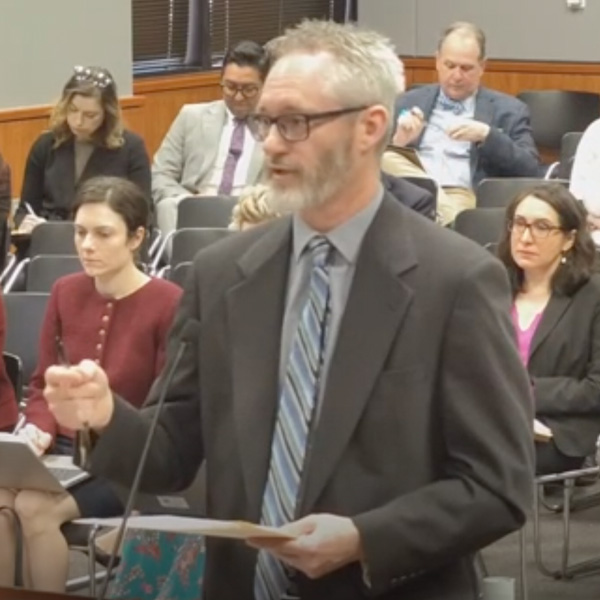
ERCOT says there is “broad agreement” from stakeholders that the grid operator’s batch-based approach for interconnecting large loads is necessary.
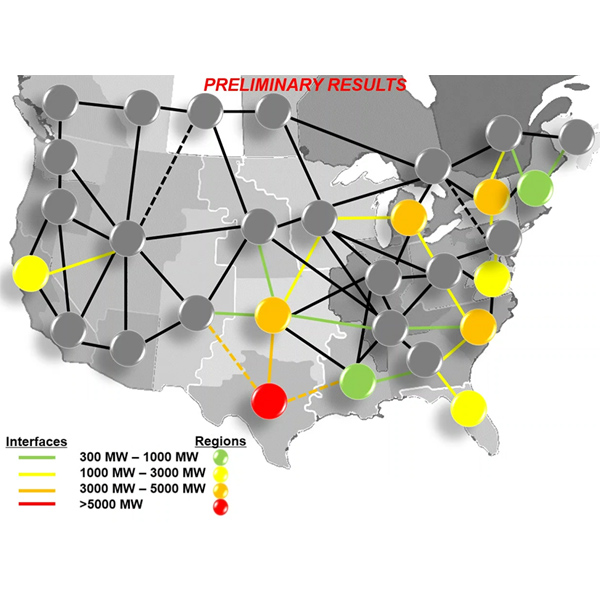
NERC
The United Kingdom has found success with a cap-and-floor model for transmission where interconnectors to other countries are guaranteed minimum revenues, but return earnings over the cap to customers.

Shutterstock
Debates about affordability continue to dominate state-level energy policy debates throughout New England, shifting the focus away from decarbonization, a panel of experienced lobbyists said.

City of Seattle
Seattle City Light presented its proposal for the Bonneville Power Administration’s overhaul of the transmission planning process, saying the agency should offer interim conditional firm service to most developers in the 61-GW transmission service queue.
PJM
Despite the Trump administration and all 13 PJM governors proposing a host of new initiatives, the RTO falling short of its reliability requirement does not constitute a crisis, writes columnist Steve Huntoon.
PJM
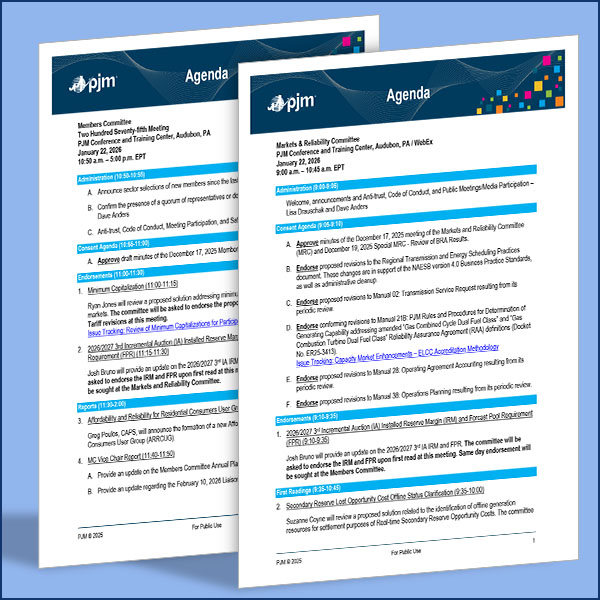
A summary of the agenda items scheduled to be brought to a vote at the PJM Markets and Reliability Committee and Members Committee meetings.
Want more? Advanced Search
