Resources
Demand ResponseDistributed Energy Resources (DER)Energy EfficiencyEnergy StorageBattery Electric StorageOther Electric StorageGenerationCoalGeothermalHydrogenHydropowerNatural GasNuclear PowerOffshore WindOnshore WindOperating ReservesRooftop/distributed SolarUtility-scale SolarResource Adequacy
Acadia Center
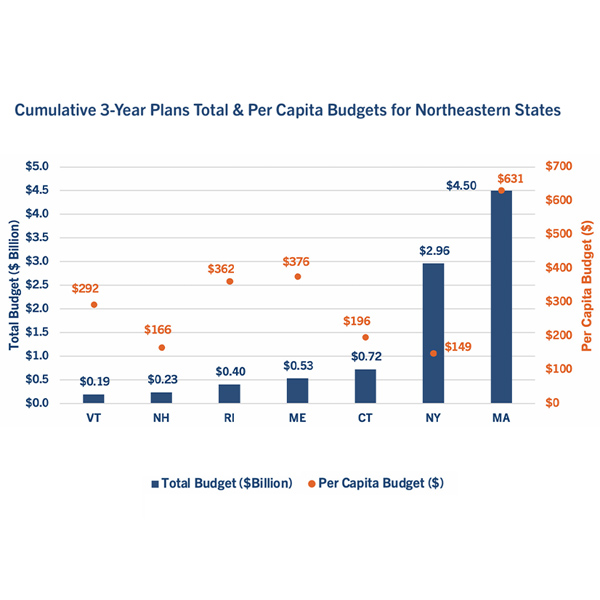
Projected energy efficiency investments in New England over the next three years will generate an estimated $19.3 billion in lifetime benefits, returning $2.93 for every dollar spent, according to new analysis by the Acadia Center.
MidAmerican Energy
MISO wants to increase the number of generation projects it may study under its interconnection queue express lane from 10 to 15 per quarter.

Shutterstock
Rising demand and power bills are giving an extra push to expand demand-side management programs, but experts said the industry needs to do more to educate consumers to take advantage of the resources.

© RTO Insider
FERC approved Tri-State Generation and Transmission’s request to update a program designed to allow its member utilities more flexibility in how they procure power.

© RTO Insider LLC
The Ontario government’s efforts to align IESO and the Ontario Energy Board to make the province an energy “superpower” was the dominant theme at the 2025 Ontario Energy Conference.

© RTO Insider
FERC Commissioners Judy Chang and Lindsay See endorsed a letter by Chair David Rosner on the sharing of best practices around load forecasting in light of growing demand driven by data centers.

© RTO Insider
The Ontario Energy Board's new CEO insisted it will retain its independence in adjudications even as it embraces the province’s directive to consider economic development in its policymaking.

© RTO Insider LLC
IESO is adopting more “proactive” planning processes in response to a projected load increase of 75%.

© RTO Insider LLC
Texas nuclear industry experts are lauding Gov. Greg Abbott’s recent appointment of a leader for the Texas Advanced Nuclear Office, which will be responsible for funding mechanisms and regulatory support for nuclear power.

© RTO Insider
The Ontario government’s ambitious energy plan could prove costly to ratepayers if load growth stalls or new nuclear plants produce cost overruns, said A.J. Goulding, president of London Economics International.
Want more? Advanced Search