Resources
Demand ResponseDistributed Energy Resources (DER)Energy EfficiencyEnergy StorageBattery Electric StorageOther Electric StorageGenerationCoalGeothermalHydrogenHydropowerNatural GasNuclear PowerOffshore WindOnshore WindOperating ReservesRooftop/distributed SolarUtility-scale SolarResource Adequacy
Nebraska Public Power District
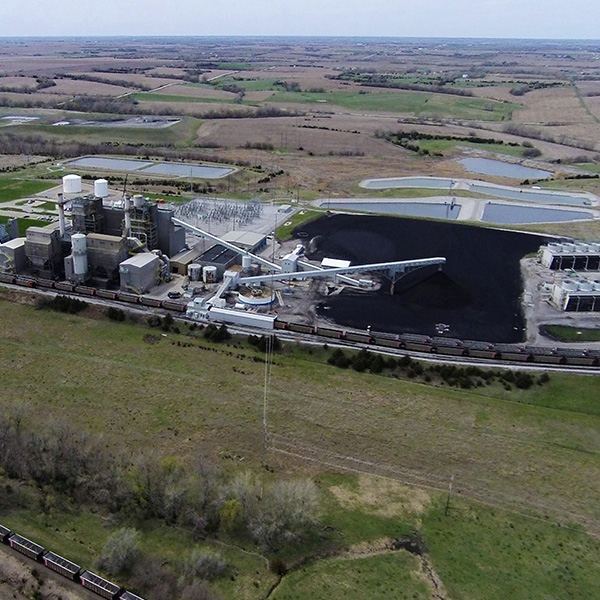
Three cabinet-level agencies announced coordinated policies that are meant to improve coal's position in the energy system by improving power plants, cutting environmental regulations and increasing mining of the fuel.

© RTO Insider
New York, frenetic at the best of times, bordered on frantic when Climate Week coincided with the U.N. General Assembly meeting, writes Dej Knuckey.

© RTO Insider LLC
William & Mary Law School announced it has appointed former FERC Chair Mark Christie as the 2025 Lowance Fellow, a visiting professor of the practice of law and the founding director of the school’s new Center for Energy Law & Policy.
NYISO
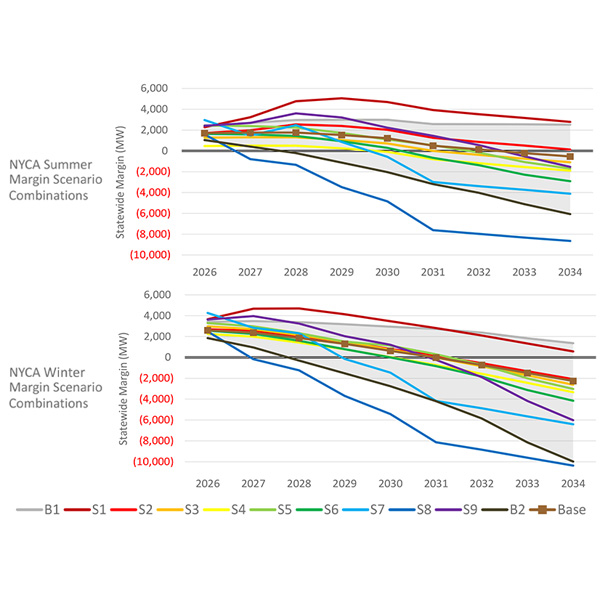
NYISO’s draft 2025-2034 Comprehensive Reliability Plan shows a wide range of possible scenarios for resource adequacy in New York, with the most negative outlook showing a deficit of up to 10 GW by 2034.
ERCOT
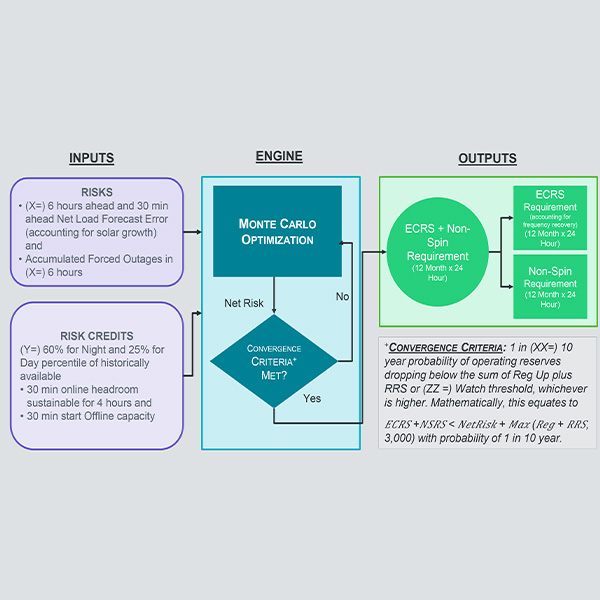
ERCOT’s Board of Directors approved staff’s recommended methodologies for acquiring minimum ancillary service requirements in 2026, despite concerns over conservative operations and target procurement levels.

Shutterstock
Climate and consumer advocates called on Massachusetts lawmakers to preserve the state’s energy efficiency programs as legislators work to develop an energy affordability bill in response to high gas and electricity costs over the past winter.
Consumers Energy
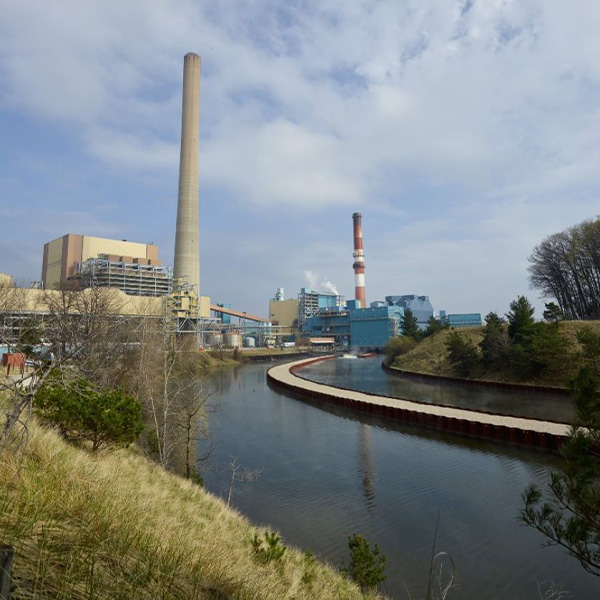
U.S. Energy Secretary Chris Wright said his department is working with utilities around the country to keep more coal plants slated for retirement open to help meet rising demand from data centers and other new large loads.

CAISO
A wide variety of stakeholders — including representatives of the DER sector — will serve as advisers to the Pathways Initiative as it enters its next phases.

JobsOhio
Centrus Energy has begun preparing for the massive expansion of its Ohio uranium enrichment plant it will undertake if it receives federal funding.

CAISO
CAISO’s Market Monitor cautioned that a new resource adequacy proposal could lead to strategic gaming in the ISO’s market when capacity supplies are tight on the grid.
Want more? Advanced Search