
Resources
Demand ResponseDistributed Energy Resources (DER)Energy EfficiencyEnergy StorageBattery Electric StorageOther Electric StorageGenerationCoalGeothermalHydrogenHydropowerNatural GasNuclear PowerOffshore WindOnshore WindOperating ReservesRooftop/distributed SolarUtility-scale SolarResource Adequacy
© RTO Insider
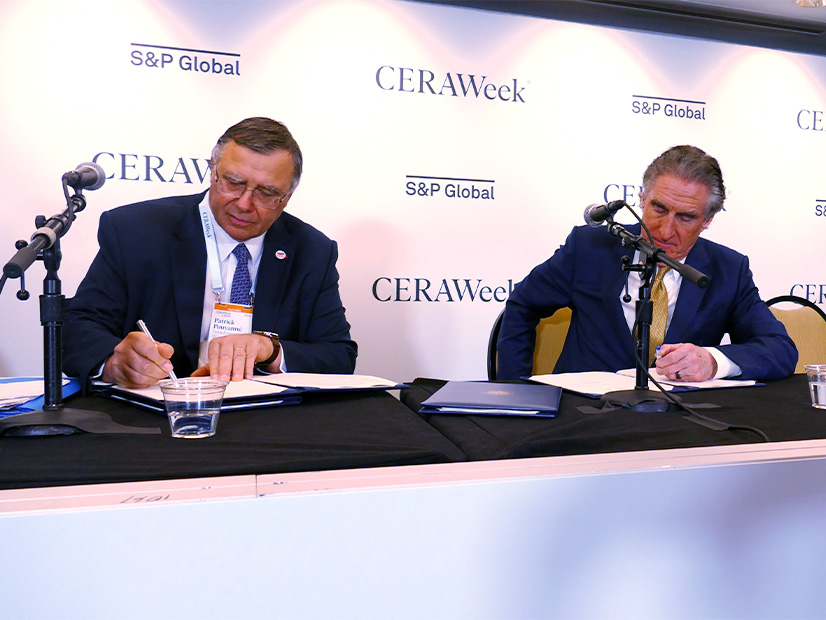
The Department of the Interior announced an agreement with TotalEnergies for the company to give up offshore wind leases.
NYISO
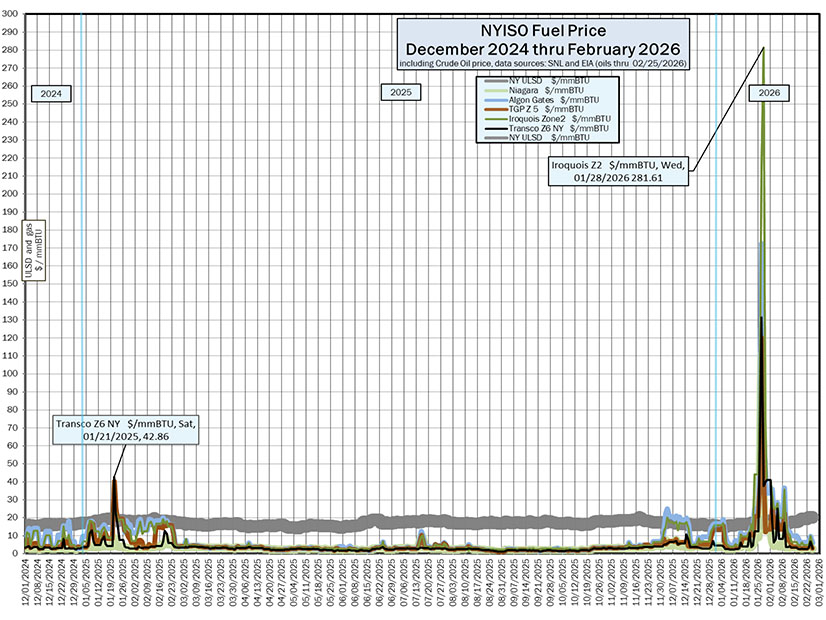
NYISO presented a breakdown of systemwide issues in response to multiple calls from stakeholders for more granular information about conditions during the January winter storm.
We Energies
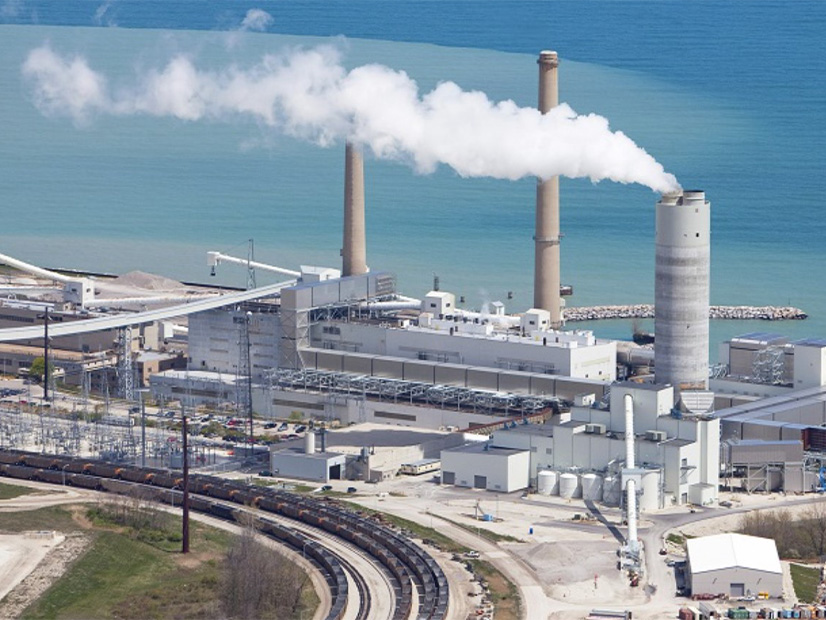
FERC conditionally approved SPP’s tariff revision to implement a system support resource program to ensure the transmission system’s reliability when a generating resource seeks to retire.
NIPSCO
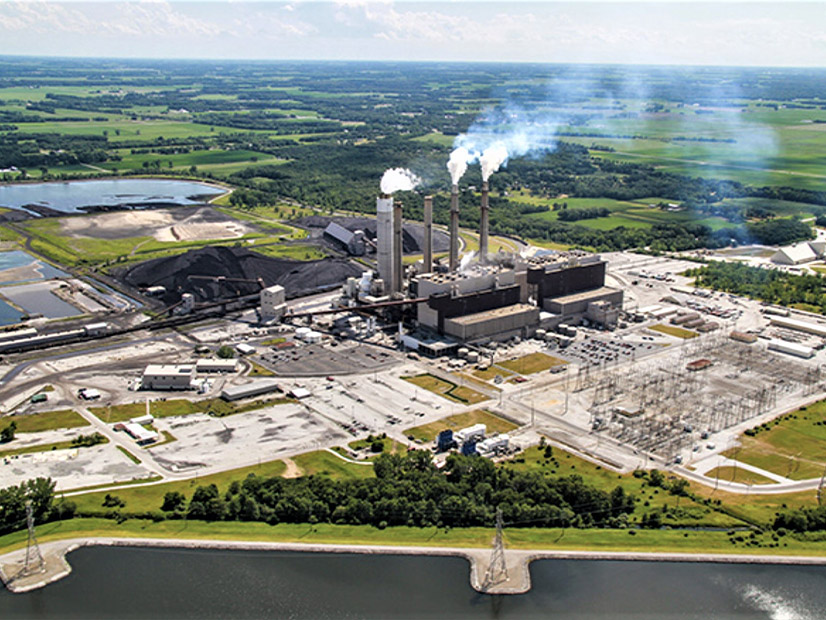
FERC granted a MISO Midwest-wide cost allocation for Northern Indiana Public Service Co.’s and CenterPoint Energy’s coal plants kept online by order of the U.S. Department of Energy.
GE Vernova
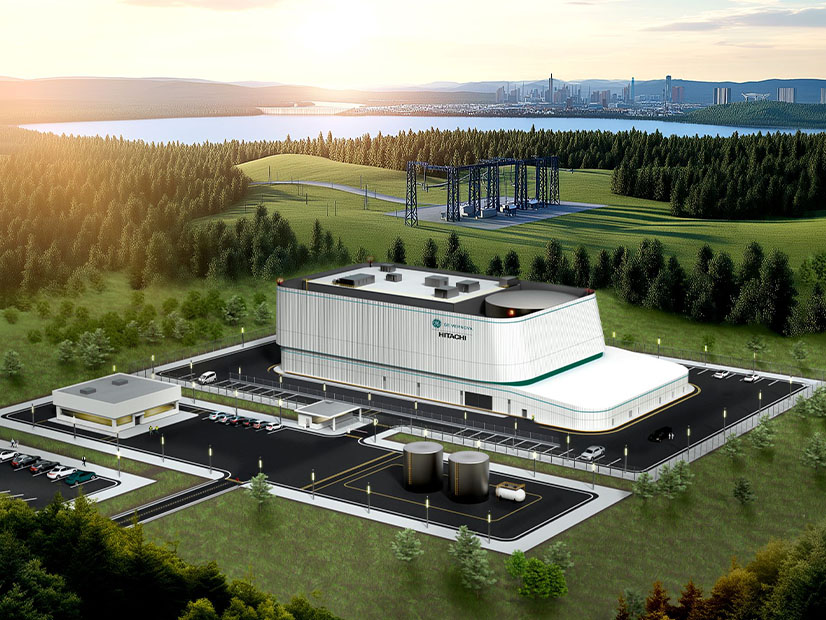
A new report by a nuclear advocacy organization lays out some of the obstacles facing the imagined U.S. nuclear renaissance and suggests ways to address them.
AEP
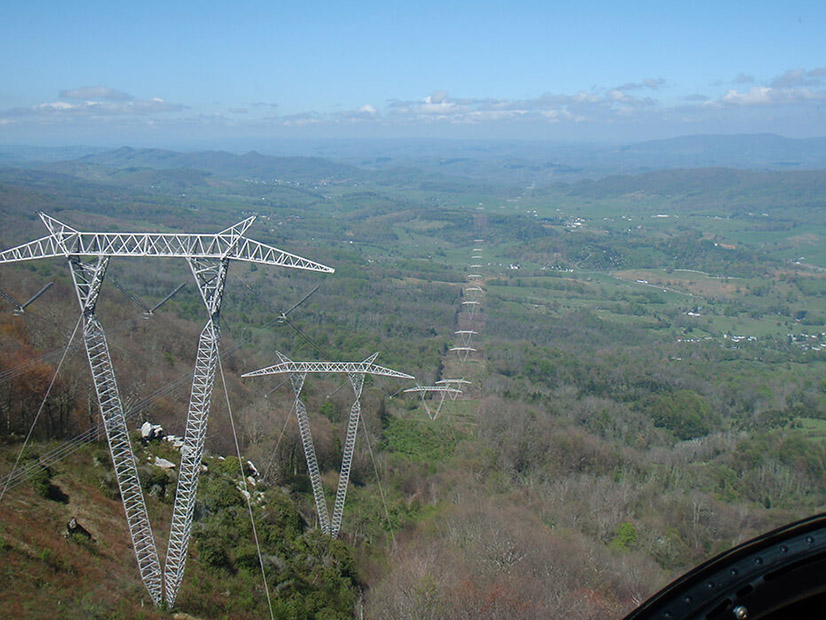
The Trump administration announced billions of dollars in investments from a deal it struck with Japan, which will help build natural gas plants to serve hyperscale data centers, including at a defunct uranium production site owned by DOE in Ohio.
Portland General Electric
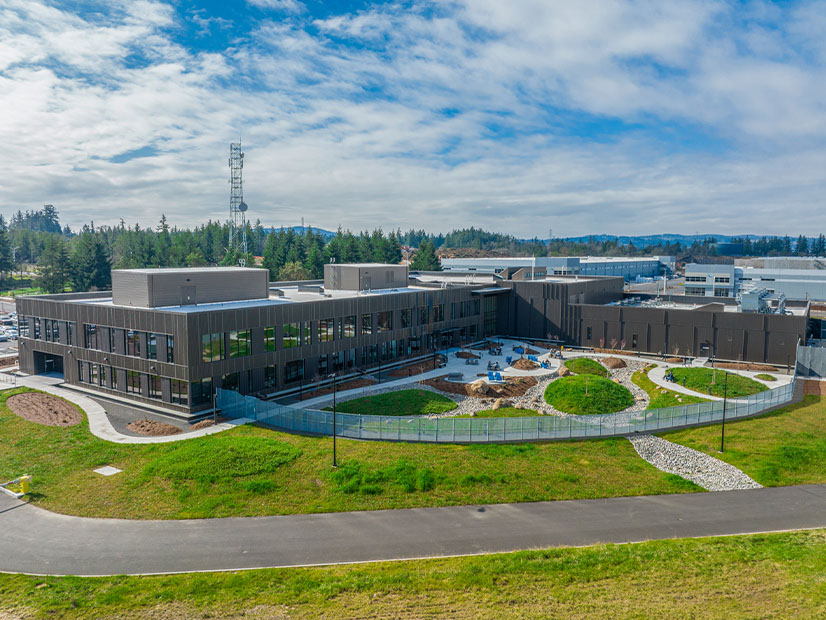
One of the first items the yet-to-be-seated board of the Regional Organization for Western Energy could decide on is whether to administer a resource adequacy program, as backers seek to have a proposal in place later in 2026.
Shutterstock
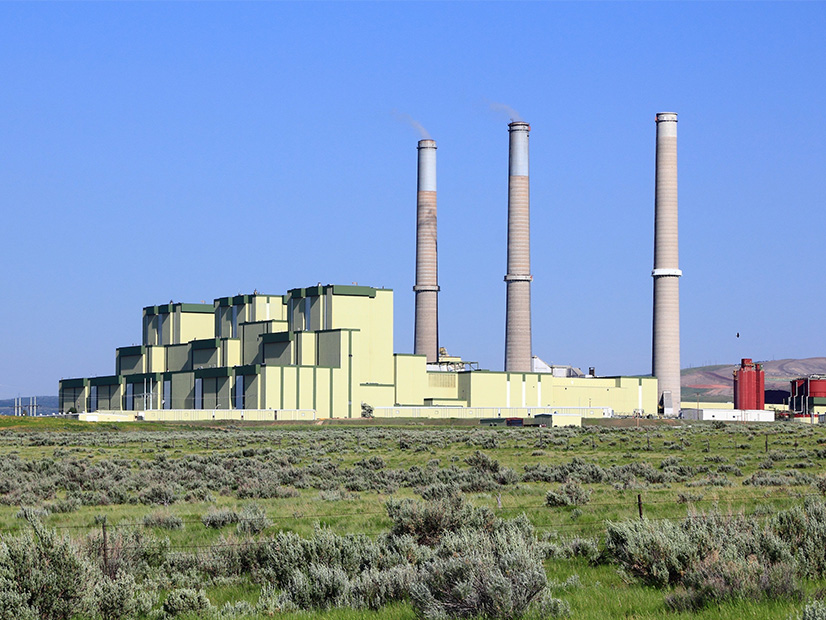
Challenges are piling up to Trump administration orders to keep retiring coal plants online, as the Colorado attorney general and environmental groups have filed petitions to overturn an extension of Craig Station Unit 1.
Astoria Generating Company
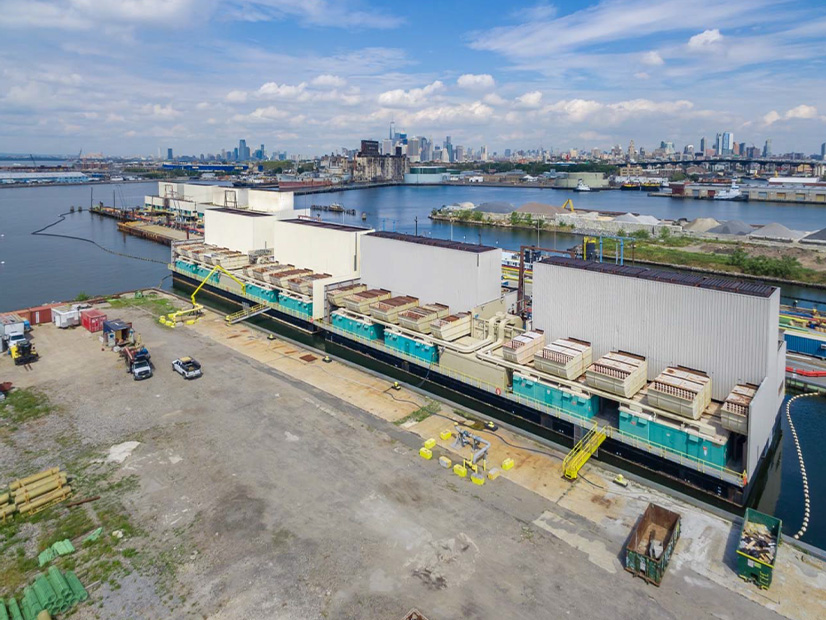
Alpha Generation, owner and operator of the Gowanus and Narrows floating power plants in New York City, has proposed replacing the six peaking units with three lower-emitting ones in response to Consolidated Edison’s solicitation for solutions to the city’s reliability need.
National Laboratory of the Rockies
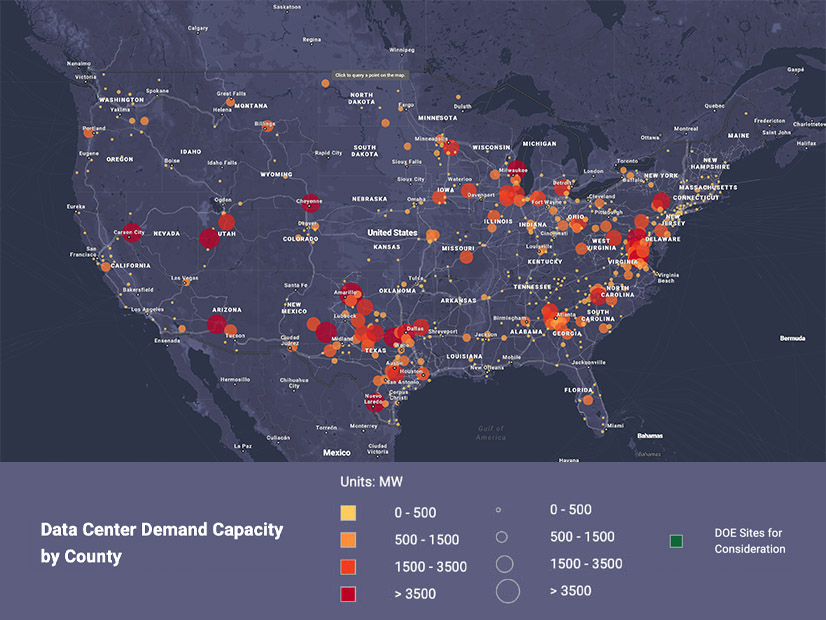
A new study quantifies some of the benefits that could come from more fully using the existing capacity of the grid before expanding the grid to meet demand growth from data centers and other large loads.
Want more? Advanced Search
