Resources
Demand ResponseDistributed Energy Resources (DER)Energy EfficiencyEnergy StorageBattery Electric StorageOther Electric StorageGenerationCoalGeothermalHydrogenHydropowerNatural GasNuclear PowerOffshore WindOnshore WindOperating ReservesRooftop/distributed SolarUtility-scale SolarResource Adequacy
The White House
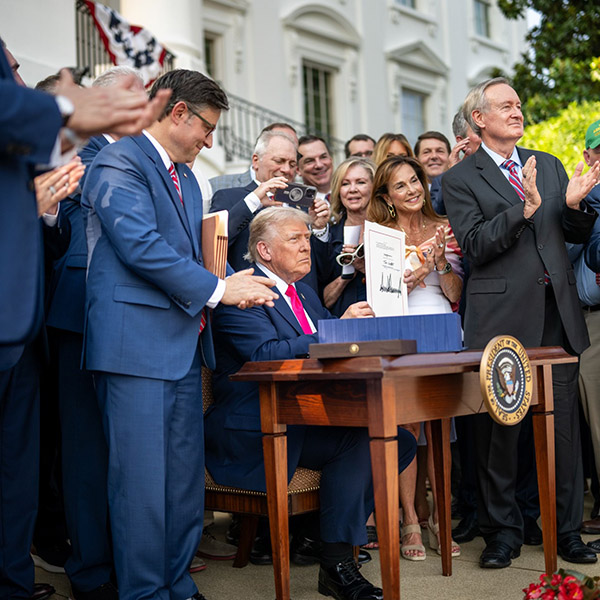
Former FERC Chair Neil Chatterjee and former Texas Land Commissioner George P. Bush offered their thoughts on the impact of OBBBA on the energy sector during a webinar.
IESO
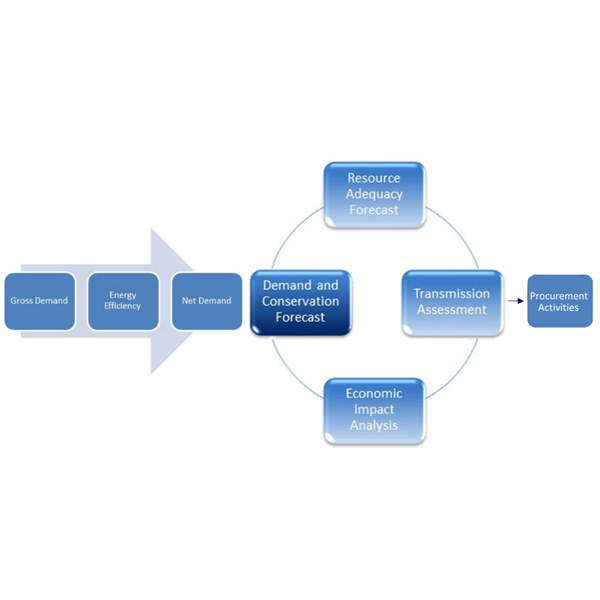
IESO will expand its industrial demand-side management program, increasing funding and allowing both larger and smaller participants than currently permitted.
Newkirk Electric Associates
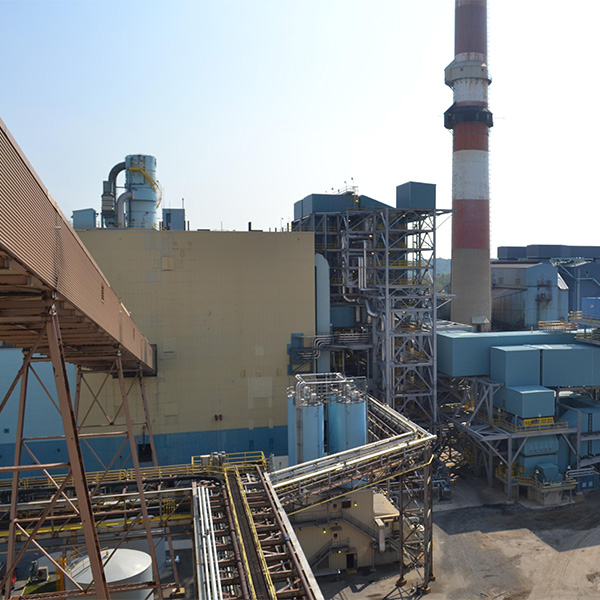
The U.S. Department of Energy has ordered the J.H. Campbell Generating Plant to remain available another 90 days, saying its capacity is needed to maintain MISO grid reliability.
Google
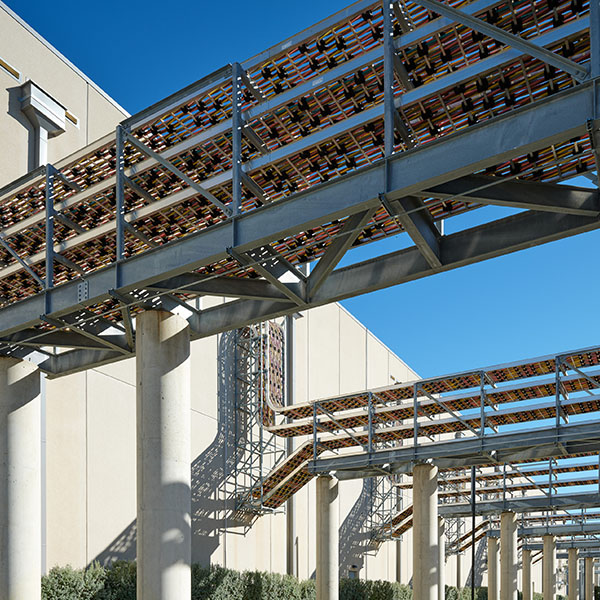
A group of industry insiders looking at ways to meet data centers’ electricity demand found a common thread within their varied opinions: The power sector and its regulators need to be a lot nimbler.
SPP
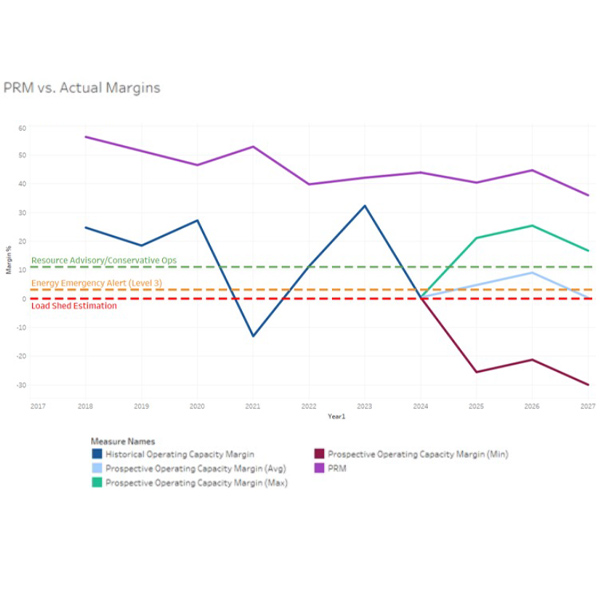
FERC has approved SPP’s tariff revision that establishes separate planning reserve margins for the summer and winter seasons, saying it will provide “more granularity” by recognizing the reliability differences between the two seasons.
Brattle Group
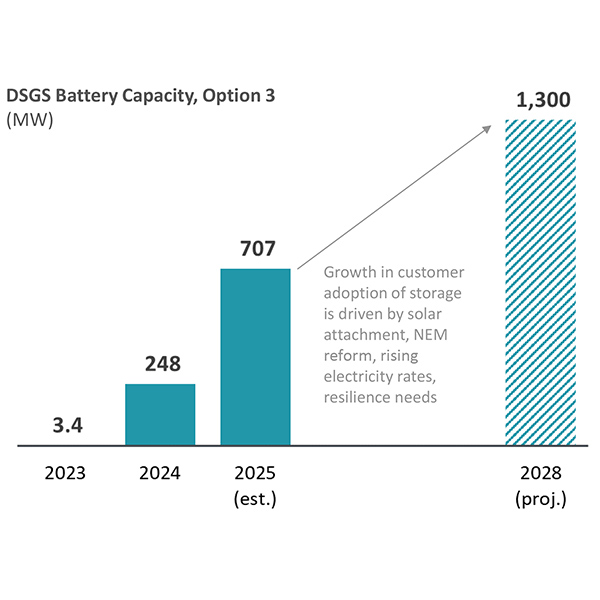
Clean energy advocates are urging California lawmakers to restore funding to a fast-growing distributed energy program that has shown its ability to support the grid during a test run.
Holtec International
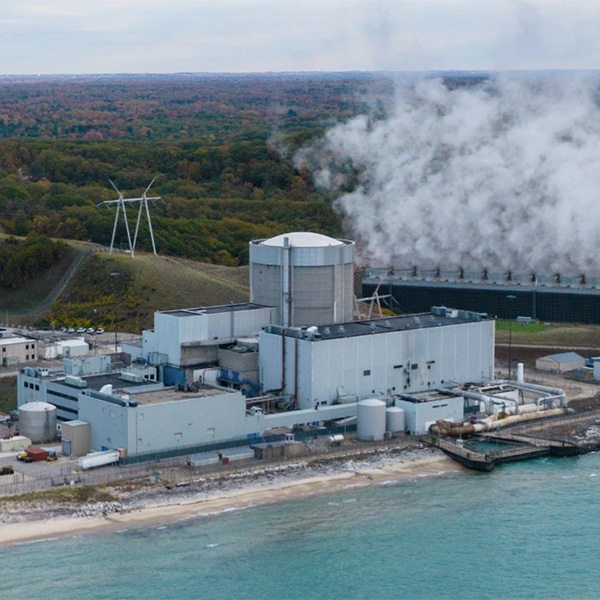
The company that plans to restart the Palisades nuclear facility in Michigan is pushing to build four 300-MW small modular reactors on the site of the decommissioned Oyster Creek Generating Station in New Jersey.
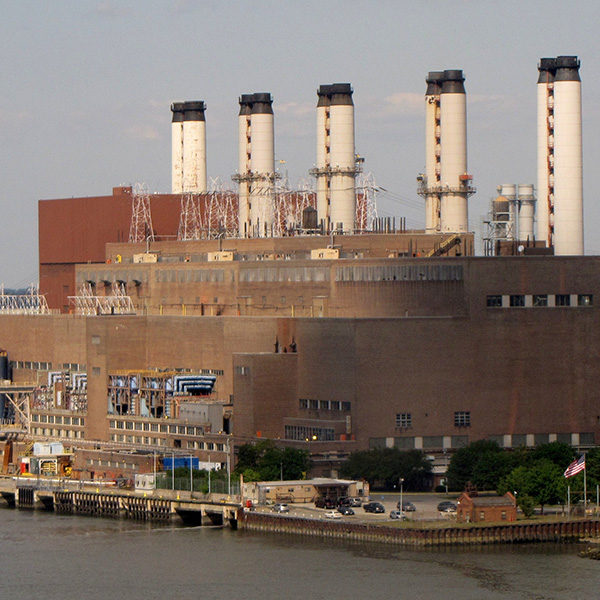
Ben Schumin, CC BY-SA-2.0, via Wikimedia
NYISO has proposed to stop using “winter to summer” and “summer to winter” ratios to determine maximum clearing and reference point prices in its seasonal demand curves.
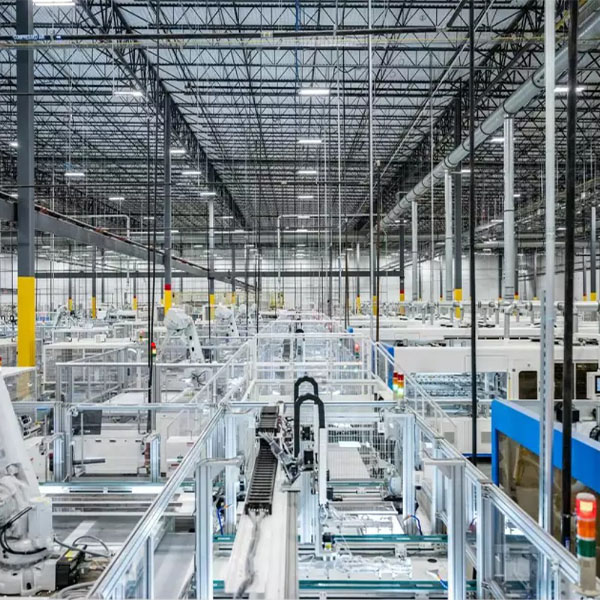
T1 Energy
Russell Gold, a two-time Pulitzer Prize finalist and author of two books, has joined T1 Energy in its quest to build an integrated domestic supply chain for the solar and battery sector.
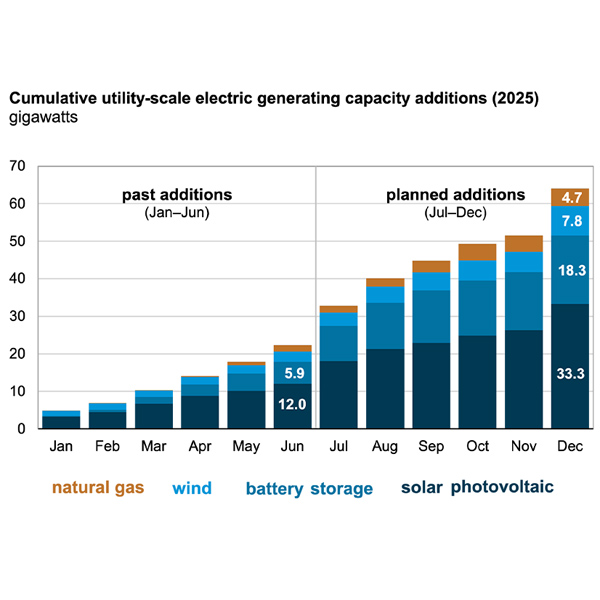
EIA
The United States is on track for a record increase in power generation capacity in 2025, the U.S. Energy Information Administration reports.
Want more? Advanced Search