Resources
Demand ResponseDistributed Energy Resources (DER)Energy EfficiencyEnergy StorageBattery Electric StorageOther Electric StorageGenerationCoalGeothermalHydrogenHydropowerNatural GasNuclear PowerOffshore WindOnshore WindOperating ReservesRooftop/distributed SolarUtility-scale SolarResource Adequacy

BPA
BPA finalized the set of policies and records of decision underlying its long-term power sales contracts and has also taken additional steps to align with President Donald Trump’s priorities, CEO John Hairston said during the agency’s quarterly business review.
Grid Strategies
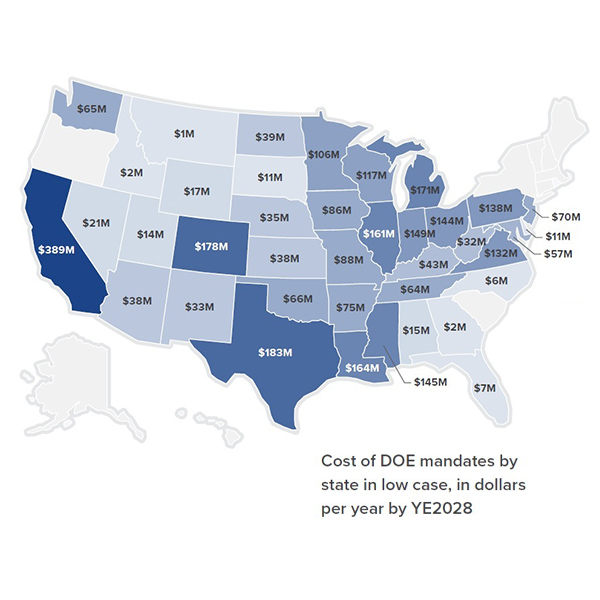
A Grid Strategies report concludes that if the Department of Energy continues to supersede retirement decisions for fossil-fueled power plants, it could cost consumers an extra $3 billion annually in a little more than three years.
Aurora Energy Research
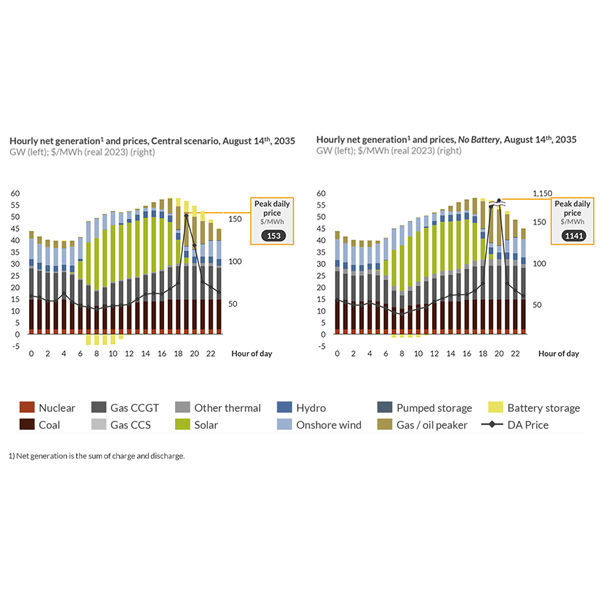
A new report urges SPP to accelerate its interconnection process and reform market rules to allow greater buildout of energy storage.
PJM
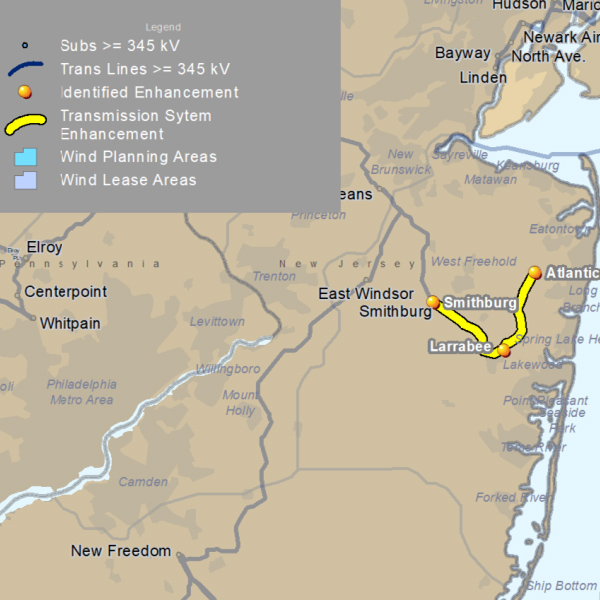
The work was designed to help connect the New Jersey offshore wind projects to the grid.
Bechtel
MISO members largely agreed that MISO’s new capacity auction structure — featuring individual seasonal auctions and a sloped demand curve — is better for the health of the system.
Nexamp
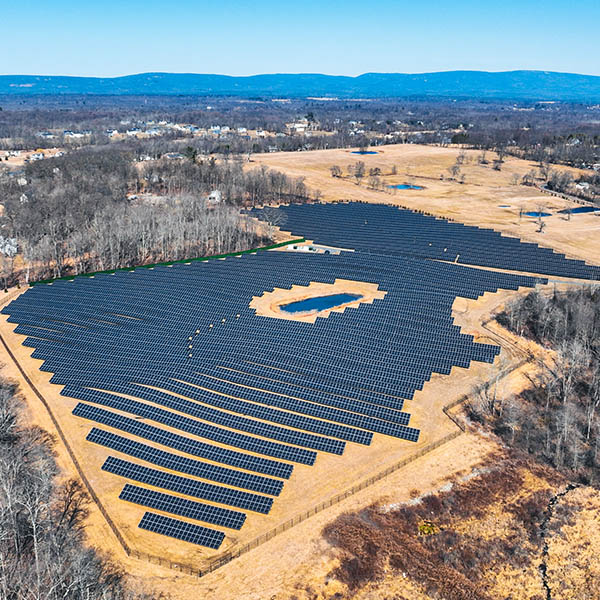
Community solar developer Nexamp filed a complaint against National Grid with the New York Public Service Commission accusing the utility of unfair price increases and violating state interconnection process agreements.

Aalo
The U.S. Department of Energy has chosen 11 advanced nuclear projects as the first tranche of its Nuclear Reactor Pilot Program.

CAISO
California energy officials are recognizing the need to work together to prioritize a long list of transmission and distribution interconnection projects as the state’s load growth accelerates due to expected data center development.

© RTO Insider
PJM presented a first read on a proposal to cap resources committed ahead of the day-ahead market at their cost-based offer, and the committee endorsed an expansion of an offer capping issue charge.
EPRI and Epoch AI
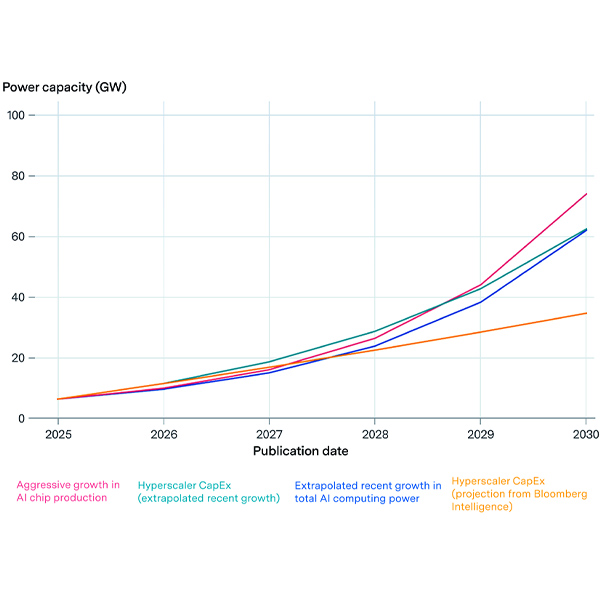
A new report by EPRI and Epoch AI estimates U.S. power demand by artificial intelligence could jump from 5 GW today to more than 50 GW by 2030.
Want more? Advanced Search