Resources
Demand ResponseDistributed Energy Resources (DER)Energy EfficiencyEnergy StorageBattery Electric StorageOther Electric StorageGenerationCoalGeothermalHydrogenHydropowerNatural GasNuclear PowerOffshore WindOnshore WindOperating ReservesRooftop/distributed SolarUtility-scale SolarResource Adequacy
Hydro-Québec
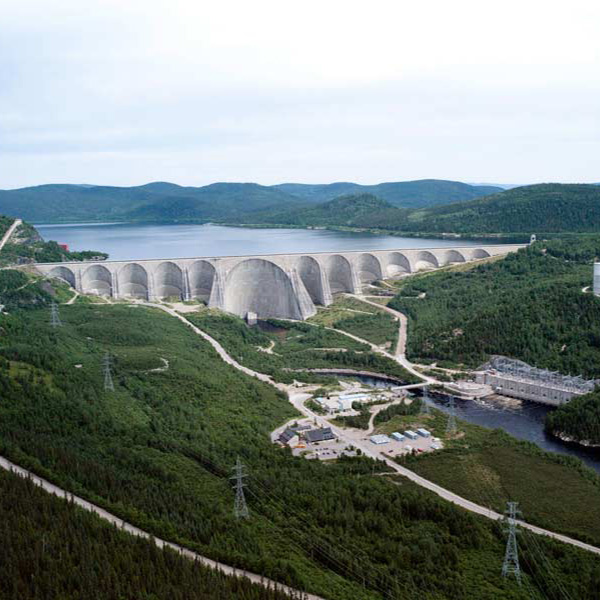
The impending addition of new export commitments could pose a challenge for Hydro-Québec over the next few years if drought conditions persist.

Sage
Until now, a carbon-free, load-following electric supply resource has been elusive, but that all may be about to change as a result of a resource that sits literally right below our feet, says columnist Peter Kelly-Detwiler.

© RTO Insider LLC
Although one of the aims of day-ahead markets in the West is to fix a fragmented transmission landscape, some islanded entities will have a tough time navigating seams issues likely to arise as markets take shape, analysts at Aurora Energy Research said during a webinar.

CEC
California’s first offshore wind project got a boost when FERC granted CalGrid an abandoned plant incentive for a set of OSW-related transmission projects in the Humboldt County area.

David Maiolo, CC BY-SA-3.0, via Wikimedia Commons
The U.S. Senate met through the weekend and overnight June 30 to work on Republicans’ budget reconciliation bill, passing it 51-50 with Vice President JD Vance casting the tiebreaking vote.

Shutterstock
Senators working through the weekend on Trump's “One Big Beautiful Bill” delivered renewable energy supporters an unexpected and unpleasant surprise in the form of proposed taxes that likely would stymie completion of projects already in the works.

CAISO
Local line congestion is the primary cause of renewable curtailment in California — and the amount is increasing each year, CAISO said during its second-quarter Market Performance and Planning Forum.

© RTO Insider
The 2025 Mid-America Regulatory Conference tackled themes on meaningful public engagement, nuclear options, bill affordability and DEI programs falling out of favor.

© RTO Insider
ERCOT CEO Pablo Vegas has gone public with the grid operator’s internal terminology that is shaping the market’s path forward, defining it for his Board of Directors and stakeholders.

© RTO Insider
The current state of transmission policy was examined at an Infocast conference that went into the possibility for a permitting bill and looked at the implementation of recent FERC orders.
Want more? Advanced Search