
Resources
Demand ResponseDistributed Energy Resources (DER)Energy EfficiencyEnergy StorageBattery Electric StorageOther Electric StorageGenerationCoalGeothermalHydrogenHydropowerNatural GasNuclear PowerOffshore WindOnshore WindOperating ReservesRooftop/distributed SolarUtility-scale SolarResource Adequacy
Shutterstock
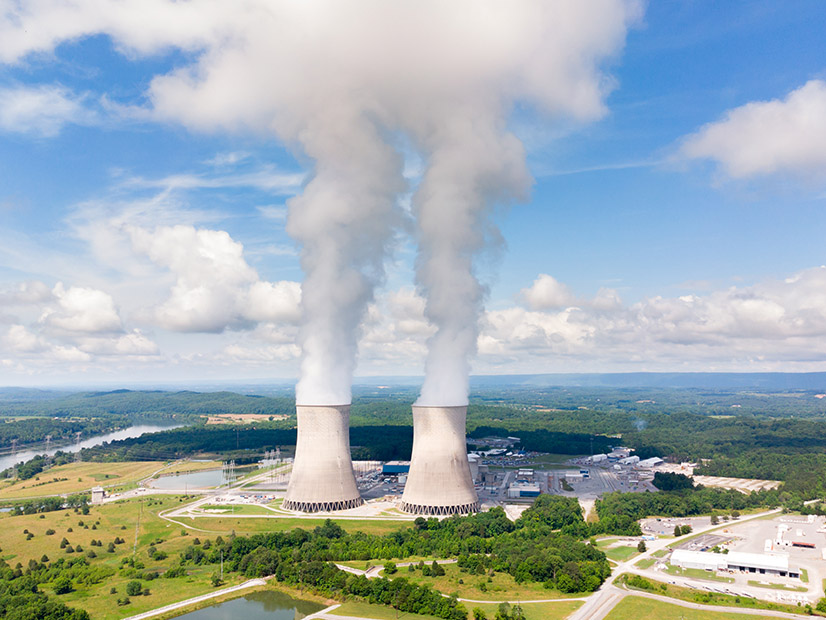
The Nuclear Regulatory Commission reports that 90 of the nation’s 95 operational commercial nuclear reactors met the highest category of performance in the 2025 oversight process.
© RTO Insider
The push to develop a resource adequacy program serving non-CAISO members of the ISO’s Extended Day-Ahead Market appears to be gathering momentum, with backers saying they aim to produce a draft design for the program in April.
NYISO
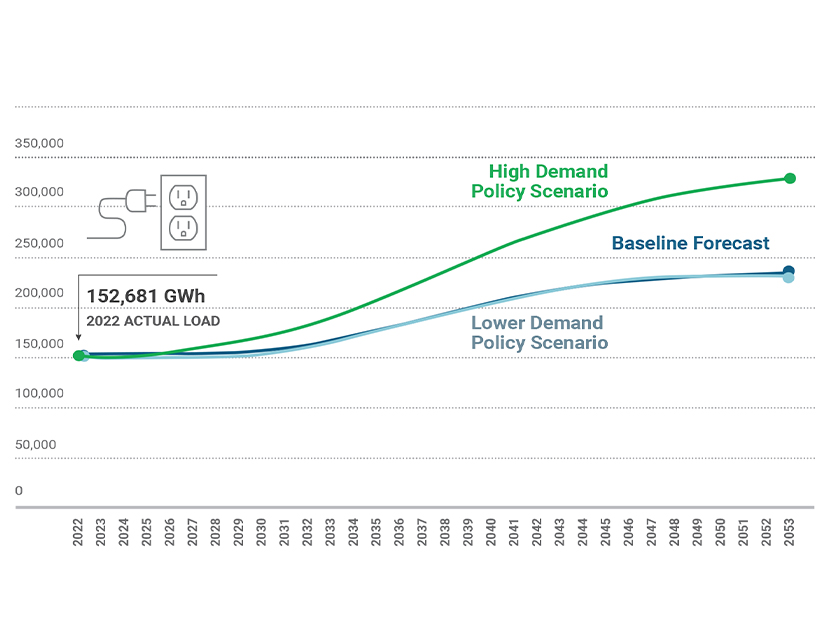
Gaming by different stakeholders can present regulators with biased forecasts, which would require special regulatory-staff expertise to uncover, warns energy consultant Kenneth W. Costello.
Shutterstock
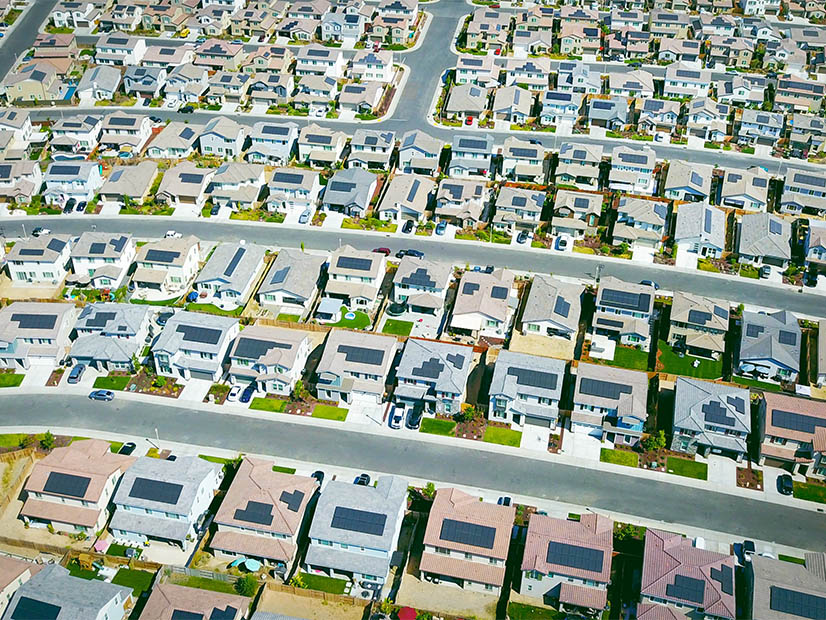
A new MIT study posits that while retail electric rates are higher in states that have renewable portfolio standards, the standards are not to blame.

Shutterstock
New York energy storage and solar trade groups are seeking an immediate end to what they say is an effective freeze on interconnection of distributed storage facilities by the state’s largest investor-owned utility.
Shutterstock
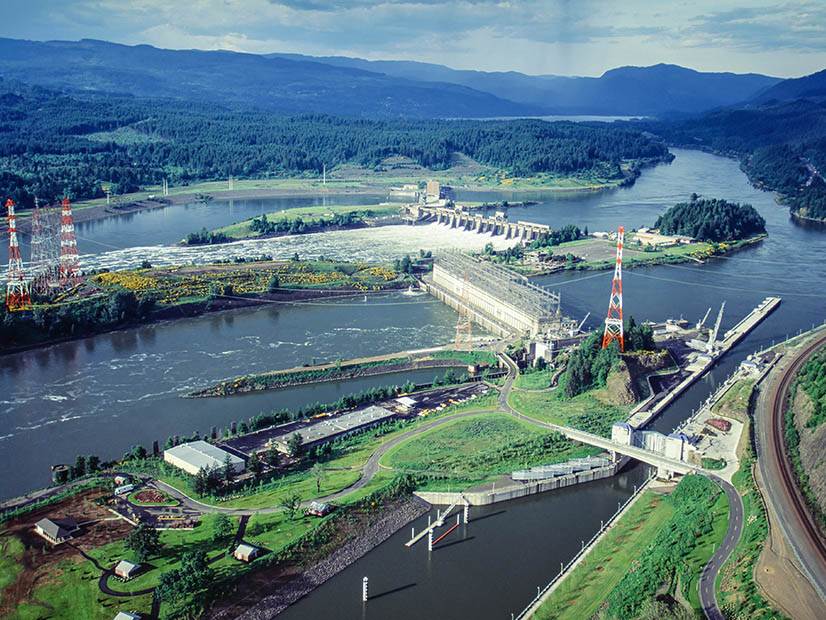
Oregon and Washington lawmakers are exploring ways to build new transmission independent of the Bonneville Power Administration.
Texas RE
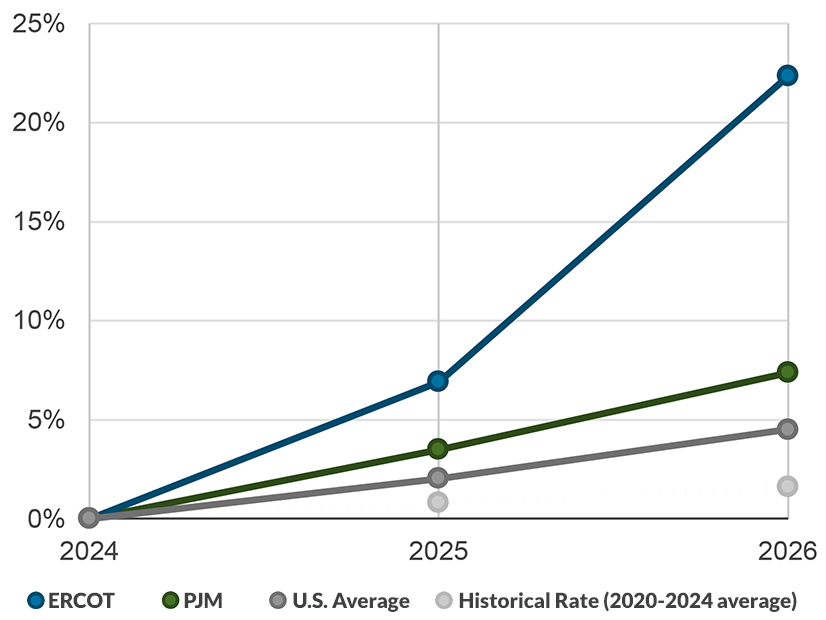
A speaker at a recent Texas RE webinar discussed the potential risks posed by the growth of artificial intelligence.
Wood Mackenzie
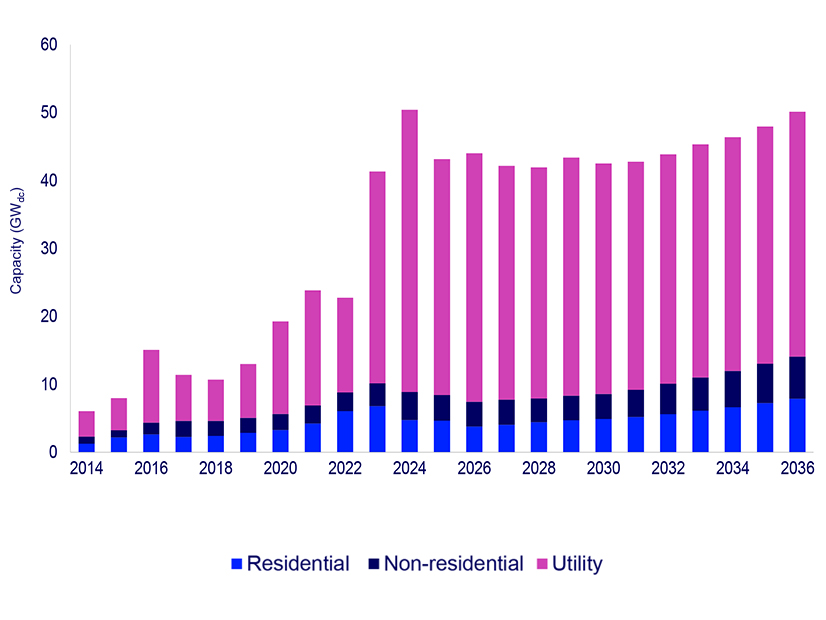
Nearly 40% fewer U.S. solar power projects reached completion in the fourth quarter than in the third quarter as developers pivoted to start new projects in time to qualify for tax credits.

Duke Energy
Duke Energy entered a pair of settlements in North and South Carolina on its proposal to combine Duke Energy Carolinas and Duke Energy Progress, which needs approval from both states’ regulators.
Venture Global LNG
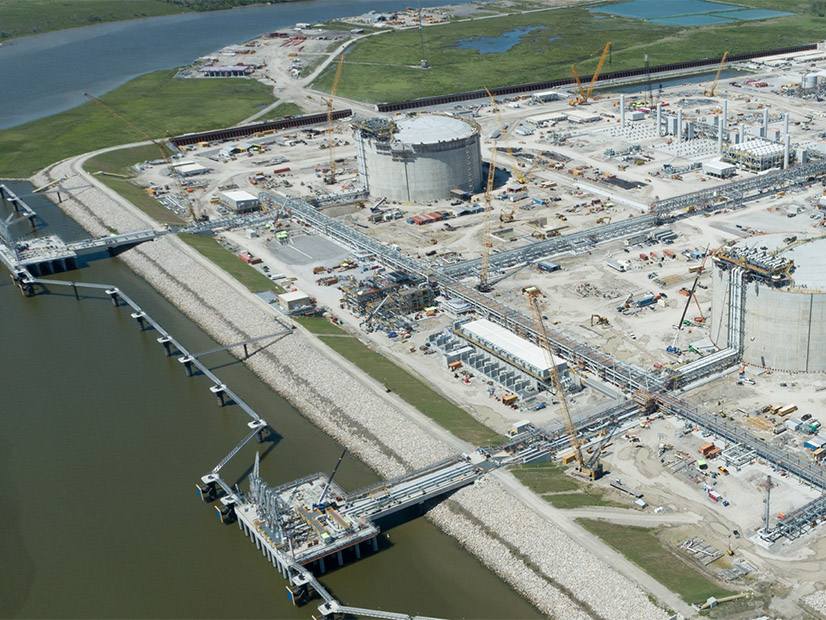
The war in Iran is not expected to lead to higher domestic natural gas prices in part because higher oil prices tied to the closure of the Strait of Hormuz mean more oil production and related gas supply from the Permian Basin, the EIA said.
Want more? Advanced Search
