Generation
CoalGeothermalHydrogenHydropowerNatural GasNuclear PowerOffshore WindOnshore WindOperating ReservesRooftop/distributed SolarUtility-scale Solar
MISO
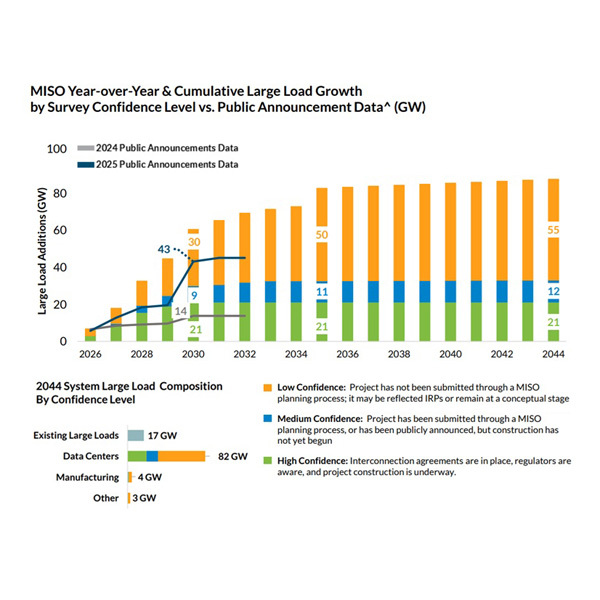
MISO’s inaugural long-term load forecasting survey among its membership uncovered the possibility of 82 GW of data center load additions by 2044.

Shutterstock
The NYISO Operating Committee discussed the challenges it faced while successfully navigating through several events in January, including a major winter storm.
Eversource Energy
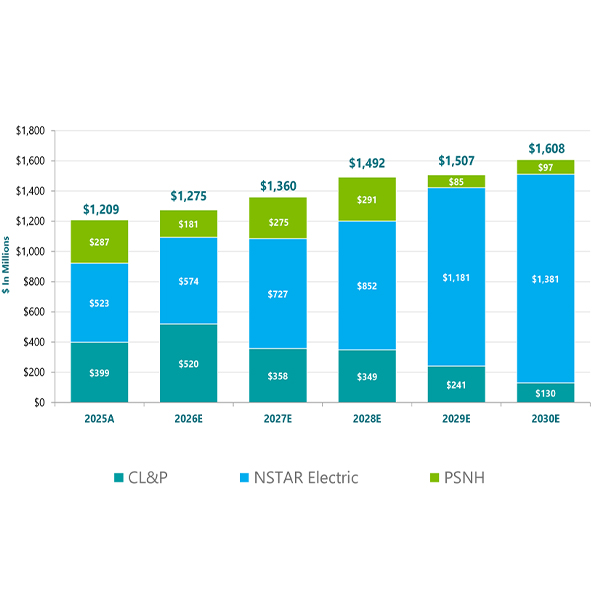
Eversource Energy increased its five-year capital investment plan by $2.3 billion, an increase largely driven by investments in its gas and electric distribution systems.
ORES
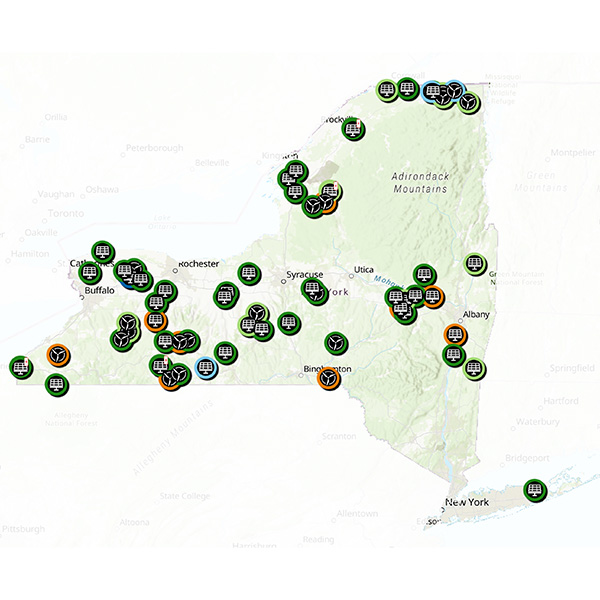
The New York Public Service Commission said the regulations it has approved will reduce permitting time for transmission projects by up to 50%.

© RTO Insider
After a remarkably bad year for the U.S. offshore wind industry, the Oceantic Network’s annual conference was focused on engineering a rebound rather than licking wounds.

© RTO Insider
NARUC’s Winter Policy Summit focused on the main issue facing the power industry — how to reliably and affordably interconnect new large load customers.
TVA
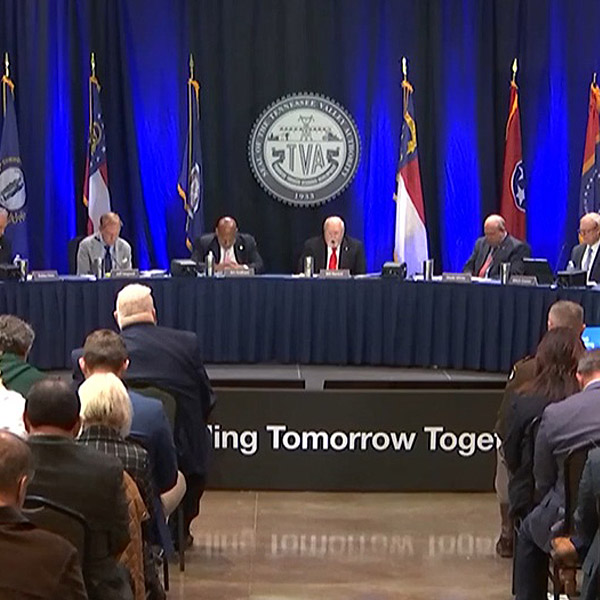
The Tennessee Valley Authority revoked its previous decision to wind down operations at two of its coal plants, citing upward demand and the Trump administration’s coal-friendly posture.
Google
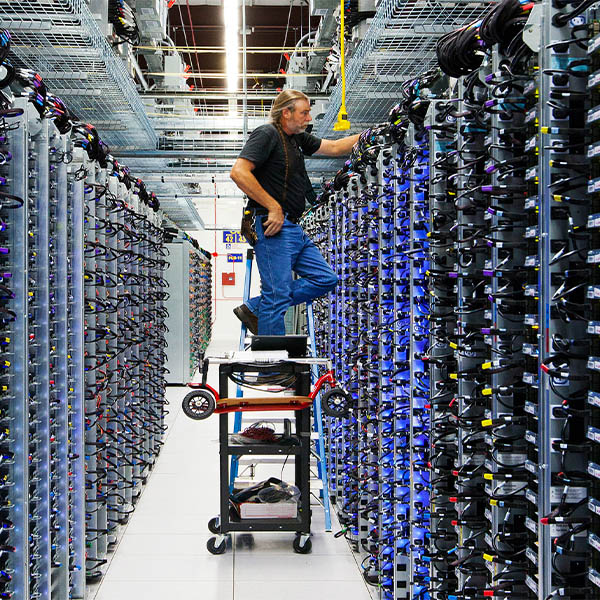
New York is trying to strike a balance between economic development, grid stability and affordability as potential new large load customers look for electricity.
© RTO Insider using Yes Energy data
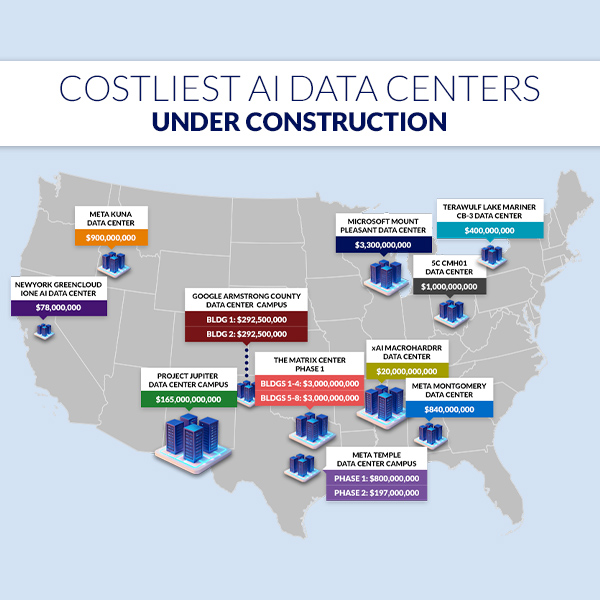
Energy industry analyst Jesse Jenkins stressed that data center developers must match their demand with new clean supply to prevent negative consequences for other consumers and the climate.
Powerex
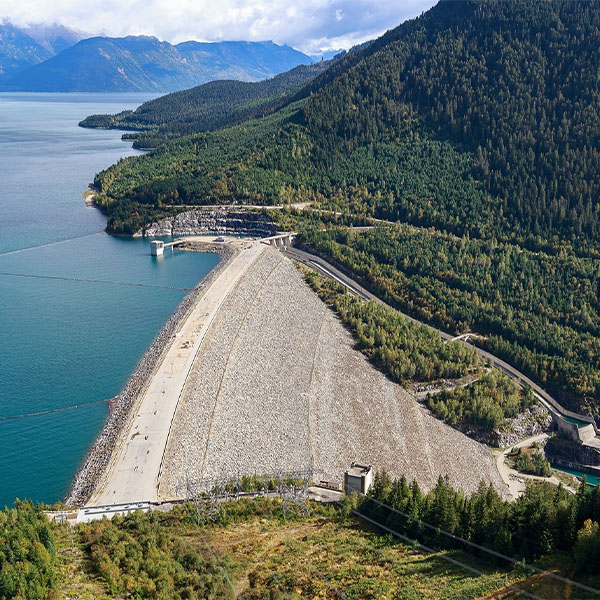
California’s reliance on a large amount of imported electricity and fossil fuels is a potential weakness in the state’s energy security portfolio, a California Energy Commission staff report finds.
Want more? Advanced Search