
Generation
CoalGeothermalHydrogenHydropowerNatural GasNuclear PowerOffshore WindOnshore WindOperating ReservesRooftop/distributed SolarUtility-scale Solar

Illustrated by Perplexity
The defining story of the coming year will be the widening chasm between electricity supply and demand, a dynamic driven by a slow-moving supply side, coupled with the explosive growth of energy-hungry data centers, says columnist Peter Kelly-Detwiler.
U.S. Army Corps of Engineers
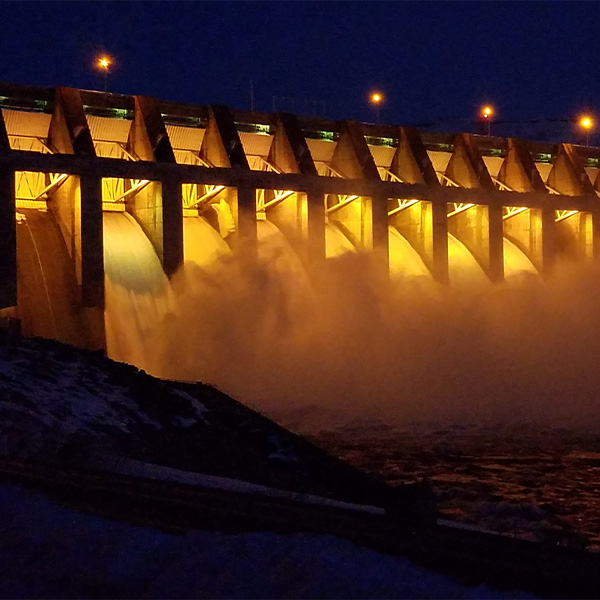
The demand for energy storage capacity is driving a flurry of proposals for new pumped storage hydropower while proposals for new conventional facilities are limited to small-scale projects.

Yes Energy
After a long decline in the U.S., coal-fired generation is enjoying strong policy support in the second Trump administration.

Georgia Power
Commercial nuclear energy in the U.S. begins 2026 with strong momentum toward future expansion, but it will be years before new-build capacity comes online and possibly a decade or more before a significant amount of new gigawatts is added to the grid.

© RTO Insider
There is growing excitement about geothermal energy in the Western United States, with billions invested in the industry, but panelists at a Western Governors’ Association workshop said supply chain issues and permitting complexity remain significant challenges.
NISource
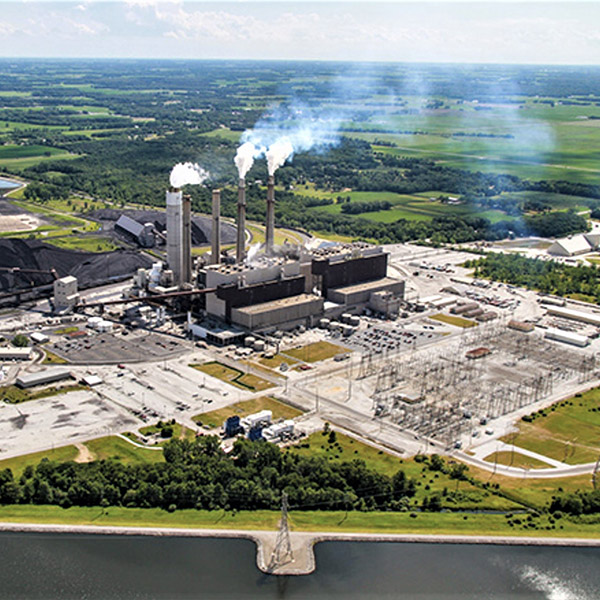
DOE issued a pair of orders under Section 202(c) of the FPA to keep two Indiana coal plants running through this winter at least, delaying their retirement that was planned for the end of 2025.
GE Vernova
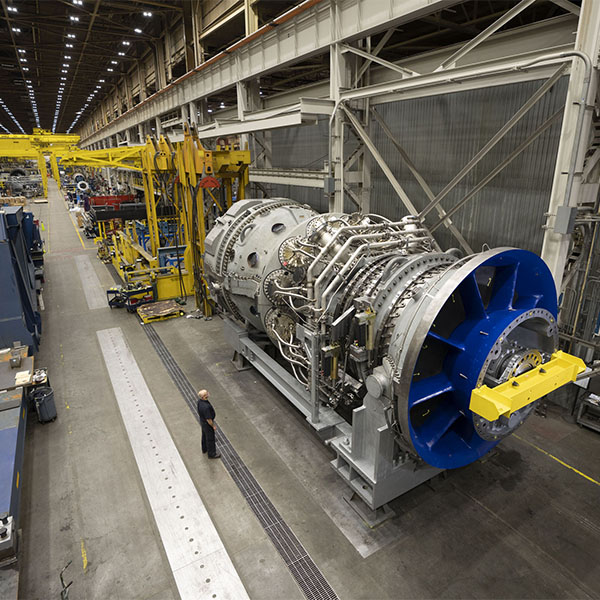
With support from the Trump administration and demand from data centers, 2025 and now 2026 are high times for the U.S. natural gas sector.
Newkirk Electric Associates
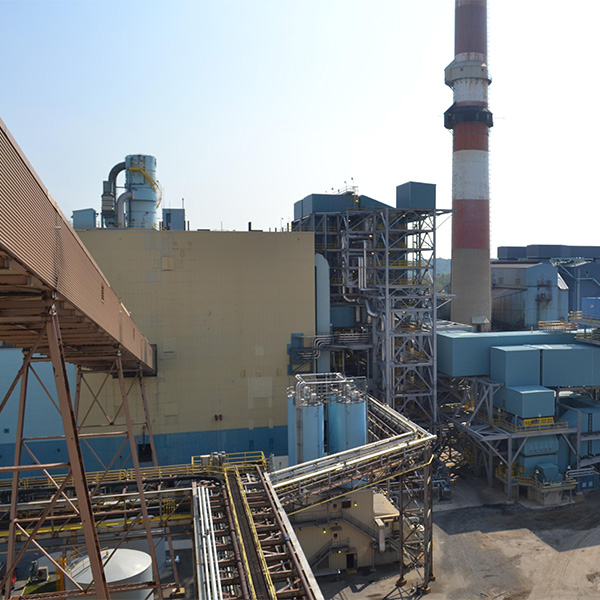
DOE is exceeding its authority by using Federal Power Act Section 202(c) to keep the J.H. Campbell coal plant in Michigan running under several consecutive “emergency” orders, opponents argued in recent court filings with the D.C. Circuit.
IESO
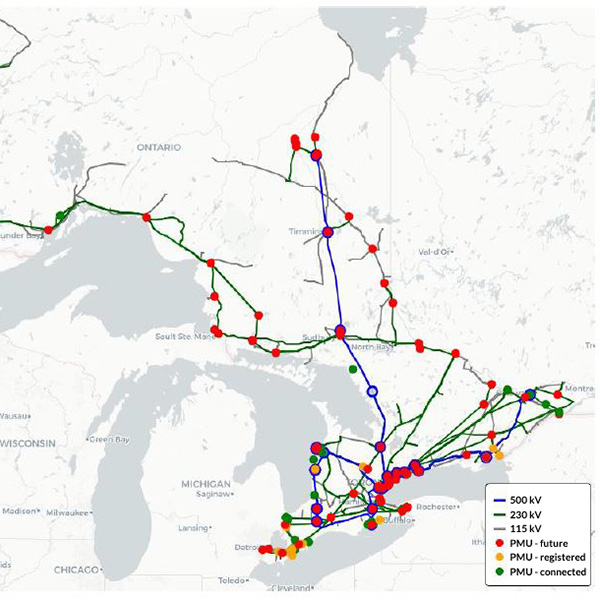
IESO released proposed market rule and manual revisions to require synchrophasor data from storage resources.
Yes Energy
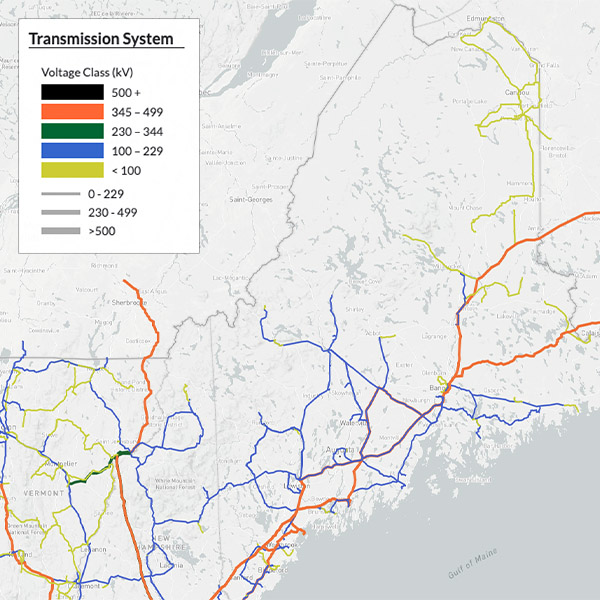
The Maine Public Utilities Commission, in collaboration with the regulators of four other New England states, issued a request for proposals to procure clean energy in northern Maine and 1,200 MW of transmission to connect it to the ISO-NE grid.
Want more? Advanced Search
