
Generation
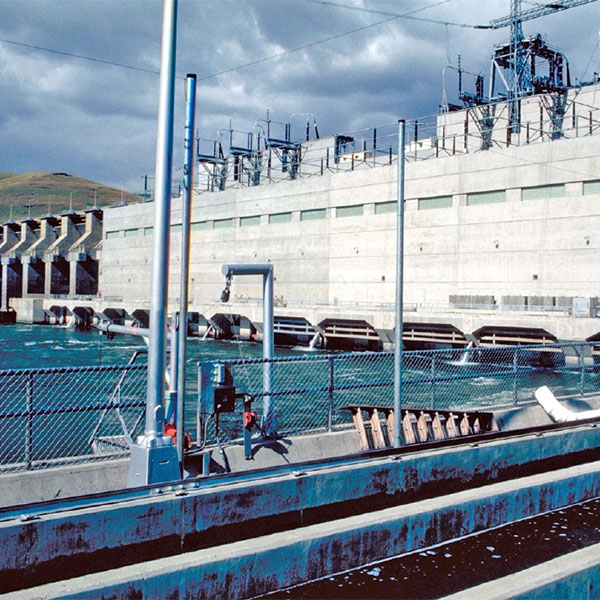
President Trump issued a memo directing the federal government to withdraw from a deal with four tribes and two states that considered the future operation of four dams on the Lower Snake River and eventually could have led to their breach.
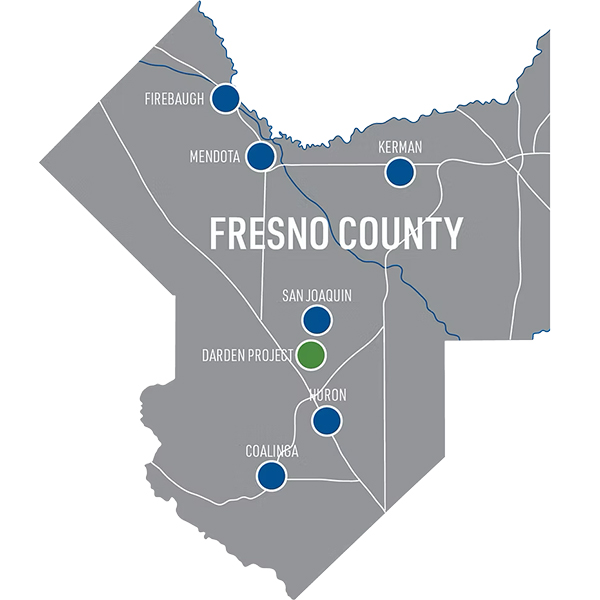
California regulators approved Intersect Power’s Darden Clean Energy Project, which is expected to be the largest battery energy storage system in the world when completed.
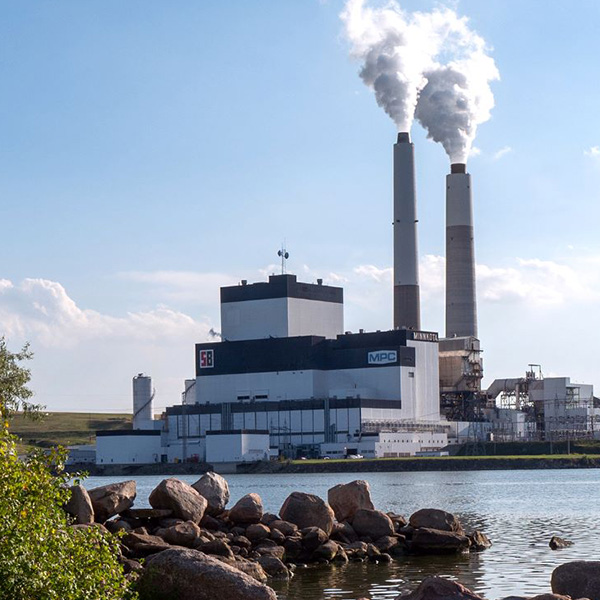
EPA proposed repealing rules passed by previous administrations that impose carbon limits on existing and new power plants and the 2024 updates to the Mercury and Air Toxics Standard.
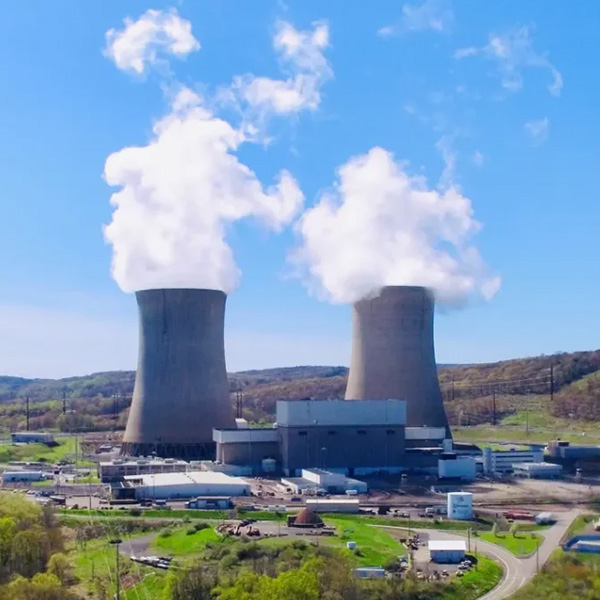
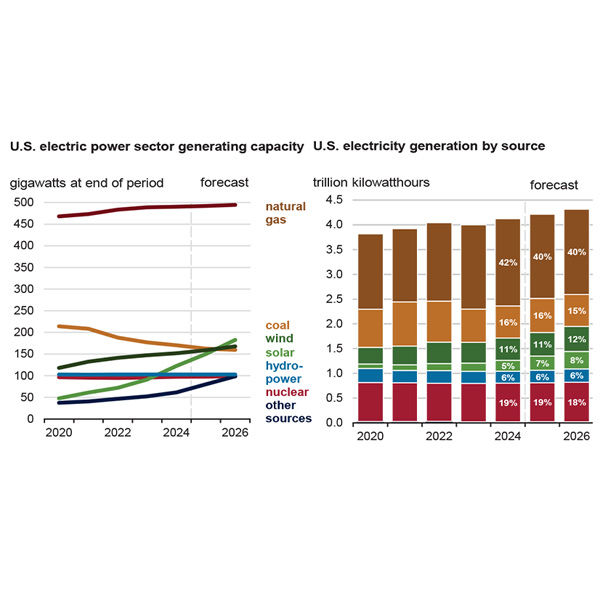
The U.S. Energy Information Administration has revised its forecast upward for retail electrical sales — especially in ERCOT and PJM.
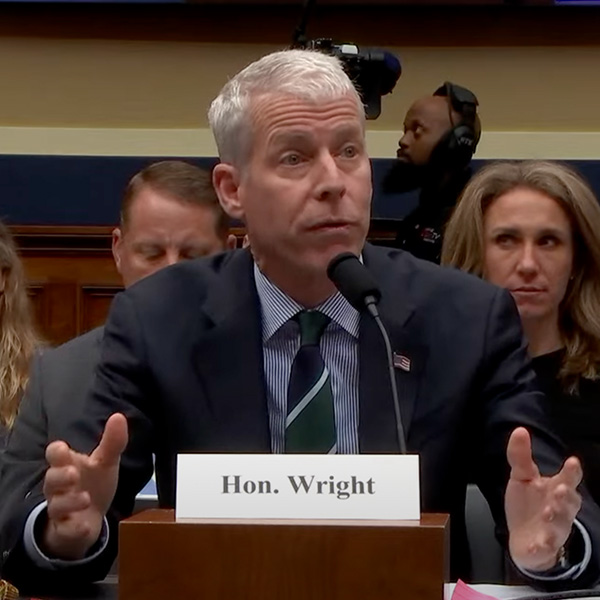
Energy Secretary Chris Wright talked about the process behind two recent orders mandating power plants that had planned to retire to keep running this summer at a House hearing that was focused on DOE's budget.
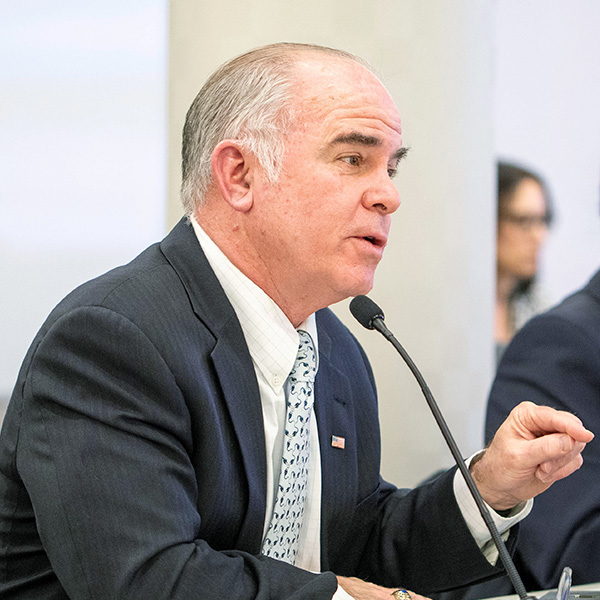
PJM’s Board of Managers initiated a critical issue fast path process to determine how to compensate Constellation Energy for continuing to run two gas-fired units at the utility’s Eddystone plant under a DOE emergency order.
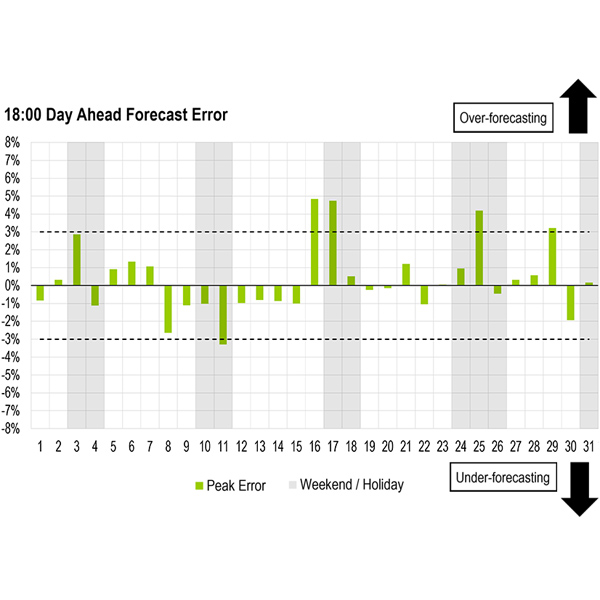

The PJM Market Implementation Committee discussed a proposal to allow demand response resources to participate in the regulation market when there are energy injections at the same point of interconnection to the distribution grid.

PJM is proposing to revise how it determines whether generation interconnections are subject to state or federal jurisdiction based on voltage or cost-recovery methodology.
Want more? Advanced Search
