Transmission
Entergy
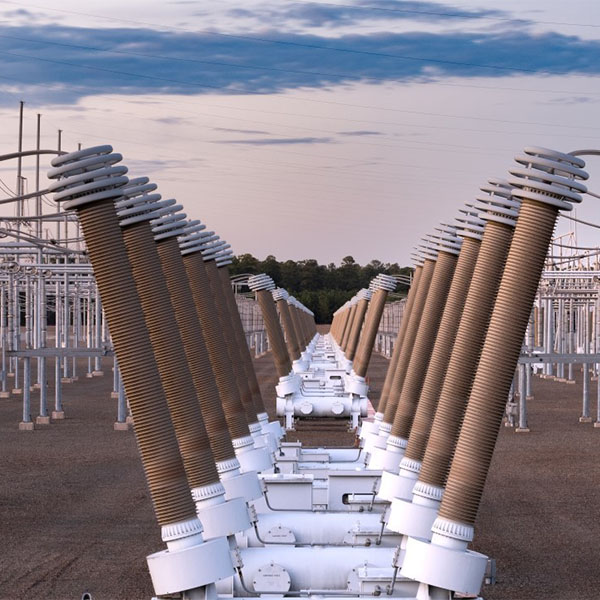
MISO’s Independent Market Monitor said a MISO South September transmission emergency shows the RTO needs a better handle on constraint management within its markets.
IEA
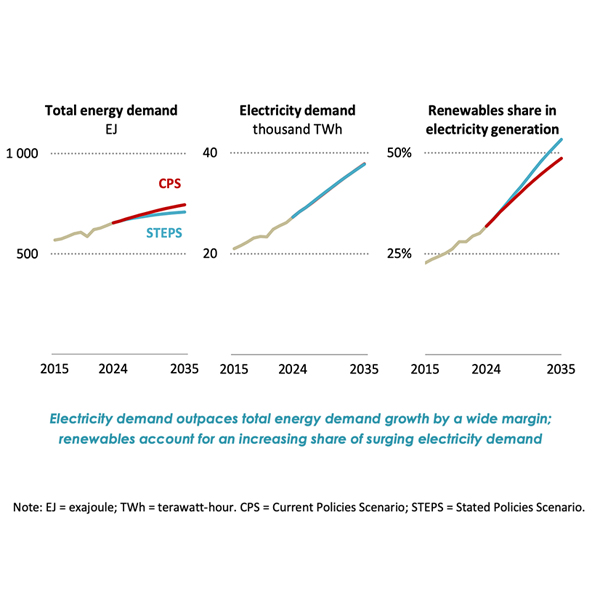
IEA released its 2025 World Energy Outlook, which shows the growing importance of electricity as residents start to adopt air conditioning and data centers and other large loads drive demand growth in rich countries.
MISO
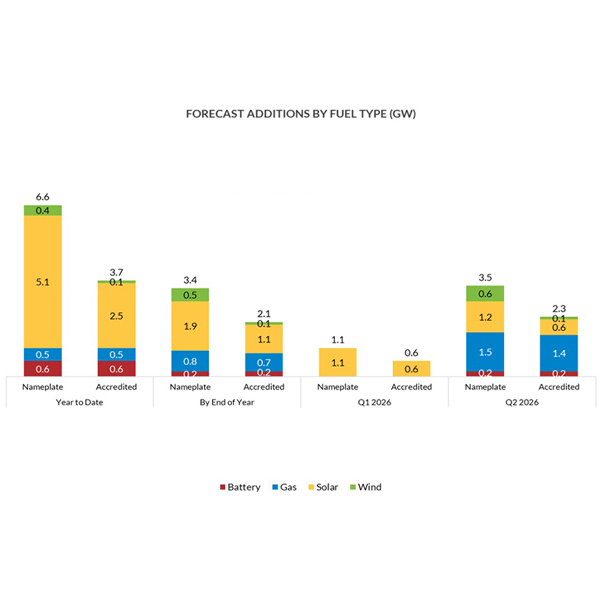
MISO’s generator interconnection queue now totals 174 GW across 944 projects, a result of several developers dropping out of the line in recent months.
© RTO Insider
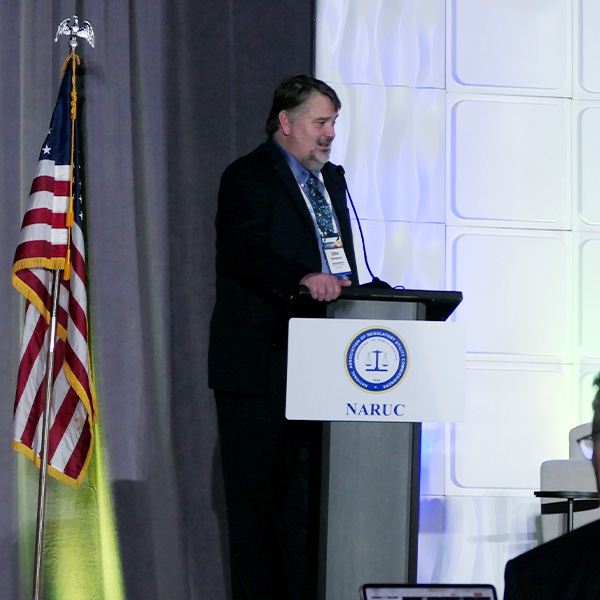
The National Association of Regulatory Utility Commissioners passed a resolution urging FERC to resist the Department of Energy’s push to give itself jurisdiction over large loads interconnecting with the grid.

© RTO Insider
SPP state regulators have approved several motions related to FERC Order 1920’s mandate for long-term, scenario-based planning to ensure the system can meet future needs and be fairly compensated.

© RTO Insider LLC
FERC rejected a complaint from the Kentucky PSC against AEP, finding the utility holding company's practice of spreading supplemental projects around its PJM utilities is still just and reasonable.

© RTO Insider
SPP’s Board of Directors has awarded its eighth competitive project and third in 2025 under FERC Order 1000, a 345-kV upgrade in the Texas Panhandle.
Shutterstock
The Regulatory Assistance Project has assembled nine former state utility regulators to try to make electricity more affordable for ratepayers.

Shutterstock
The Michigan Public Service Commission has approved tailored rate provisions between Consumers Energy and energy-intensive load customers.
U.S. Forest Service / Benjamin Cossel
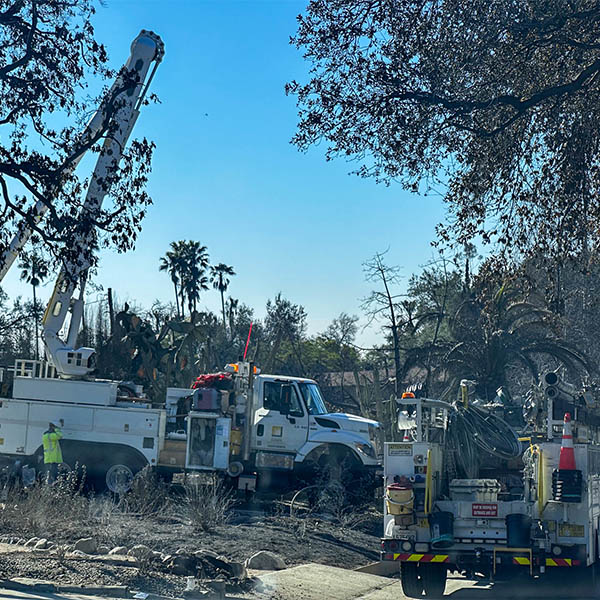
Grid operators and utilities have a double exposure to the increasingly fire-prone environment: grid assets can cause fires and be damaged by them, says columnist Dej Knuckey.
Want more? Advanced Search