
NetZero Insider
Agriculture & Land UseBuilding DecarbonizationCookingEnergy EfficiencySpace HeatingWater HeatingCommentary & Special ReportsConference coverageCompany NewsEquity & EconomicsEmployment & Economic ImpactEnvironmental & Social JusticeFederal PolicyCongressDepartment of EnergyLoan Programs Office (LPO)Department of TransportationEnvironmental Protection AgencyFederal Energy Regulatory CommissionGeneral Services Administration (GSA)Interior DepartmentBureau of Land ManagementBureau of Ocean Energy ManagementNuclear Regulatory CommissionTreasury DepartmentWhite HouseGeneration & FuelsBioenergyFossil FuelsCoalNatural GasGeothermalHydrogenNuclearSMRRenewable PowerCommunity solarHydropowerOffshore Wind PowerOnshore Wind PowerSolar PowerRooftop solarUtility scale solarImpact & AdaptationIndustrial DecarbonizationState and Local PolicyAlabamaArizonaCaliforniaCA LegislationCalifornia Air Resources Board (CARB)California Energy Commission (CEC)California Public Utilities Commission (CPUC)ColoradoConnecticutDelawareDistrict of ColumbiaFloridaGeorgiaHawaiiIdahoIllinoisIndianaKentuckyLouisianaMaineMarylandMassachusettsMichiganMinnesotaMississippiMissouriMontanaNevadaNew HampshireNew JerseyNew MexicoNew YorkNYSERDAPublic Service CommissionNorth CarolinaNorth DakotaOhioOntarioOregonPennsylvaniaRhode IslandSouth CarolinaTennesseeTexasUtahVermontVirginiaWashingtonWest VirginiaWisconsinWyomingTechnologyCarbon CaptureTransmission & DistributionEnergy StorageMicrogridsTransportation DecarbonizationAirplane DecarbonizationEV chargersHeavy-duty vehiclesBattery Electric Buses (BEB)Fuel Cell Electric Buses (FCEB)Light-duty vehiclesBattery Electric VehiclesFuel Cell VehiclesPlug-in hybrid electric vehiclesShip electrificationClean Ports
GE Vernova
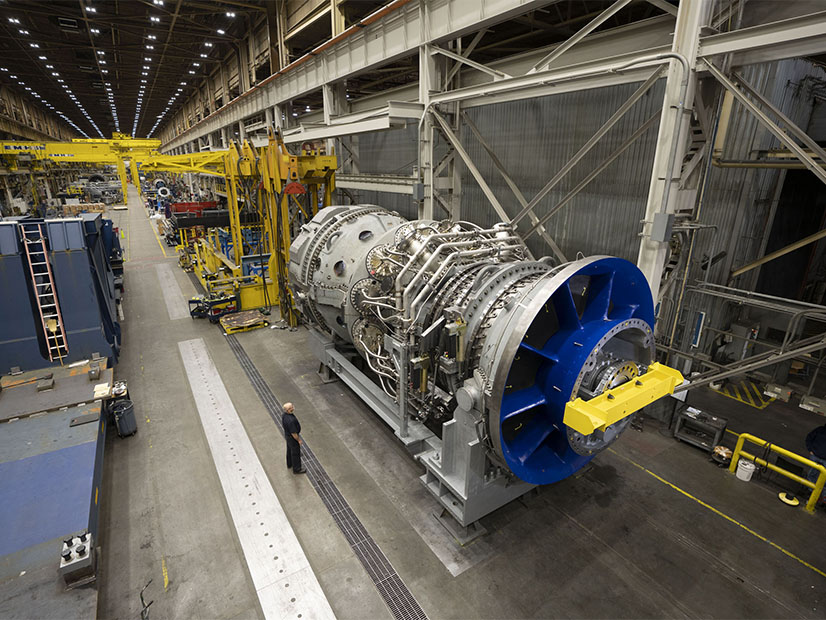
One new report flags risks entailed in the massive planned buildout of gas-fired generation, while another predicts a sharp continued rise in gas turbine prices.
Peretz Partensky, CC BY 2.0, via Wikimedia Commons
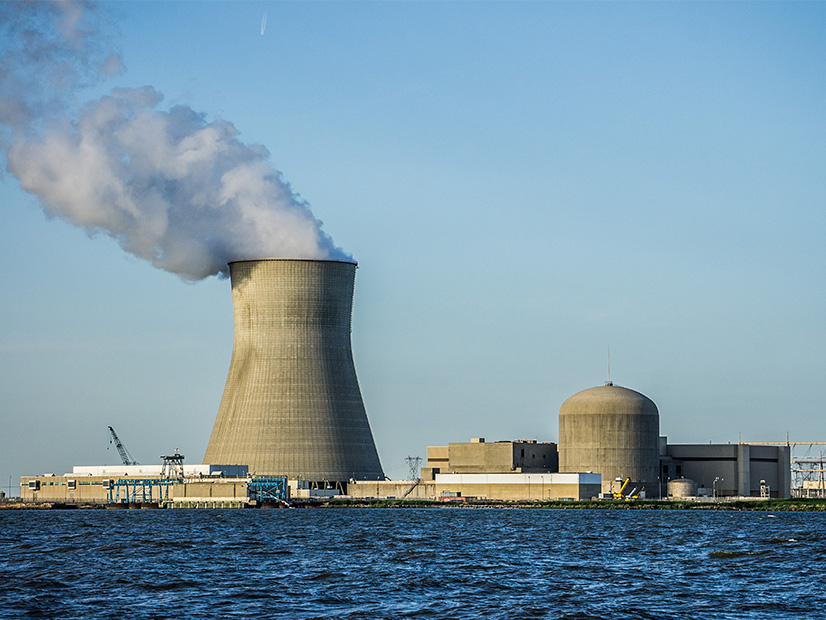
New Jersey Gov. Mikie Sherrill paved the way for the development of new nuclear plants by removing a permitting rule that for four decades created a “de facto moratorium” on reactor construction.
EIA
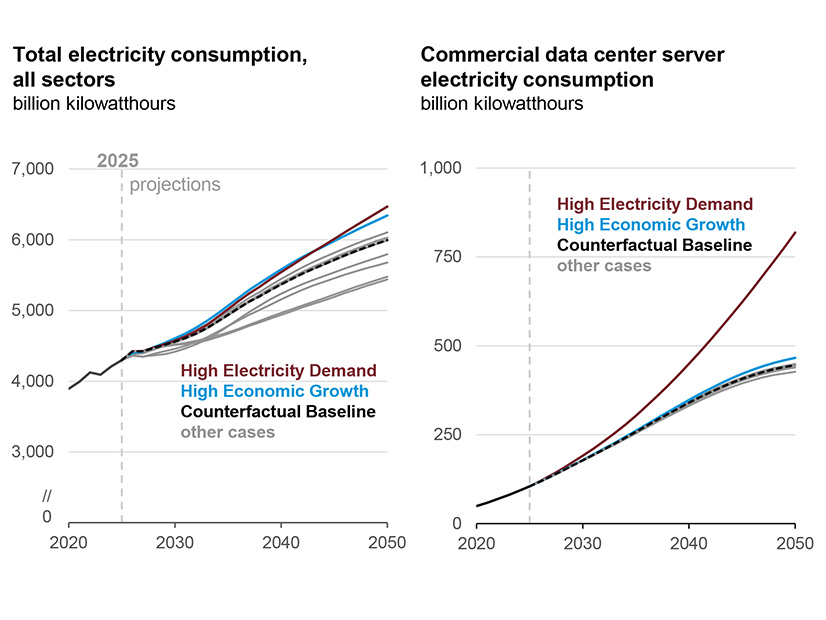
The Energy Information Administration’s 2026 Annual Energy Outlook forecasts major demand growth in the coming years.
New York Department of Public Service
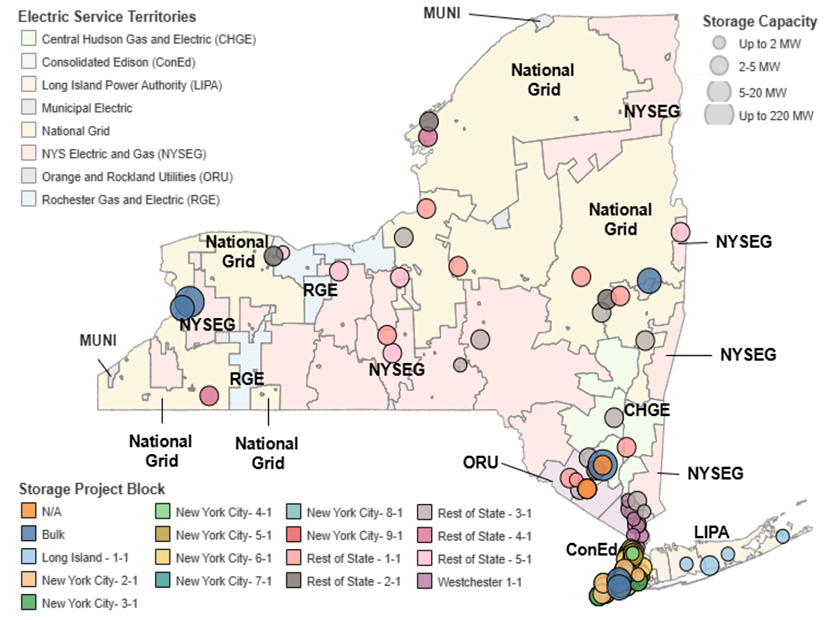
New York has far exceeded the interim target on its energy storage roadmap — 1.5 GW of capacity by the end of 2025 — but has more work ahead as it pursues 6 GW by 2030.
JIRSA Hedrick
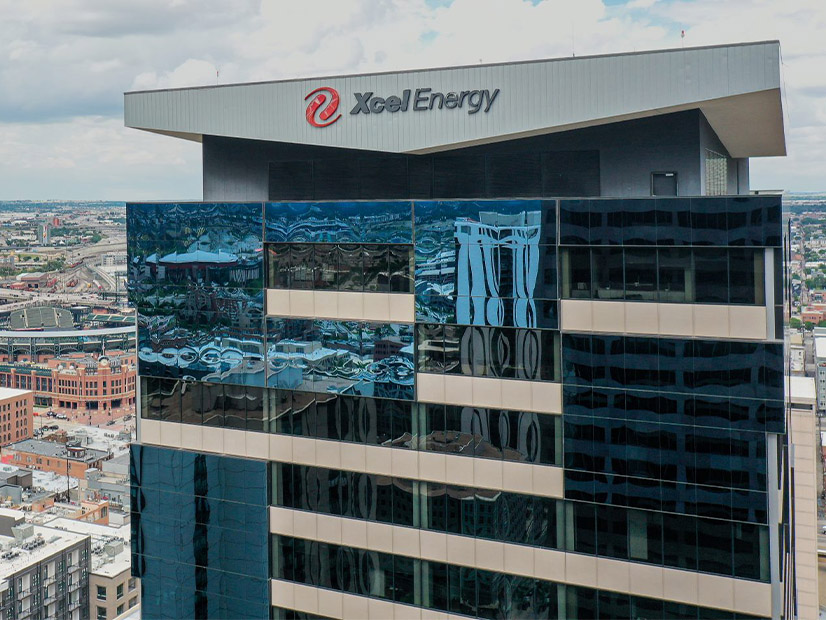
Xcel Energy is seeking approval for a large load tariff in Colorado that includes an optional clean transition tariff to encourage the development of emerging carbon-free resources.
Calvert County
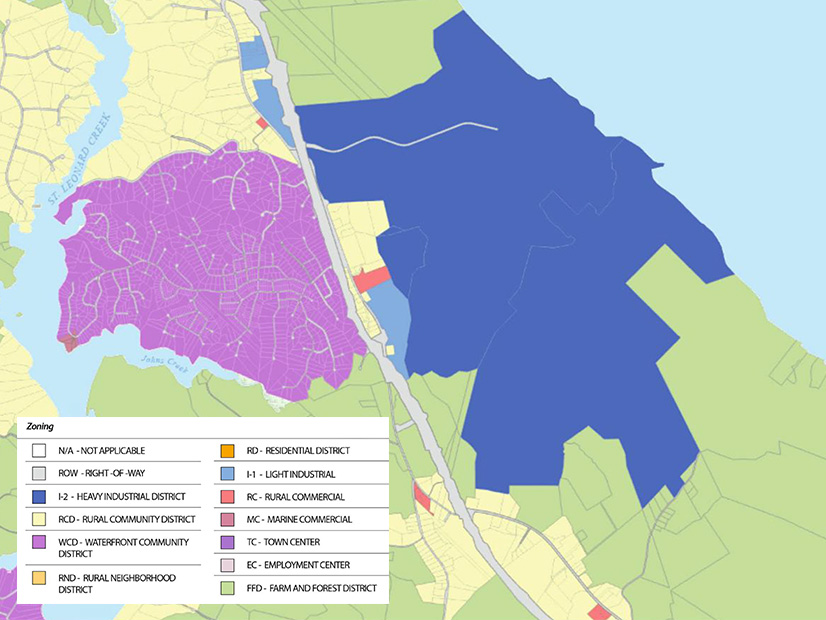
A proposal by Amazon Web Services to build a major data center next to a nuclear plant in Maryland has sparked scrutiny from local officials and the state ratepayer representative over the potential impact.
Shutterstock
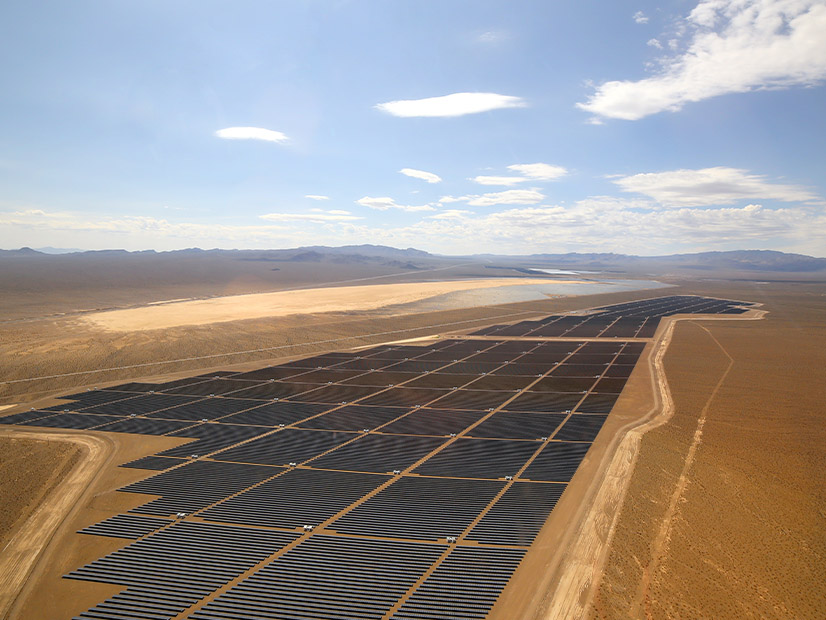
A new report quantifies what has been stated widely in general terms: The federal permitting process is delaying, downsizing and deterring clean energy projects.
RFF
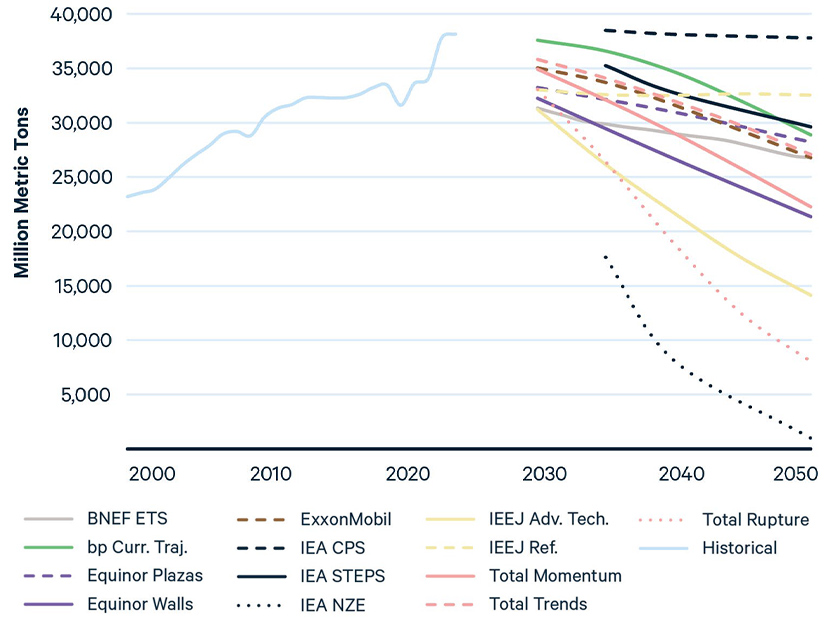
Too many emissions are baked in to the atmosphere for the world to limit global average temperature rise to 1.5 degrees Celsius, which was the target for the 2015 Paris Agreement, Resources For the Future said in its Global Energy Outlook 2026 report.
Constellation Energy
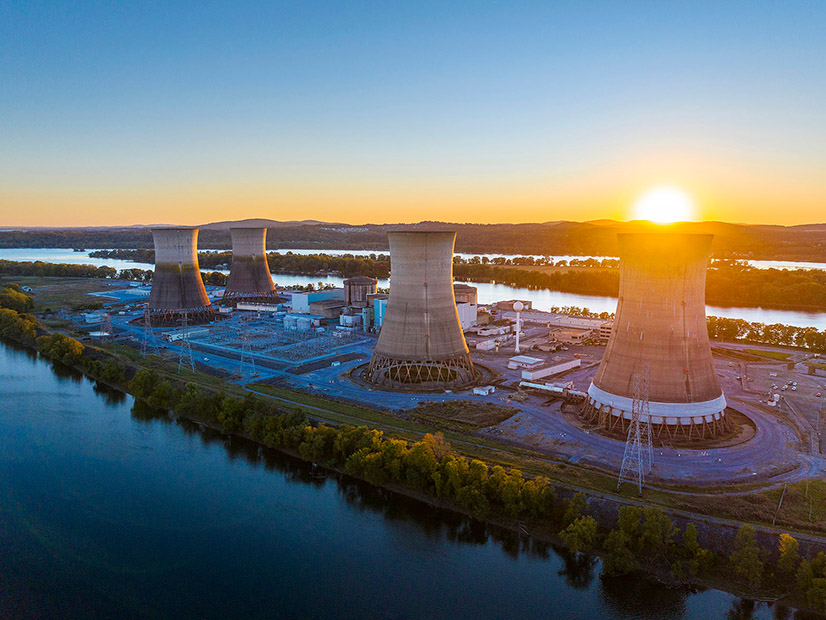
Concerned its restart of the former Three Mile Island nuclear plant could be delayed for years, Constellation Energy is asking FERC for waivers to parts of PJM’s tariff.
Rewiring America
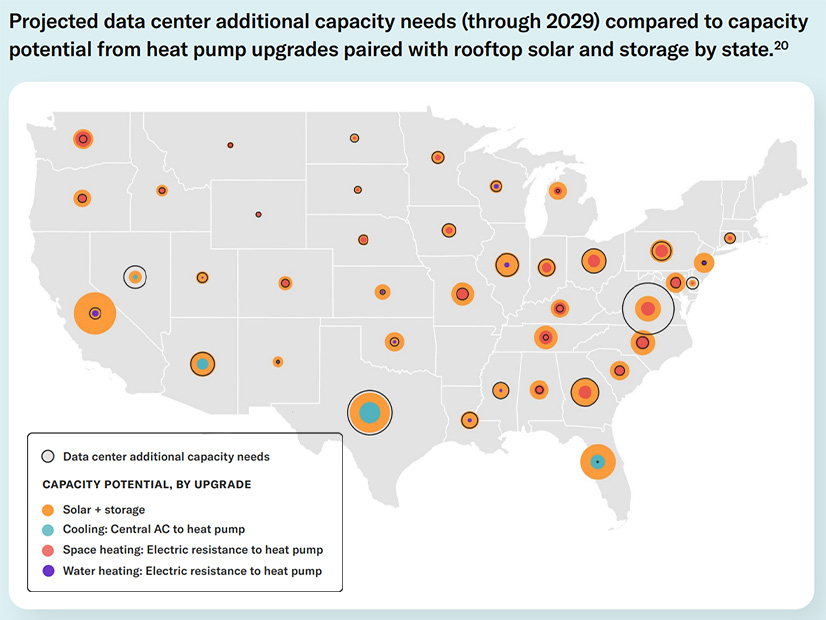
The electric power system can be built around variability. That could provide flexibility and affordability in the production and consumption of electricity. And the technologies are available now, writes columnist K Kaufmann.
Want more? Advanced Search
