NetZero Insider
Agriculture & Land UseBuilding DecarbonizationCookingEnergy EfficiencySpace HeatingWater HeatingCommentary & Special ReportsConference coverageCompany NewsEquity & EconomicsEmployment & Economic ImpactEnvironmental & Social JusticeFederal PolicyCongressDepartment of EnergyLoan Programs Office (LPO)Department of TransportationEnvironmental Protection AgencyFederal Energy Regulatory CommissionGeneral Services Administration (GSA)Interior DepartmentBureau of Land ManagementBureau of Ocean Energy ManagementNuclear Regulatory CommissionTreasury DepartmentWhite HouseGeneration & FuelsBioenergyFossil FuelsCoalNatural GasGeothermalHydrogenNuclearSMRRenewable PowerCommunity solarHydropowerOffshore Wind PowerOnshore Wind PowerSolar PowerRooftop solarUtility scale solarImpact & AdaptationIndustrial DecarbonizationState and Local PolicyAlabamaArizonaCaliforniaCA LegislationCalifornia Air Resources Board (CARB)California Energy Commission (CEC)California Public Utilities Commission (CPUC)ColoradoConnecticutDelawareDistrict of ColumbiaFloridaGeorgiaHawaiiIdahoIllinoisIndianaKentuckyLouisianaMaineMarylandMassachusettsMichiganMinnesotaMississippiMissouriMontanaNevadaNew HampshireNew JerseyNew MexicoNew YorkNYSERDAPublic Service CommissionNorth CarolinaNorth DakotaOhioOntarioOregonPennsylvaniaRhode IslandSouth CarolinaTennesseeTexasUtahVermontVirginiaWashingtonWest VirginiaWisconsinWyomingTechnologyCarbon CaptureTransmission & DistributionEnergy StorageMicrogridsTransportation DecarbonizationAirplane DecarbonizationEV chargersHeavy-duty vehiclesBattery Electric Buses (BEB)Fuel Cell Electric Buses (FCEB)Light-duty vehiclesBattery Electric VehiclesFuel Cell VehiclesPlug-in hybrid electric vehiclesShip electrificationClean Ports
NREL
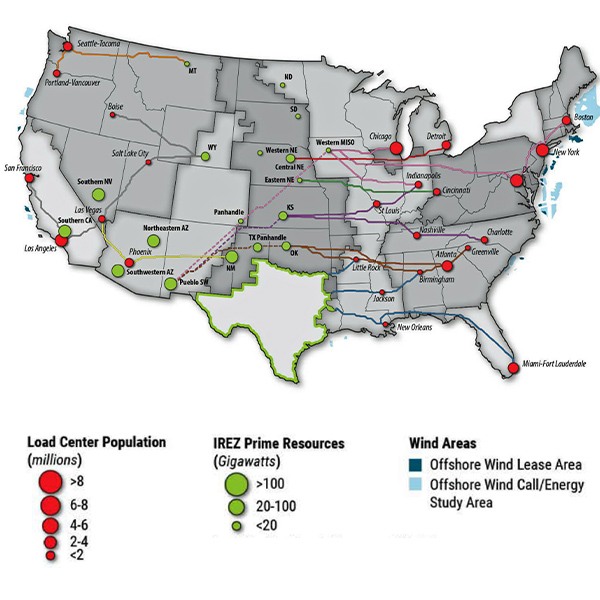
A new analysis concludes that building long-distance high-voltage transmission would save money and speed up decarbonization of the U.S power grid.

© RTO Insider LLC
Transmission limits remain a major barrier to scaling up wind and solar energy to meet state decarbonization goals, speakers at the NECA’s Renewable Energy Conference said.
© RTO Insider LLC
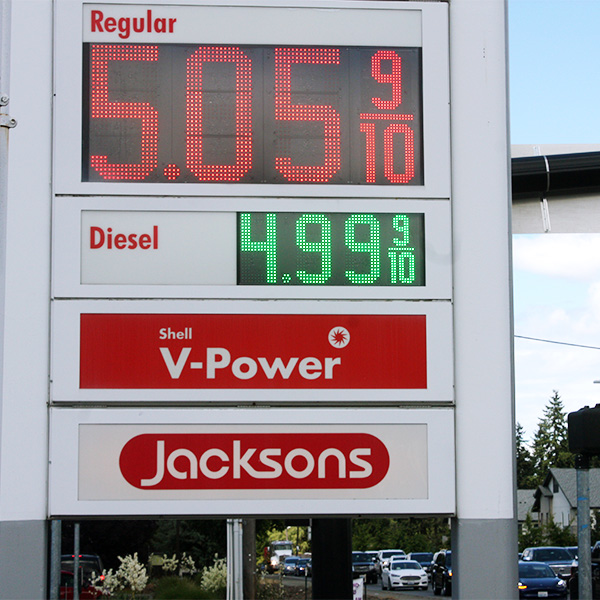
A former Washington DOT economist is suing the state over allegations he was forced out of his job because his superiors did not like his forecasts showing that gas prices would jump under cap-and-invest.
Ford
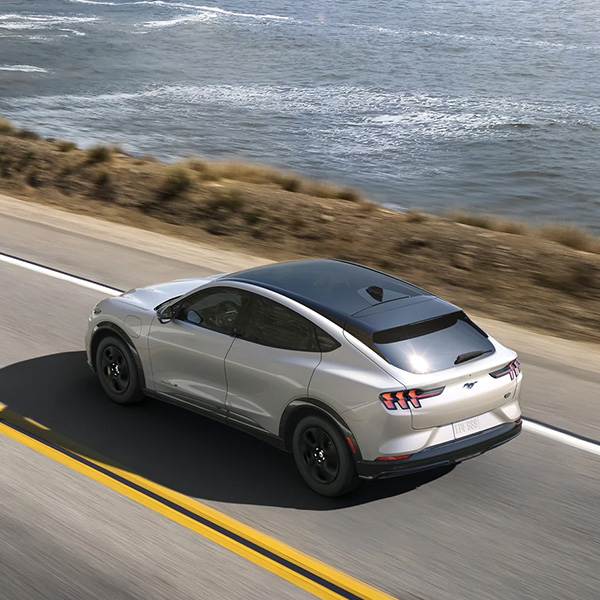
New Jersey’s Assembly Transportation and Independent Authorities Committee backed a bill that would levy a $250/year fee on EV registration beginning in July.
American Clean Power Association
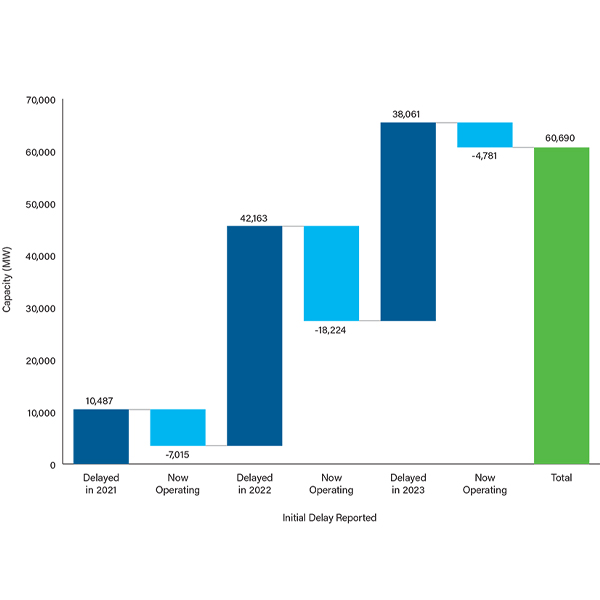
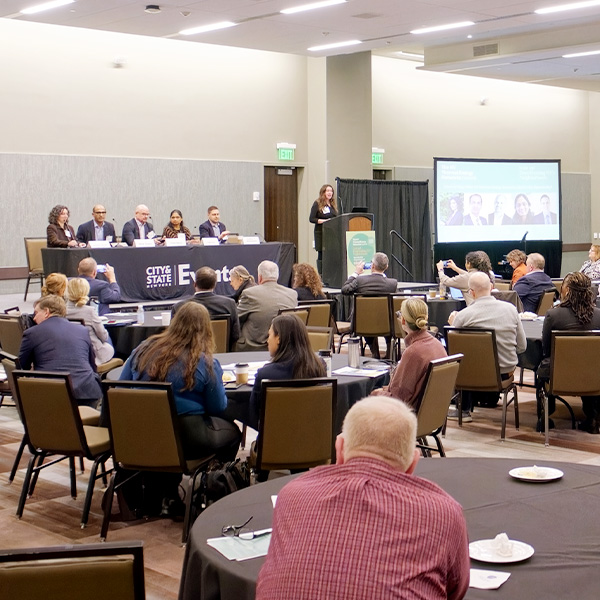
The U.S. could nearly quadruple solar capacity in the next 10 years, according to a SEIA report, while a ACP report shows that delays on clean energy projects have put more than 60 GW of clean power capacity on hold.
© RTO Insider LLC
The networked heating systems New York wants to test on a pilot scale hold promise for the environment and society but are taking time to design.

Energy and Environmental Economics (E3), Ava Community Energy and Gridworks
Targeted electrification could allow decommissioning of up to 10% of gas mains but is no silver bullet for solving the gas cost challenge, researchers say.
Shutterstock
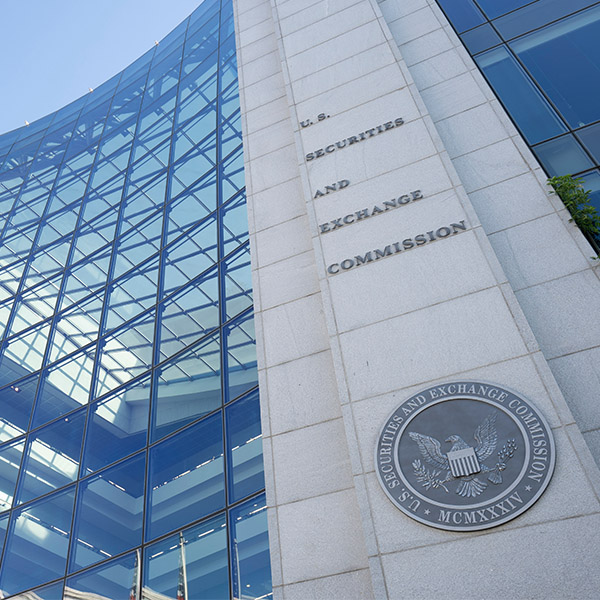
Under the finalized rules, the SEC estimates only 40% of U.S. firms and 60% of foreign companies will have to report their emissions.

Shutterstock
With Maryland facing rising budget deficits, legislators are focusing on removing barriers to zero-emission technologies, rather than proposing new funding.

Shutterstock
Despite support from the Department of Energy, National Grid has backed out of a major project to significantly increase the two-way transmission capacity between New England and Quebec.
Want more? Advanced Search