
NetZero Insider
Agriculture & Land UseBuilding DecarbonizationCookingEnergy EfficiencySpace HeatingWater HeatingCommentary & Special ReportsConference coverageCompany NewsEquity & EconomicsEmployment & Economic ImpactEnvironmental & Social JusticeFederal PolicyCongressDepartment of EnergyLoan Programs Office (LPO)Department of TransportationEnvironmental Protection AgencyFederal Energy Regulatory CommissionGeneral Services Administration (GSA)Interior DepartmentBureau of Land ManagementBureau of Ocean Energy ManagementNuclear Regulatory CommissionTreasury DepartmentWhite HouseGeneration & FuelsBioenergyFossil FuelsCoalNatural GasGeothermalHydrogenNuclearSMRRenewable PowerCommunity solarHydropowerOffshore Wind PowerOnshore Wind PowerSolar PowerRooftop solarUtility scale solarImpact & AdaptationIndustrial DecarbonizationState and Local PolicyAlabamaArizonaCaliforniaCA LegislationCalifornia Air Resources Board (CARB)California Energy Commission (CEC)California Public Utilities Commission (CPUC)ColoradoConnecticutDelawareDistrict of ColumbiaFloridaGeorgiaHawaiiIdahoIllinoisIndianaKentuckyLouisianaMaineMarylandMassachusettsMichiganMinnesotaMississippiMissouriMontanaNevadaNew HampshireNew JerseyNew MexicoNew YorkNYSERDAPublic Service CommissionNorth CarolinaNorth DakotaOhioOntarioOregonPennsylvaniaRhode IslandSouth CarolinaTennesseeTexasUtahVermontVirginiaWashingtonWest VirginiaWisconsinWyomingTechnologyCarbon CaptureTransmission & DistributionEnergy StorageMicrogridsTransportation DecarbonizationAirplane DecarbonizationEV chargersHeavy-duty vehiclesBattery Electric Buses (BEB)Fuel Cell Electric Buses (FCEB)Light-duty vehiclesBattery Electric VehiclesFuel Cell VehiclesPlug-in hybrid electric vehiclesShip electrificationClean Ports
Shutterstock
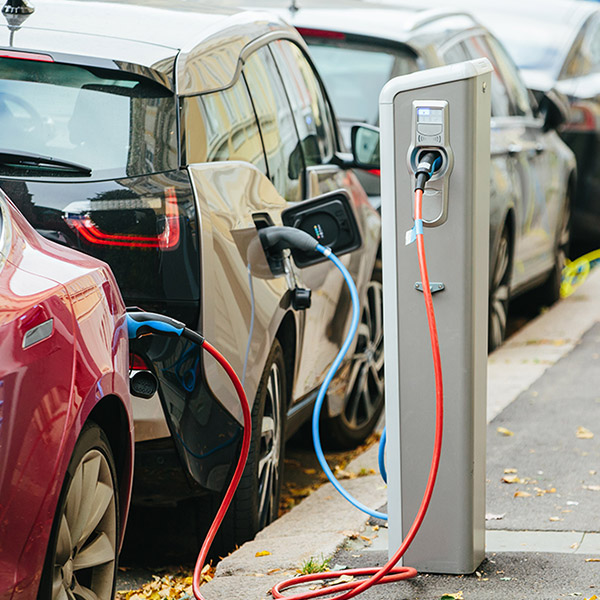
The Treasury Department and the IRS released guidance on tax incentives from the Inflation Reduction Act to offset the cost of installing electric vehicle charging stations and other alternative refueling stations.
The Breakthrough Institute
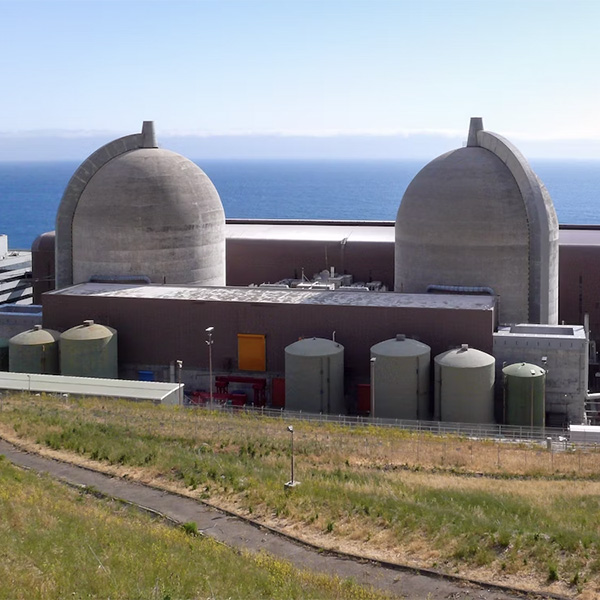
The 2,200-MW PG&E plant will be the first recipient of federal funds being made available to shore up operations at U.S. nuclear plants that face imminent closure.
Revolution Wind
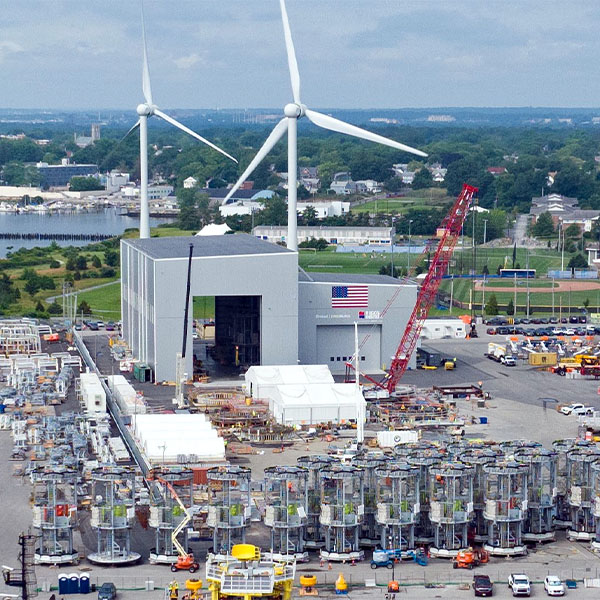
A coalition of offshore wind opponents sued to overturn federal approval of the South Fork Wind and Revolution Wind projects.
Shutterstock
Delaying the solicitation “is crucial to encourage the most cost-effective bids for the benefit of Massachusetts ratepayers,” the Department of Energy Resources wrote.

NOAA Fisheries/Calvin Alexander
The Supreme Court heard more than three hours of oral arguments in a case that conservatives hope will reduce the authority of federal regulatory agencies.
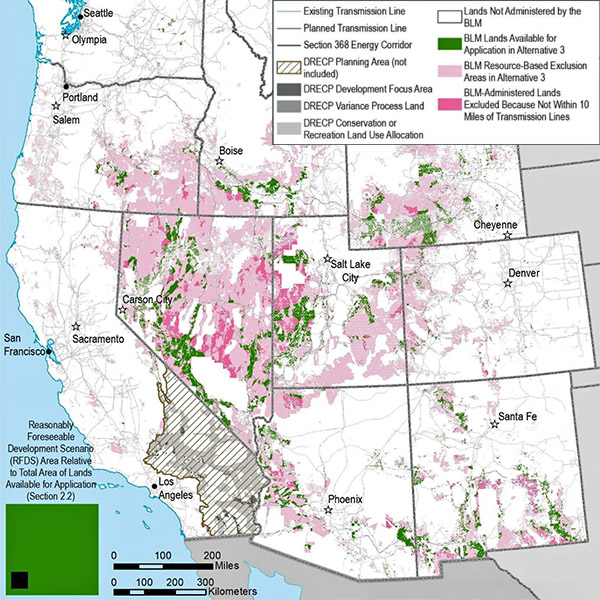
U.S. Bureau of Land Management
The Department of the Interior is proposing to designate 22 million acres of public land in the West as suitable for solar development.
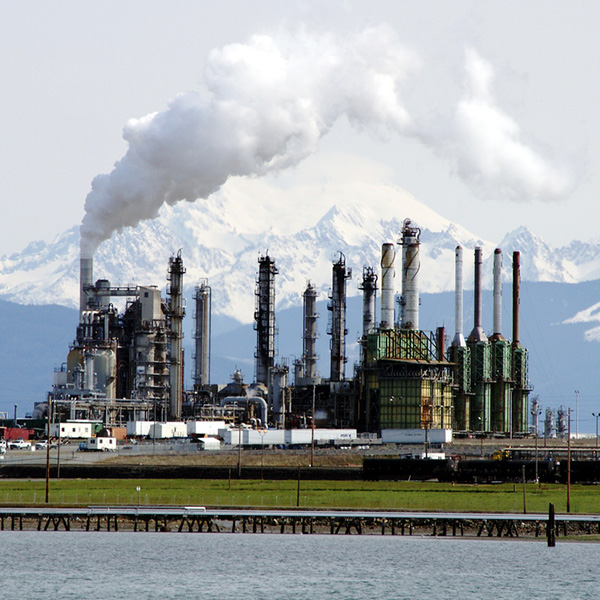
REMI
The bill to create a new agency to monitor activity in Washington's petroleum market details five pages of the kind of information the body would have to collect from oil companies.

Shutterstock
EPA is moving to impose financial penalties for excessive methane emissions within the oil and gas sector.

Shutterstock
Congressional Democrats sent a pair of identical letters to FERC urging the commission to complete its transmission cost allocation and planning rule.
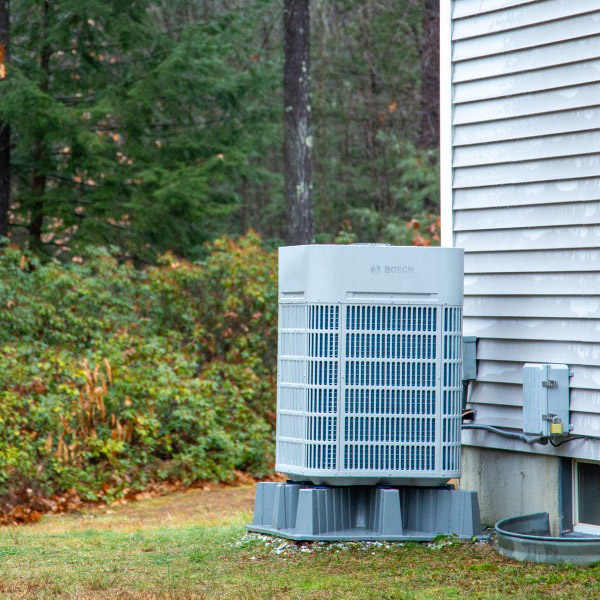
Bosch
The Department of Energy announced four companies have developed high-efficiency cold climate heat pumps as part of its Residential Cold Climate Heat Pump Technology Challenge.
Want more? Advanced Search
