
NetZero Insider
Agriculture & Land UseBuilding DecarbonizationCookingEnergy EfficiencySpace HeatingWater HeatingCommentary & Special ReportsConference coverageCompany NewsEquity & EconomicsEmployment & Economic ImpactEnvironmental & Social JusticeFederal PolicyCongressDepartment of EnergyLoan Programs Office (LPO)Department of TransportationEnvironmental Protection AgencyFederal Energy Regulatory CommissionGeneral Services Administration (GSA)Interior DepartmentBureau of Land ManagementBureau of Ocean Energy ManagementNuclear Regulatory CommissionTreasury DepartmentWhite HouseGeneration & FuelsBioenergyFossil FuelsCoalNatural GasGeothermalHydrogenNuclearSMRRenewable PowerCommunity solarHydropowerOffshore Wind PowerOnshore Wind PowerSolar PowerRooftop solarUtility scale solarImpact & AdaptationIndustrial DecarbonizationState and Local PolicyAlabamaArizonaCaliforniaCA LegislationCalifornia Air Resources Board (CARB)California Energy Commission (CEC)California Public Utilities Commission (CPUC)ColoradoConnecticutDelawareDistrict of ColumbiaFloridaGeorgiaHawaiiIdahoIllinoisIndianaKentuckyLouisianaMaineMarylandMassachusettsMichiganMinnesotaMississippiMissouriMontanaNevadaNew HampshireNew JerseyNew MexicoNew YorkNYSERDAPublic Service CommissionNorth CarolinaNorth DakotaOhioOntarioOregonPennsylvaniaRhode IslandSouth CarolinaTennesseeTexasUtahVermontVirginiaWashingtonWest VirginiaWisconsinWyomingTechnologyCarbon CaptureTransmission & DistributionEnergy StorageMicrogridsTransportation DecarbonizationAirplane DecarbonizationEV chargersHeavy-duty vehiclesBattery Electric Buses (BEB)Fuel Cell Electric Buses (FCEB)Light-duty vehiclesBattery Electric VehiclesFuel Cell VehiclesPlug-in hybrid electric vehiclesShip electrificationClean Ports

Shutterstock
New York state has issued the roadmap for its first-in-the-nation school bus electrification program and is preparing to draw the first tranche from a $500 million pot of money to start carrying it out.
RMI
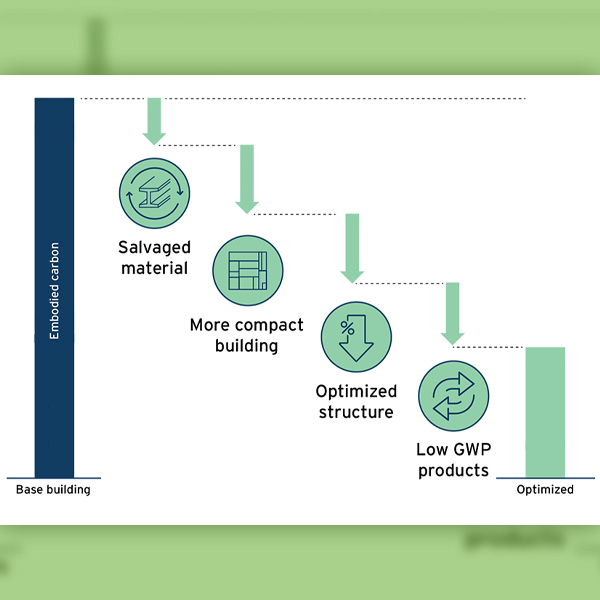
The building sector has the potential to move from being a massive emissions source to a carbon sink, a new report said.
© RTO Insider LLC
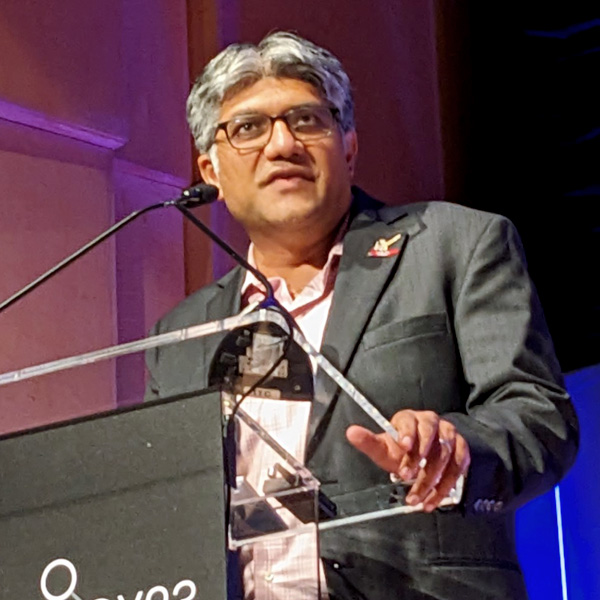
DOE gets business friendly. “The private sector has heard that DOE wants to hear their opinions and is willing to be responsive to what they have to say," said LPO Director Jigar Shah.
Shutterstock
New Jersey agreed to extend the deadline by which developers with solicitations pending in other states can drop out of its third solicitation.
Evergreen Action
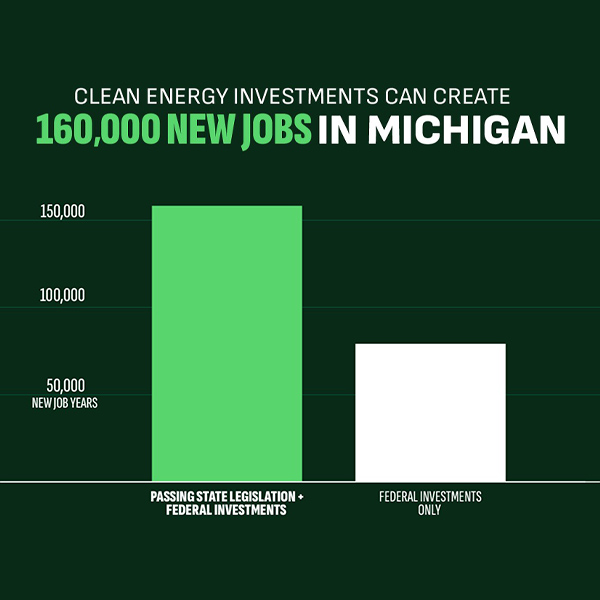
The first bill in a package of climate legislation won Michigan Senate approval while talks continued on the other proposals.
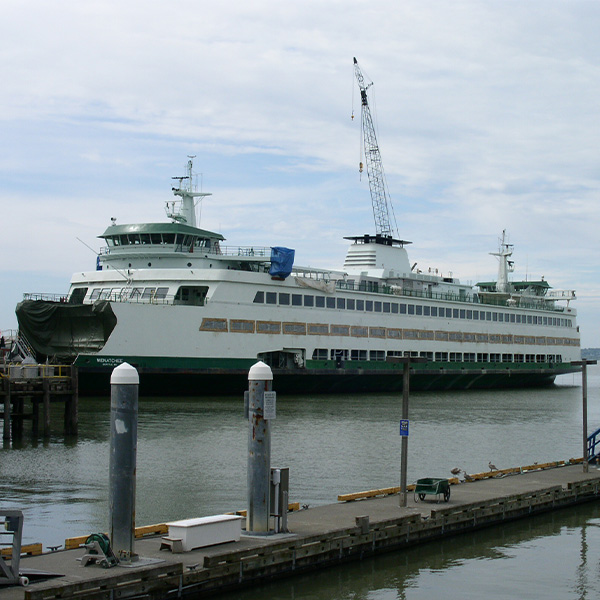
Steven Pavlov, CC-BY-SA-4.0, via Wikipedia Commons
Washington has begun the first overhaul of a diesel ferry into an electric-fuel hybrid, with the converted boat expected to be operating by September 2024.

Shutterstock
The Net Metering Flexibility Act allows solar customers who generate their own electricity to accrue credits indefinitely, instead of only for a year.

DOE
The Department of Energy wants to convert 30 square miles of the state of Washington’s heavily contaminated Hanford Site into a clean technology park, doesn’t know what type of clean tech it wants there.
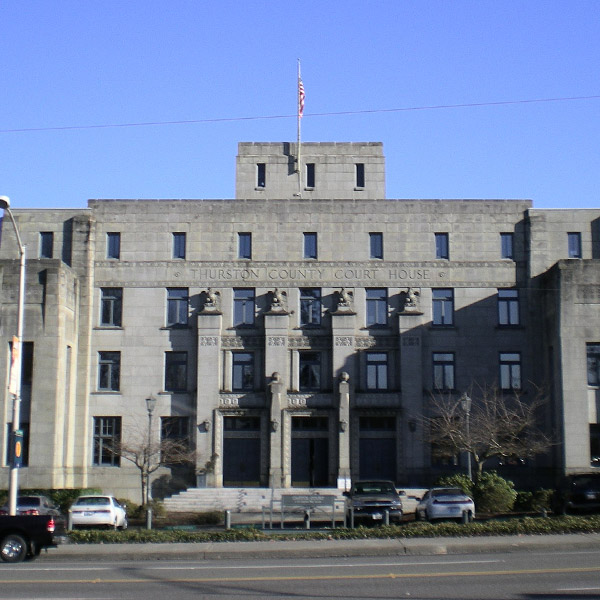
Murderbike, Public Domain, via Wikipedia Commons
The suit by a conservative group attempted to halt the state’s cap-and trade program by eliminating Department of Ecology’s rulemaking authority.
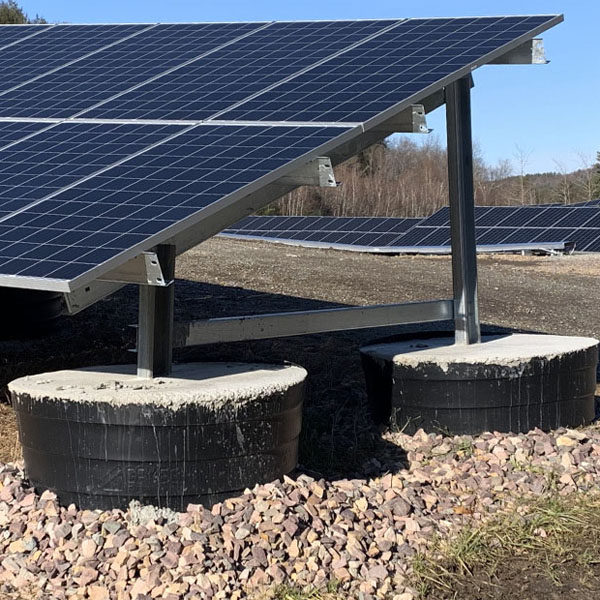
© RTO Insider LLC
Massachusetts Gov. Maura Healey signed an executive order creating a state Commission on Clean Energy Infrastructure Siting and Permitting.
Want more? Advanced Search
