
NetZero Insider
Agriculture & Land UseBuilding DecarbonizationCookingEnergy EfficiencySpace HeatingWater HeatingCommentary & Special ReportsConference coverageCompany NewsEquity & EconomicsEmployment & Economic ImpactEnvironmental & Social JusticeFederal PolicyCongressDepartment of EnergyLoan Programs Office (LPO)Department of TransportationEnvironmental Protection AgencyFederal Energy Regulatory CommissionGeneral Services Administration (GSA)Interior DepartmentBureau of Land ManagementBureau of Ocean Energy ManagementNuclear Regulatory CommissionTreasury DepartmentWhite HouseGeneration & FuelsBioenergyFossil FuelsCoalNatural GasGeothermalHydrogenNuclearSMRRenewable PowerCommunity solarHydropowerOffshore Wind PowerOnshore Wind PowerSolar PowerRooftop solarUtility scale solarImpact & AdaptationIndustrial DecarbonizationState and Local PolicyAlabamaArizonaCaliforniaCA LegislationCalifornia Air Resources Board (CARB)California Energy Commission (CEC)California Public Utilities Commission (CPUC)ColoradoConnecticutDelawareDistrict of ColumbiaFloridaGeorgiaHawaiiIdahoIllinoisIndianaKentuckyLouisianaMaineMarylandMassachusettsMichiganMinnesotaMississippiMissouriMontanaNevadaNew HampshireNew JerseyNew MexicoNew YorkNYSERDAPublic Service CommissionNorth CarolinaNorth DakotaOhioOntarioOregonPennsylvaniaRhode IslandSouth CarolinaTennesseeTexasUtahVermontVirginiaWashingtonWest VirginiaWisconsinWyomingTechnologyCarbon CaptureTransmission & DistributionEnergy StorageMicrogridsTransportation DecarbonizationAirplane DecarbonizationEV chargersHeavy-duty vehiclesBattery Electric Buses (BEB)Fuel Cell Electric Buses (FCEB)Light-duty vehiclesBattery Electric VehiclesFuel Cell VehiclesPlug-in hybrid electric vehiclesShip electrificationClean Ports
Atlas Public Policy/SACE
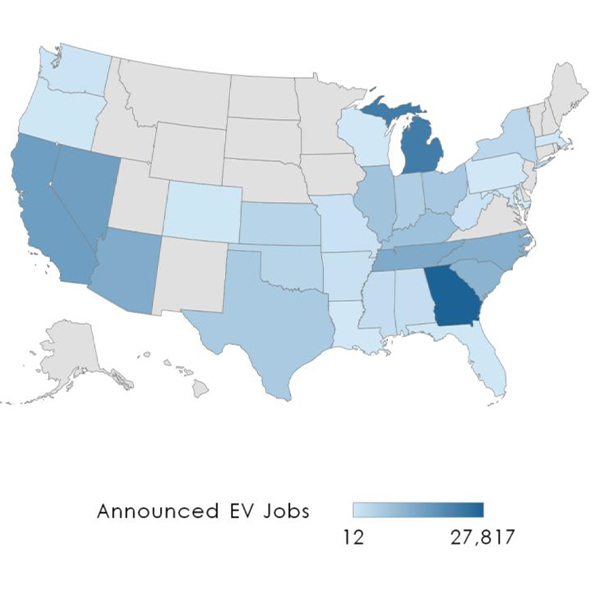
The Southeast Alliance for Clean Energy's report found that despite being responsible for 40% of all new investments in EV manufacturing, sales in the Southeast range from only 2.5% to 7% of vehicle sales, below the national average.
Appalachian Power Company
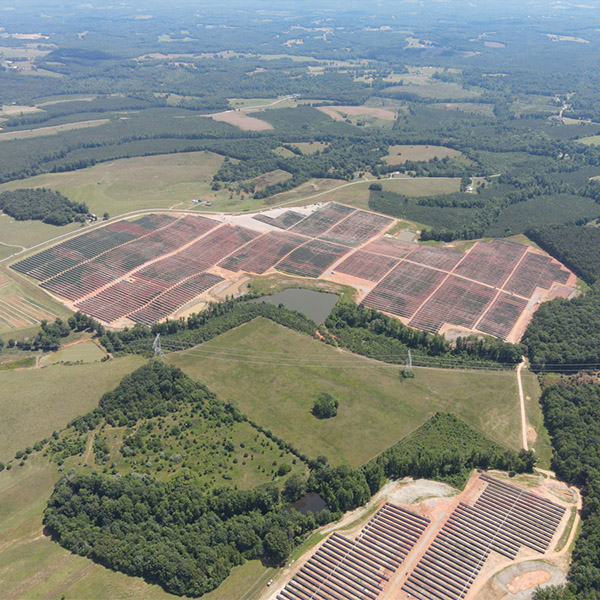
The Virginia SCC approved Appalachian Power's purchases under the state renewable portfolio standard for the next fiscal year.

Corbin Harder, CC-BY-SA-4.0, via Wikipedia
A regional economic development organization plans to set up a nonprofit subsidiary to develop clean energy businesses in an area with deep ties to nuclear power.
Shutterstock
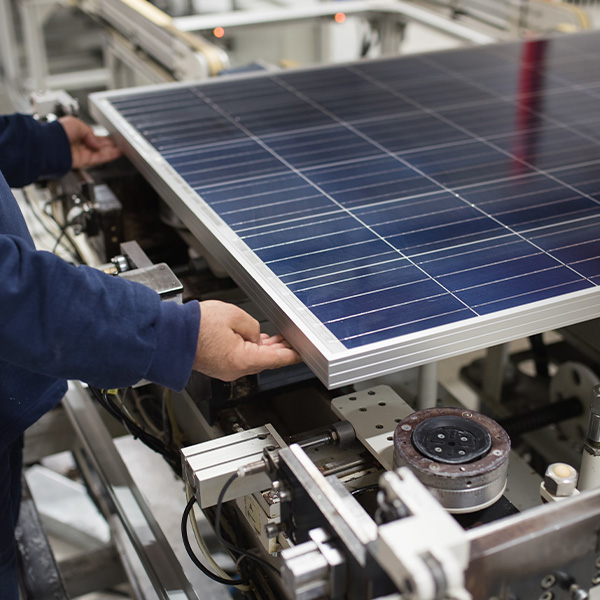
Starting in 2024, consumers buying an electric vehicle that qualifies for a $7,500 tax credit under the Inflation Reduction Act.
Shutterstock
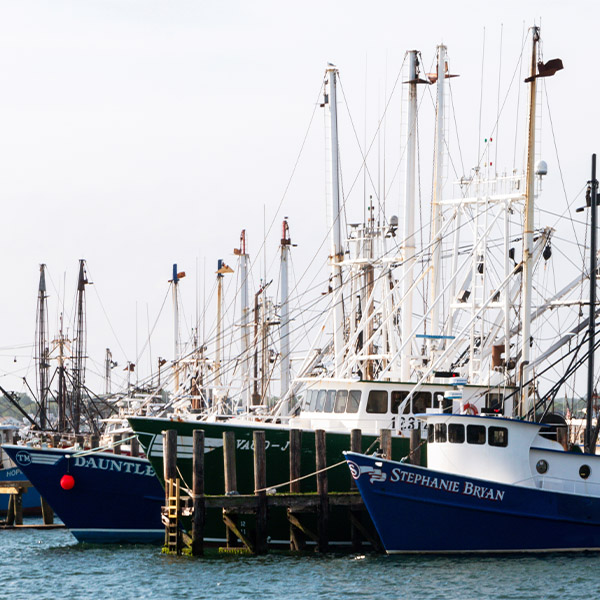
The panel of fishers advising Rhode Island’s coastal regulator has abruptly quit, accusing the agency of bias toward the offshore wind development they fear will harm the seafood industry.

NJ BPU
Joseph L. Fiordaliso, who led the New Jersey Board of Public Utilities as it embraced an aggressive and sweeping clean energy agenda marked by a major investment in offshore wind, has died.
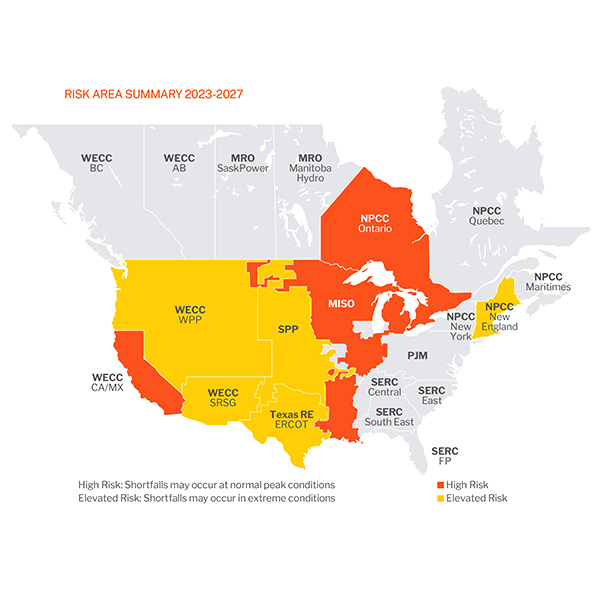
NERC
A Wood Mackenzie and CPower report highlights the importance of demand response and distributed energy resources in ensuring grid reliability.
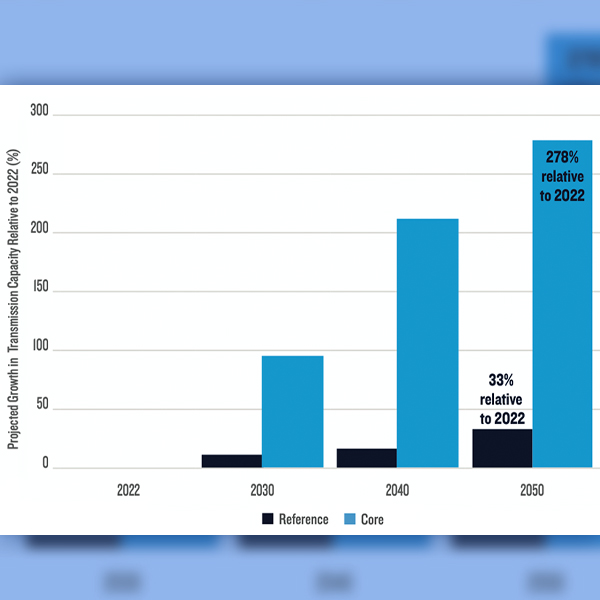
NRDC
The U.S. must double the number of transmission projects permitted and built each year to meet its clean energy potential, according to the NRDC.
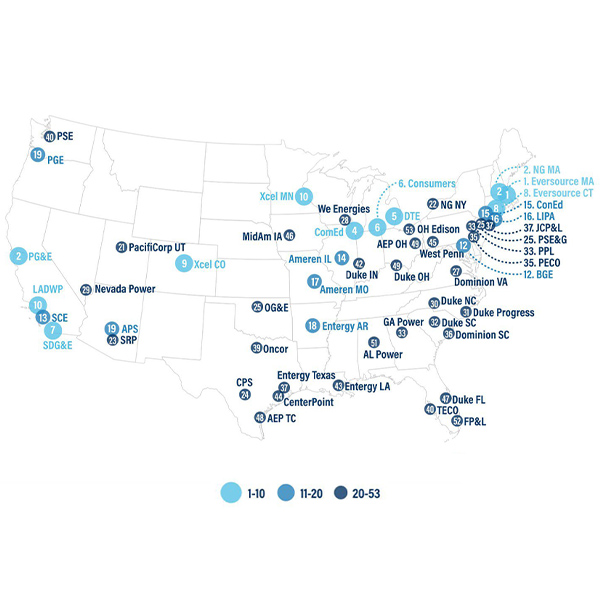
ACEEE
The American Council for an Energy-Efficient Economy's 2023 scorecard for utilities revealed that many utilities are not prioritizing energy efficiency as they focus on decarbonization and resiliency.
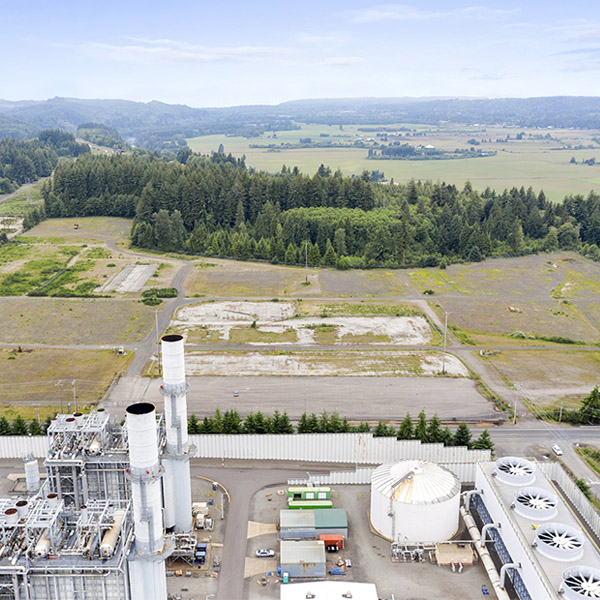
Port of Grays Harbor
Allowance prices continued to rise after the state’s latest cap-and-trade auction cleared at $63.03, up nearly 13% from the previous auction.
Want more? Advanced Search
