
NetZero Insider
Agriculture & Land UseBuilding DecarbonizationCookingEnergy EfficiencySpace HeatingWater HeatingCommentary & Special ReportsConference coverageCompany NewsEquity & EconomicsEmployment & Economic ImpactEnvironmental & Social JusticeFederal PolicyCongressDepartment of EnergyLoan Programs Office (LPO)Department of TransportationEnvironmental Protection AgencyFederal Energy Regulatory CommissionGeneral Services Administration (GSA)Interior DepartmentBureau of Land ManagementBureau of Ocean Energy ManagementNuclear Regulatory CommissionTreasury DepartmentWhite HouseGeneration & FuelsBioenergyFossil FuelsCoalNatural GasGeothermalHydrogenNuclearSMRRenewable PowerCommunity solarHydropowerOffshore Wind PowerOnshore Wind PowerSolar PowerRooftop solarUtility scale solarImpact & AdaptationIndustrial DecarbonizationState and Local PolicyAlabamaArizonaCaliforniaCA LegislationCalifornia Air Resources Board (CARB)California Energy Commission (CEC)California Public Utilities Commission (CPUC)ColoradoConnecticutDelawareDistrict of ColumbiaFloridaGeorgiaHawaiiIdahoIllinoisIndianaKentuckyLouisianaMaineMarylandMassachusettsMichiganMinnesotaMississippiMissouriMontanaNevadaNew HampshireNew JerseyNew MexicoNew YorkNYSERDAPublic Service CommissionNorth CarolinaNorth DakotaOhioOntarioOregonPennsylvaniaRhode IslandSouth CarolinaTennesseeTexasUtahVermontVirginiaWashingtonWest VirginiaWisconsinWyomingTechnologyCarbon CaptureTransmission & DistributionEnergy StorageMicrogridsTransportation DecarbonizationAirplane DecarbonizationEV chargersHeavy-duty vehiclesBattery Electric Buses (BEB)Fuel Cell Electric Buses (FCEB)Light-duty vehiclesBattery Electric VehiclesFuel Cell VehiclesPlug-in hybrid electric vehiclesShip electrificationClean Ports
Volvo Trucks
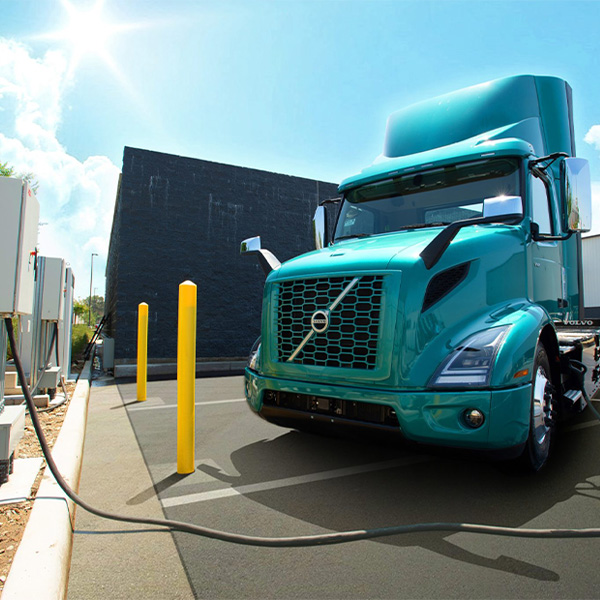
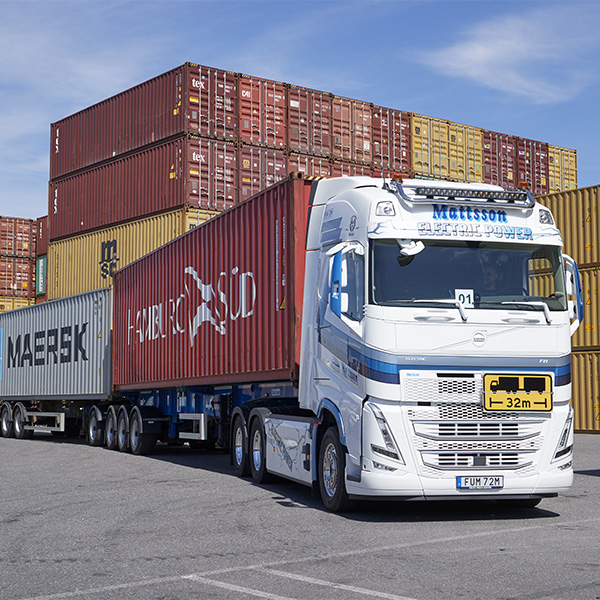
California, Oregon and Washington have jointly applied for federal grant money to build a public charging network for electric trucks across the three states.

Office of the Governor
California Gov. Gavin Newsom signed a state budget and five-bill infrastructure package targeting reliability and building generation.
New Jersey Governor's Office
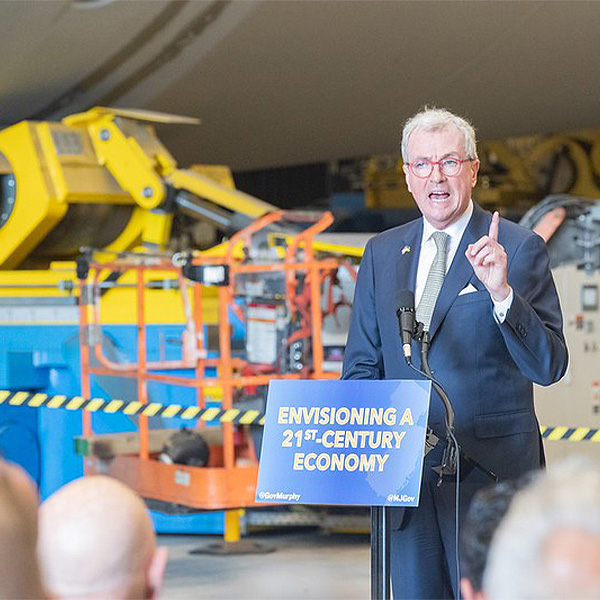
New Jersey Gov. Phil Murphy hailed offshore wind as a once-in-a-generation opportunity to bring billion-dollar investments and millions of union jobs to the state.
Shutterstock
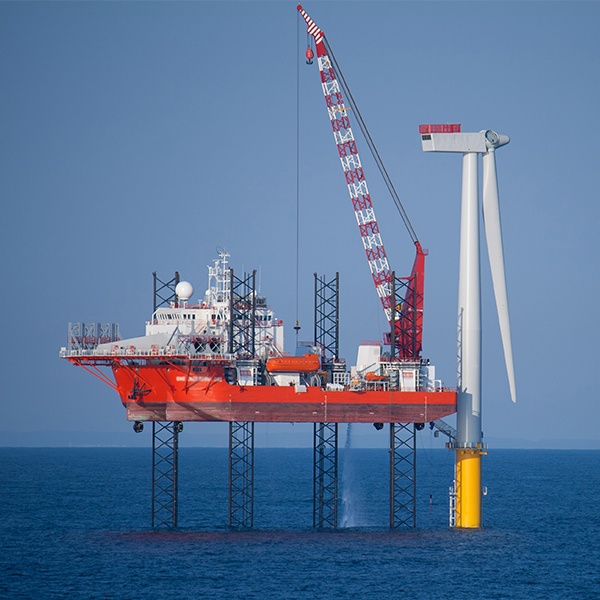
Amanda Lefton, who led BOEM's drive to expand the U.S. offshore wind sector, will now head East Coast development efforts for RWE.
© RTO Insider LLC
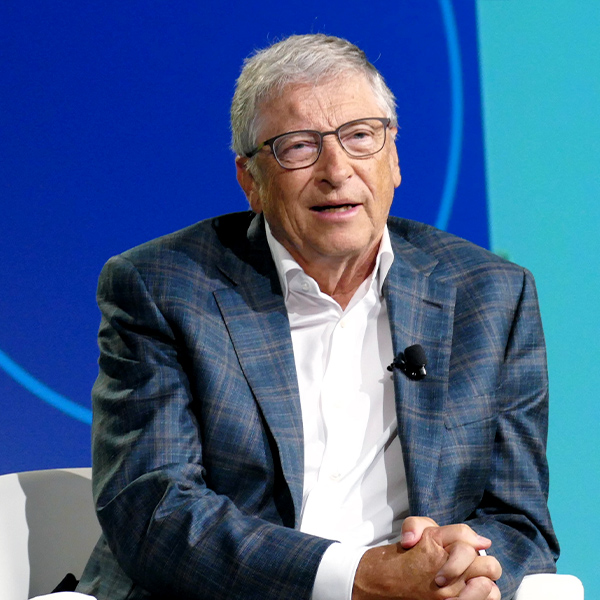
Two of the world’s richest men drew crowds when they discussed energy future at Edison Electric Institute’s annual conference last month.
© RTO Insider LLC
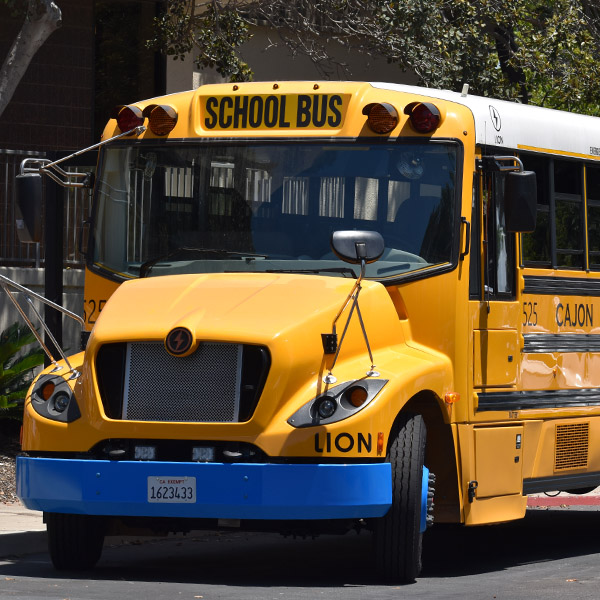
The California Air Resources Board is taking applications for $150 million in state funding to help public school districts purchase zero-emission buses and related infrastructure.
Energy Futures Initiative
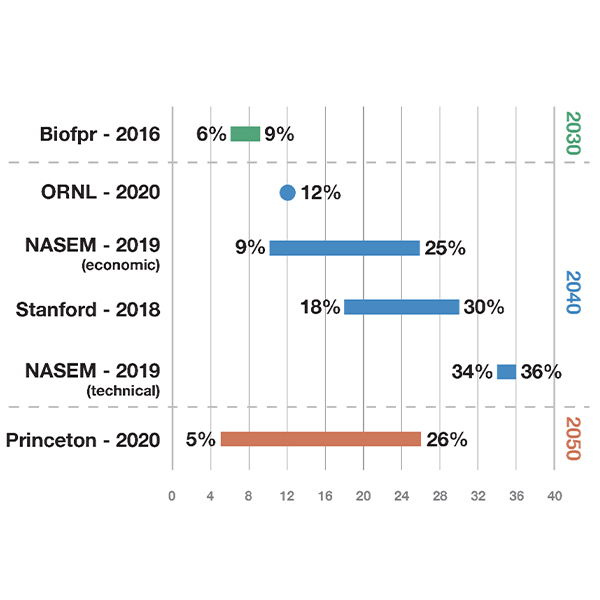
Former Energy Secretary Ernest Moniz says BECCS is needed because "every damn tenth of a degree is really important," but environmentalists say the technology is not carbon negative.
Shutterstock
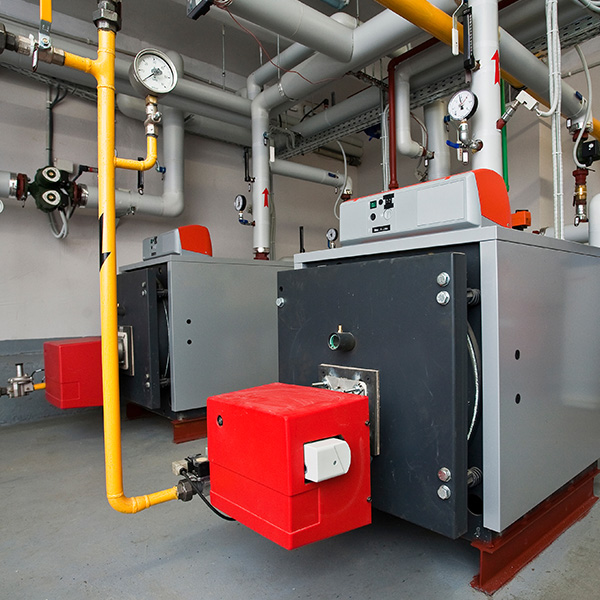
An appeals court sent DOE back to the drawing board on an efficiency rule for commercial boilers after complaints the agency failed to comply with the Administrative Procedure Act.
NOAA
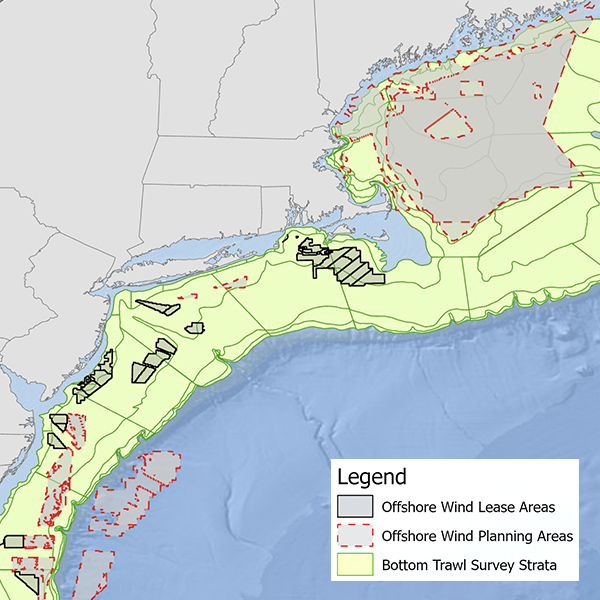
Scientists say offshore wind developers' planned studies won't plug gap in fisheries data.
Volvo Trucks
As a court battle heats up over California’s zero-emission truck regulations, a group of manufacturers have committed to follow the rules even if they’re overturned.
Want more? Advanced Search
