
NetZero Insider
Agriculture & Land UseBuilding DecarbonizationCookingEnergy EfficiencySpace HeatingWater HeatingCommentary & Special ReportsConference coverageCompany NewsEquity & EconomicsEmployment & Economic ImpactEnvironmental & Social JusticeFederal PolicyCongressDepartment of EnergyLoan Programs Office (LPO)Department of TransportationEnvironmental Protection AgencyFederal Energy Regulatory CommissionGeneral Services Administration (GSA)Interior DepartmentBureau of Land ManagementBureau of Ocean Energy ManagementNuclear Regulatory CommissionTreasury DepartmentWhite HouseGeneration & FuelsBioenergyFossil FuelsCoalNatural GasGeothermalHydrogenNuclearSMRRenewable PowerCommunity solarHydropowerOffshore Wind PowerOnshore Wind PowerSolar PowerRooftop solarUtility scale solarImpact & AdaptationIndustrial DecarbonizationState and Local PolicyAlabamaArizonaCaliforniaCA LegislationCalifornia Air Resources Board (CARB)California Energy Commission (CEC)California Public Utilities Commission (CPUC)ColoradoConnecticutDelawareDistrict of ColumbiaFloridaGeorgiaHawaiiIdahoIllinoisIndianaKentuckyLouisianaMaineMarylandMassachusettsMichiganMinnesotaMississippiMissouriMontanaNevadaNew HampshireNew JerseyNew MexicoNew YorkNYSERDAPublic Service CommissionNorth CarolinaNorth DakotaOhioOntarioOregonPennsylvaniaRhode IslandSouth CarolinaTennesseeTexasUtahVermontVirginiaWashingtonWest VirginiaWisconsinWyomingTechnologyCarbon CaptureTransmission & DistributionEnergy StorageMicrogridsTransportation DecarbonizationAirplane DecarbonizationEV chargersHeavy-duty vehiclesBattery Electric Buses (BEB)Fuel Cell Electric Buses (FCEB)Light-duty vehiclesBattery Electric VehiclesFuel Cell VehiclesPlug-in hybrid electric vehiclesShip electrificationClean Ports
Shutterstock
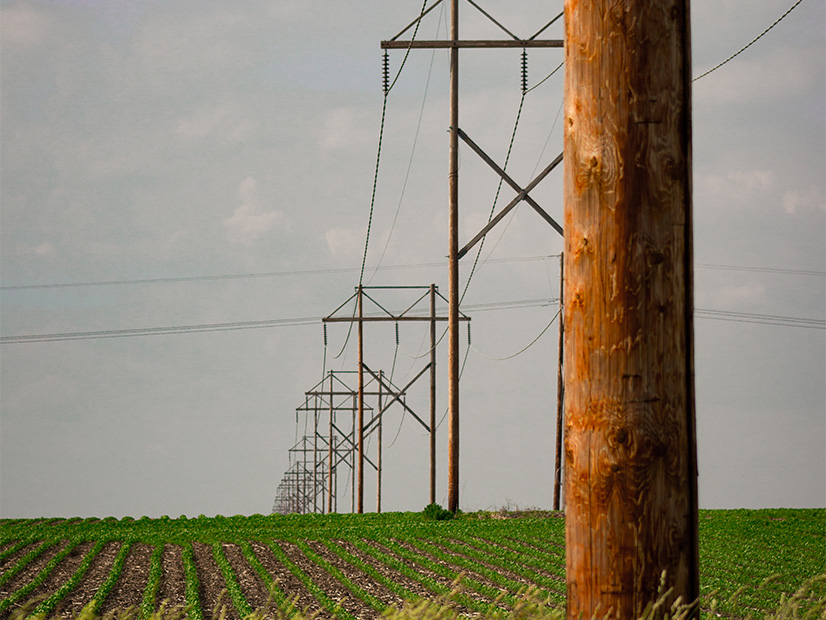
FERC approved revised rate schedules for two American Electric Power affiliates in Ohio to remove their RTO participation adders.
MISO
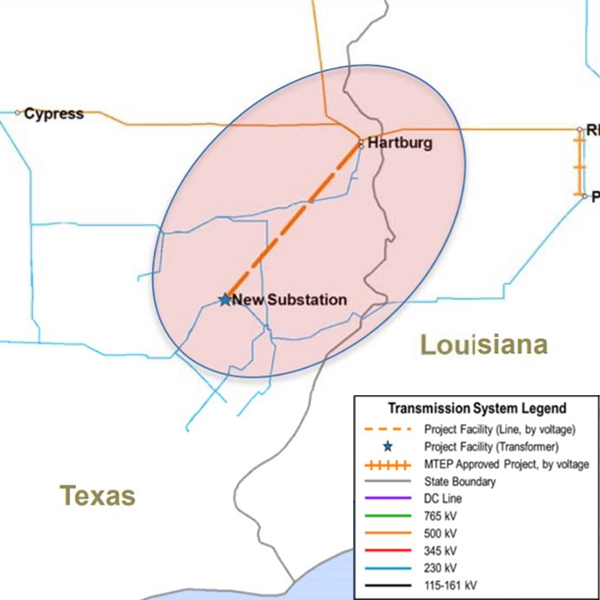
NextEra Energy is continuing its efforts to salvage the only competitive regional transmission project MISO has recommended in its South region.
Fore River Residents Against the Compressor Station
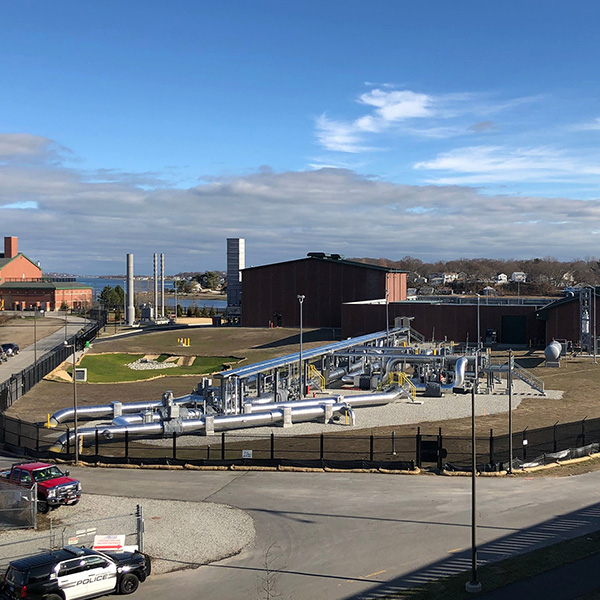
Opponents of a gas compressor made a long-shot bid to close the facility in oral arguments that focused on FERC’s handling of environmental justice concerns.
Nissan
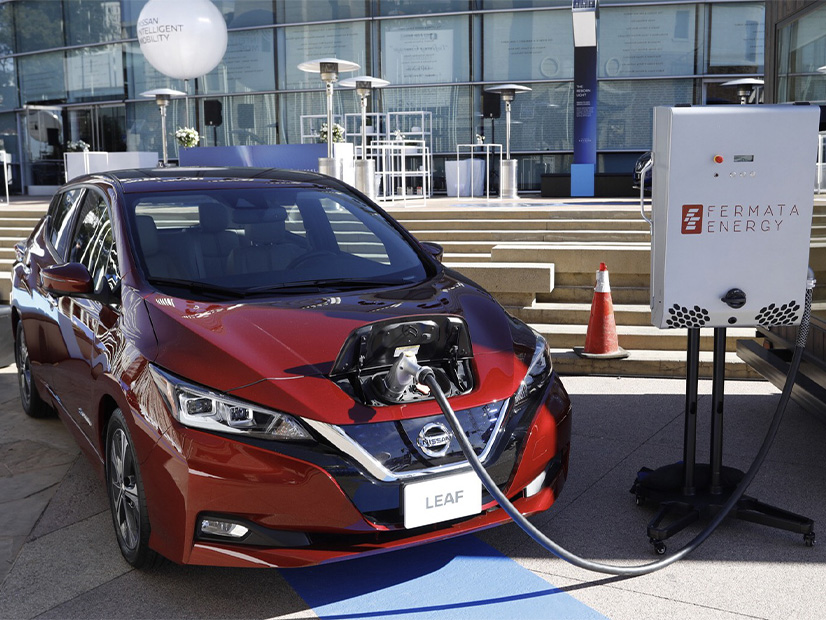
A bill that would require all zero-emission vehicles sold in California to have bidirectional charging capabilities by 2027 cleared a key Senate committee.
Veloz
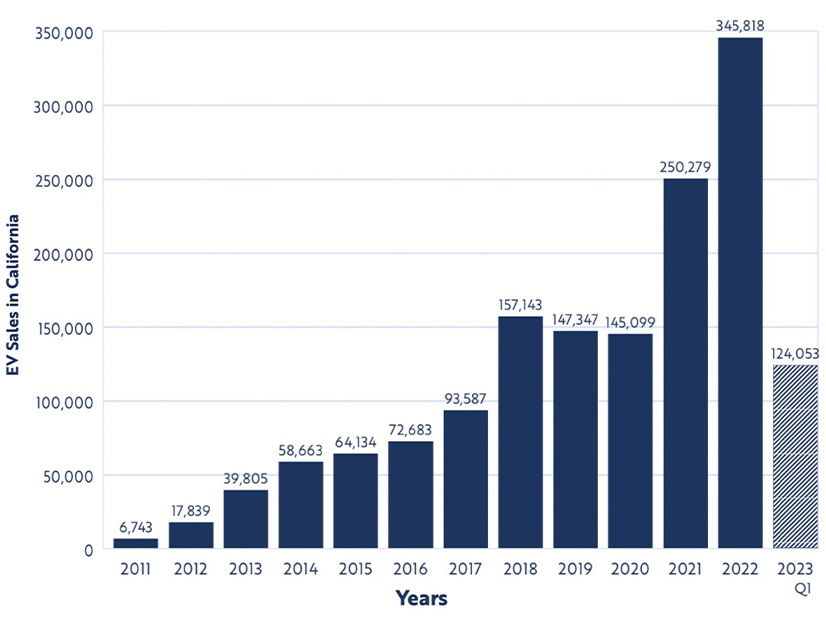
More than 1.5 million light-duty electric vehicles have been sold in California, beating by two years the target set by a governor’s executive order in 2012.
AES
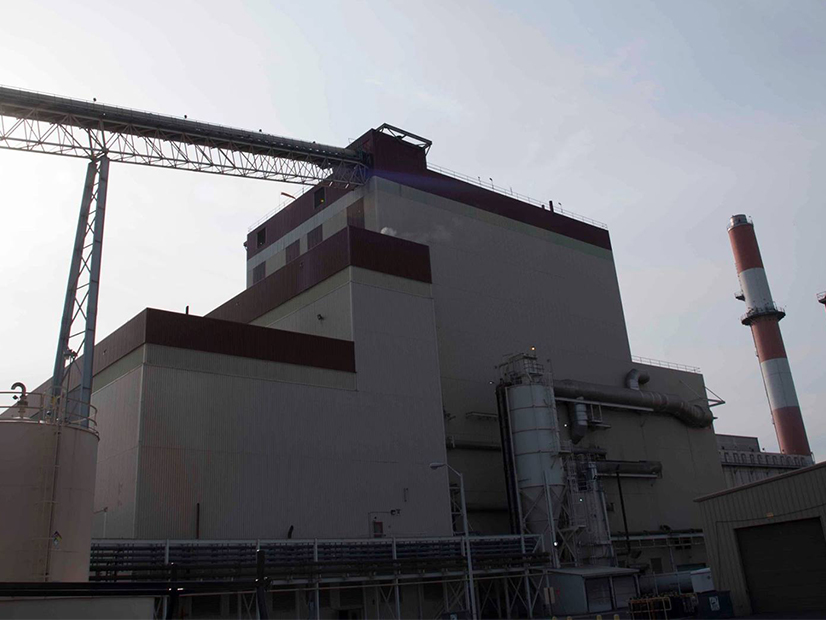
AES and FirstEnergy asked the Maryland PSC to close the Warrior Run coal plant early, which would save consumers money while furthering climate change goals.
DTE Energy
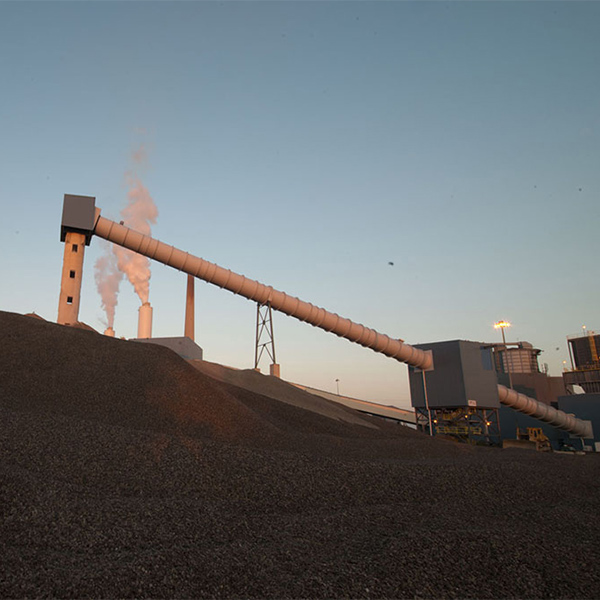
Michigan Democrats introduced climate bills that would end coal-fired electric generation by 2030 and mandate 100% renewable electric production by 2035.
NECEC
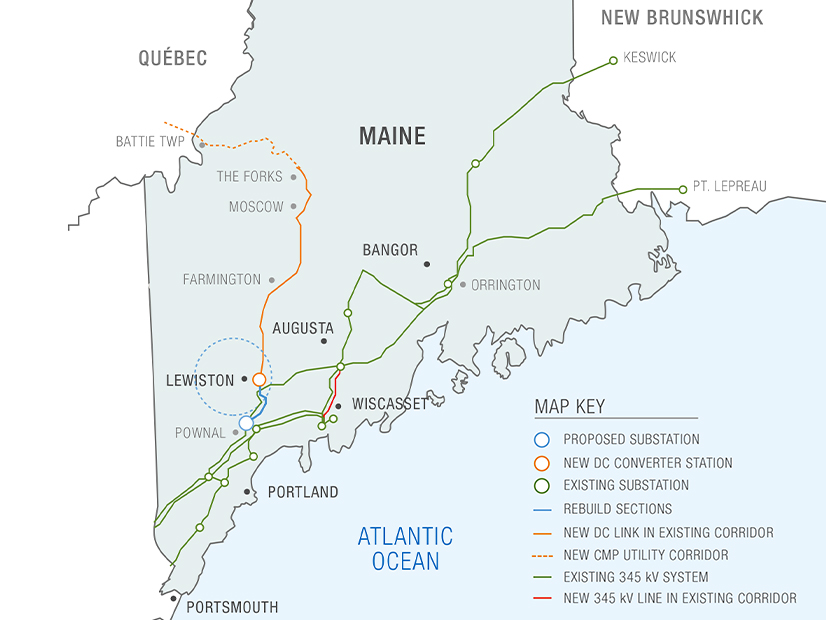
A jury ruled Avangrid can resume construction of the New England Clean Energy Connect, potentially voiding a voter referendum to block the $1 billion line.
© RTO Insider LLC
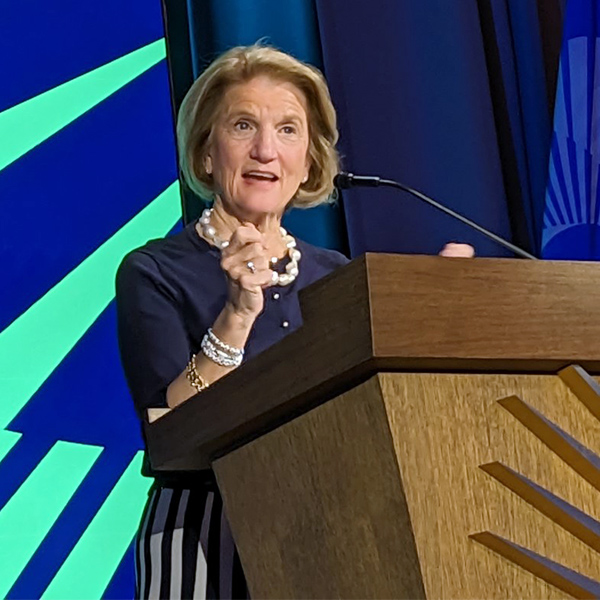
Congressional Democrats and Republicans both seek changes to federal permitting rules, but each party seeks to serve different ends.

Shutterstock
Electrify Now, an organization trying to speed electrification, took the counterintuitive step of inviting a natural gas utility to its webinar this week.
Want more? Advanced Search
