NetZero Insider
Agriculture & Land UseBuilding DecarbonizationCookingEnergy EfficiencySpace HeatingWater HeatingCommentary & Special ReportsConference coverageCompany NewsEquity & EconomicsEmployment & Economic ImpactEnvironmental & Social JusticeFederal PolicyCongressDepartment of EnergyLoan Programs Office (LPO)Department of TransportationEnvironmental Protection AgencyFederal Energy Regulatory CommissionGeneral Services Administration (GSA)Interior DepartmentBureau of Land ManagementBureau of Ocean Energy ManagementNuclear Regulatory CommissionTreasury DepartmentWhite HouseGeneration & FuelsBioenergyFossil FuelsCoalNatural GasGeothermalHydrogenNuclearSMRRenewable PowerCommunity solarHydropowerOffshore Wind PowerOnshore Wind PowerSolar PowerRooftop solarUtility scale solarImpact & AdaptationIndustrial DecarbonizationState and Local PolicyAlabamaArizonaCaliforniaCA LegislationCalifornia Air Resources Board (CARB)California Energy Commission (CEC)California Public Utilities Commission (CPUC)ColoradoConnecticutDelawareDistrict of ColumbiaFloridaGeorgiaHawaiiIdahoIllinoisIndianaKentuckyLouisianaMaineMarylandMassachusettsMichiganMinnesotaMississippiMissouriMontanaNevadaNew HampshireNew JerseyNew MexicoNew YorkNYSERDAPublic Service CommissionNorth CarolinaNorth DakotaOhioOntarioOregonPennsylvaniaRhode IslandSouth CarolinaTennesseeTexasUtahVermontVirginiaWashingtonWest VirginiaWisconsinWyomingTechnologyCarbon CaptureTransmission & DistributionEnergy StorageMicrogridsTransportation DecarbonizationAirplane DecarbonizationEV chargersHeavy-duty vehiclesBattery Electric Buses (BEB)Fuel Cell Electric Buses (FCEB)Light-duty vehiclesBattery Electric VehiclesFuel Cell VehiclesPlug-in hybrid electric vehiclesShip electrificationClean Ports
EIA
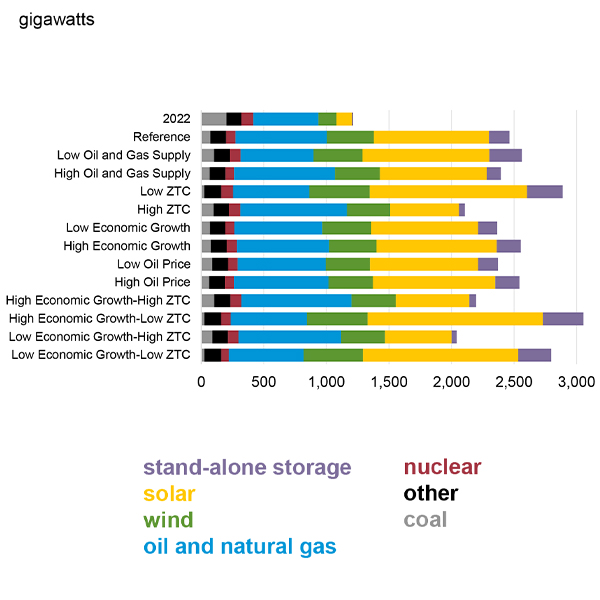
EIA projects the U.S. will be able to cut energy-related CO2 emissions 25 to 38% below 2005 levels by 2030, which falls short of President Biden’s target.
EPA
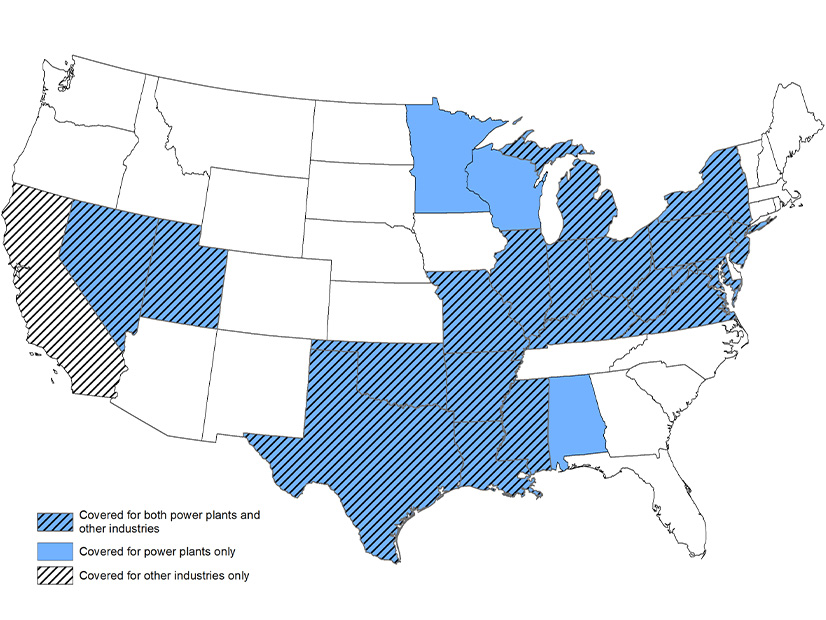
EPA announced details of its Good Neighbor Plan to slash emissions of smog-forming nitrogen oxides; the rules will affect power plants in 23 states.
BP
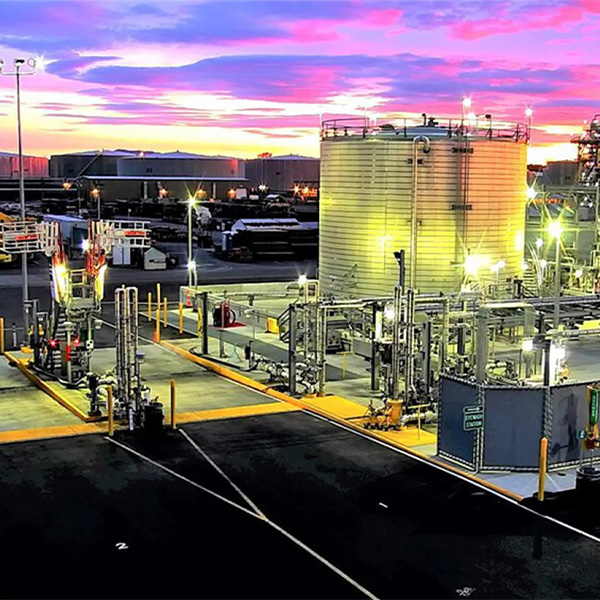
Washington carbon allowance prices will increase sharply as the state’s cap-and-trade program becomes better established, carbon market analysts said.
New York State Senate
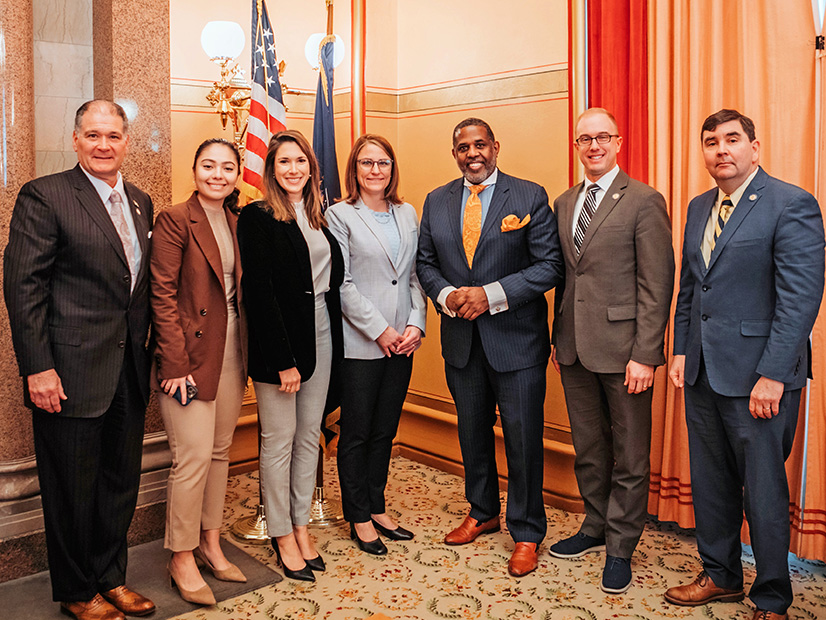
NYSERDA's Doreen Harris presented the challenges of New York’s energy transition plan as opportunities while speaking to state legislators.
Iowa Soybean Association
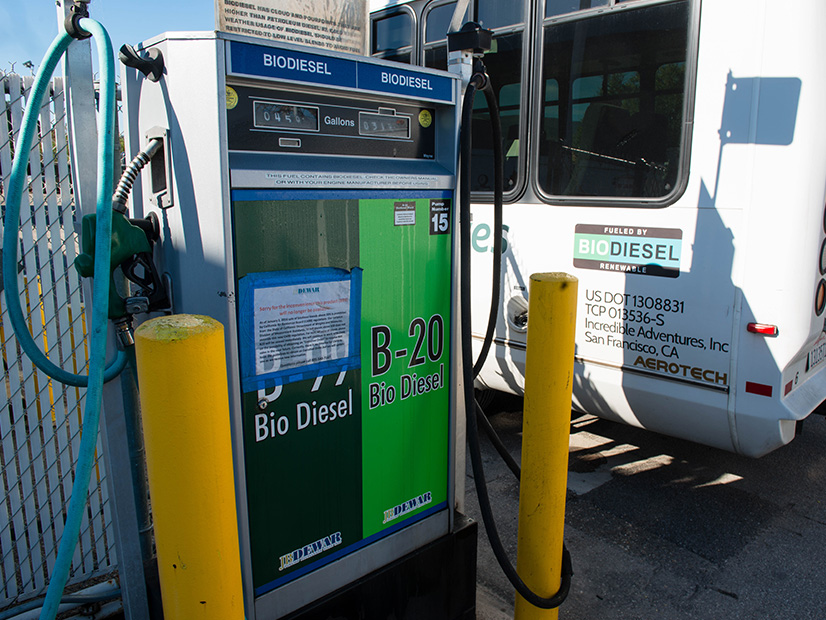
A bill that would establish a low-carbon fuel standard in New Mexico awaits a House vote as the state legislature races toward the end of the 2023 session.

EEA and Laurie O'Reilly
Massachusetts Energy and Environmental Affairs Secretary Rebecca Tepper appointed Jamie Van Nostrand and Staci Rubin to the Department of Public Utilities.
ChargePoint
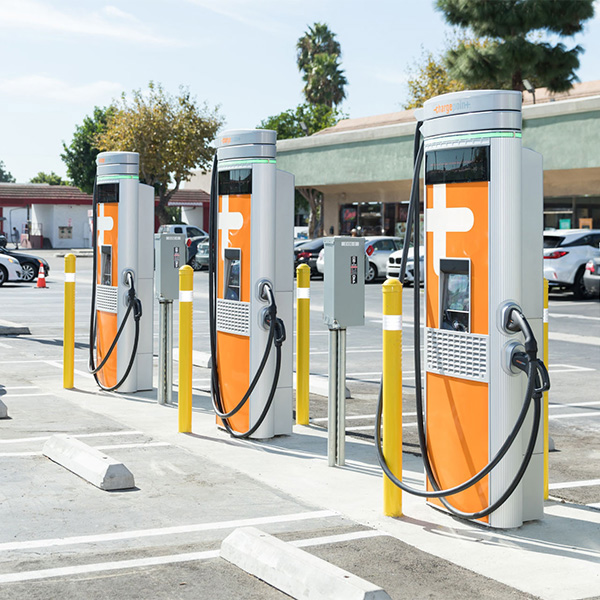
The U.S. Department of Transportation announced a new round of funding aimed at putting EV chargers “particularly in underserved and disadvantaged communities.”

Office of the Governor
Maryland will fast-track adoption of California’s ACCII rule, requiring that 100% of all new passenger cars sold in the state be zero-emission vehicles by 2035.
© RTO Insider LLC
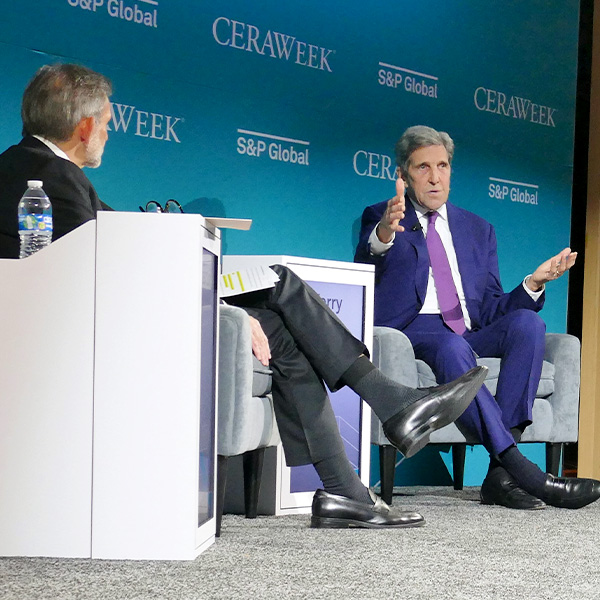
The energy transition and the march of technology were key highlights of CERAWeek by S&P Global, which attracted a record 7,200 attendees.
U.S. Senate Committee on Indian Affairs
Speakers at a WRI webinar said any updates to permitting necessary to meet long-term clean energy goals need to leave key environmental protections in place.
Want more? Advanced Search