
NetZero Insider
Agriculture & Land UseBuilding DecarbonizationCookingEnergy EfficiencySpace HeatingWater HeatingCommentary & Special ReportsConference coverageCompany NewsEquity & EconomicsEmployment & Economic ImpactEnvironmental & Social JusticeFederal PolicyCongressDepartment of EnergyLoan Programs Office (LPO)Department of TransportationEnvironmental Protection AgencyFederal Energy Regulatory CommissionGeneral Services Administration (GSA)Interior DepartmentBureau of Land ManagementBureau of Ocean Energy ManagementNuclear Regulatory CommissionTreasury DepartmentWhite HouseGeneration & FuelsBioenergyFossil FuelsCoalNatural GasGeothermalHydrogenNuclearSMRRenewable PowerCommunity solarHydropowerOffshore Wind PowerOnshore Wind PowerSolar PowerRooftop solarUtility scale solarImpact & AdaptationIndustrial DecarbonizationState and Local PolicyAlabamaArizonaCaliforniaCA LegislationCalifornia Air Resources Board (CARB)California Energy Commission (CEC)California Public Utilities Commission (CPUC)ColoradoConnecticutDelawareDistrict of ColumbiaFloridaGeorgiaHawaiiIdahoIllinoisIndianaKentuckyLouisianaMaineMarylandMassachusettsMichiganMinnesotaMississippiMissouriMontanaNevadaNew HampshireNew JerseyNew MexicoNew YorkNYSERDAPublic Service CommissionNorth CarolinaNorth DakotaOhioOntarioOregonPennsylvaniaRhode IslandSouth CarolinaTennesseeTexasUtahVermontVirginiaWashingtonWest VirginiaWisconsinWyomingTechnologyCarbon CaptureTransmission & DistributionEnergy StorageMicrogridsTransportation DecarbonizationAirplane DecarbonizationEV chargersHeavy-duty vehiclesBattery Electric Buses (BEB)Fuel Cell Electric Buses (FCEB)Light-duty vehiclesBattery Electric VehiclesFuel Cell VehiclesPlug-in hybrid electric vehiclesShip electrificationClean Ports
Eversource Energy
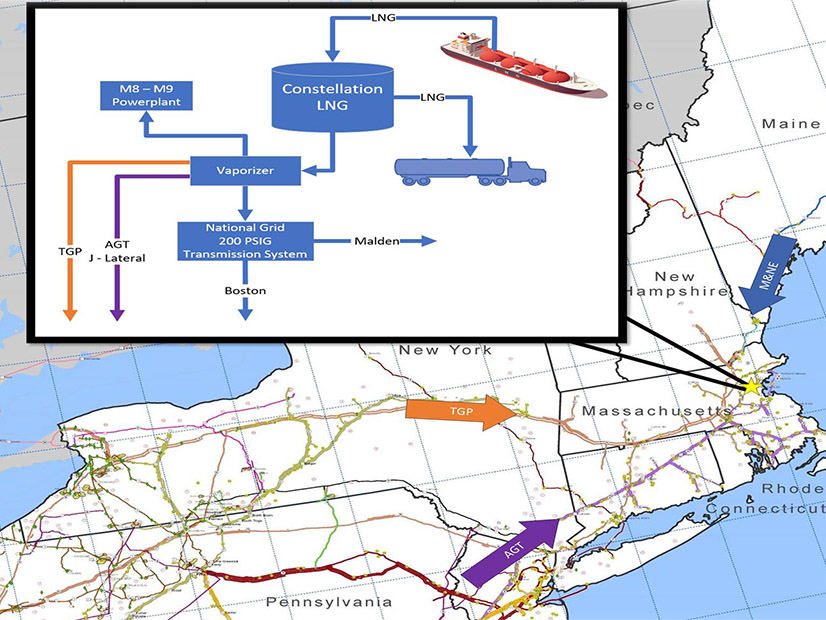
The Everett Marine Terminal will be needed to preserve the reliability of the Boston-area gas system beyond the 2030 expiration date of the facility’s current utility contracts, gas companies told regulators in recent filings.
Vistra
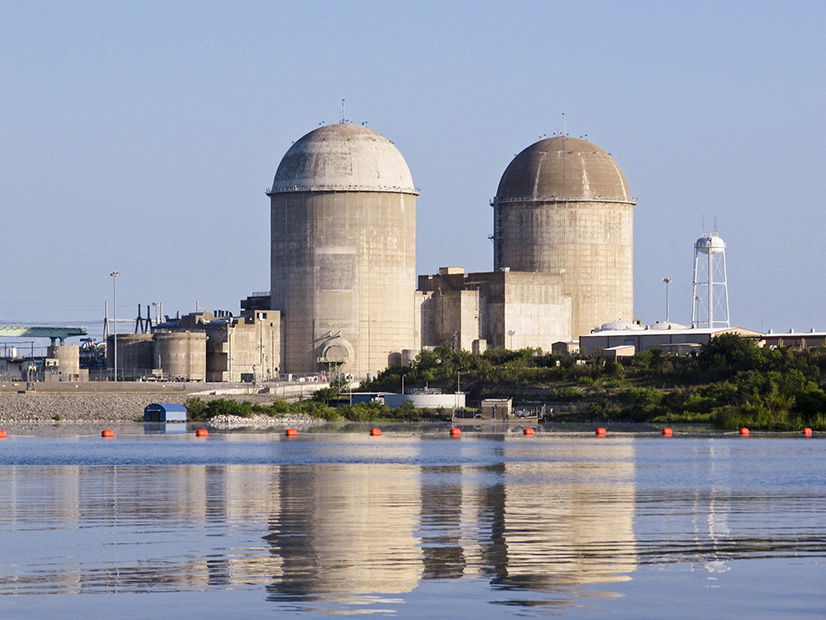
Texas opened applications for $350 million in advanced nuclear grants through the Texas Advanced Nuclear Development Fund to support the state's nuclear energy industry.
Office of the Governor of Virginia
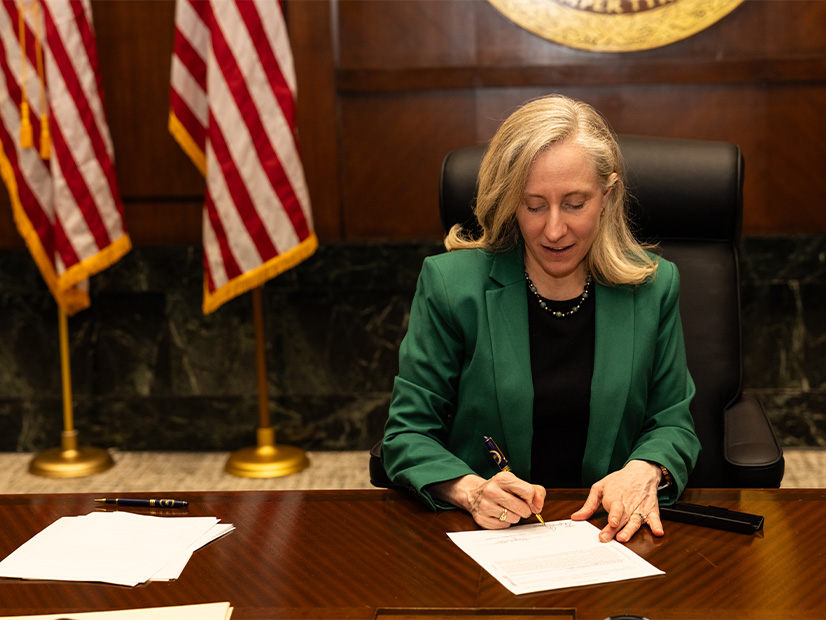
Virginia Gov. Abigail Spanberger signed the first set of bills of her tenure, including a number of energy provisions passed at the recent legislative session.

SPP
At the very moment grid operators are being asked to plan for unprecedented complexity, the public data infrastructure that underpins those decisions is becoming less reliable, writes columnist Dej Knuckey.

IPPNY / Tim Raab
Generation industry representatives and their allies united behind a call to loosen New York’s climate law to allow the repowering of old fossil fuel plants with new natural gas turbines at the Independent Power Producers of New York’s 40th annual Spring Conference.

ISO-NE
The spring quarterly meeting of the ISO-NE Consumer Liaison Group revolved around the growing risks of climate-driven extreme weather events in Vermont and across the broader New England region.

Shutterstock
PacifiCorp is preparing to bring online enough long-term clean energy resources to help the utility meet Washington's strict greenhouse gas targets by 2030.

Shutterstock
Puget Sound Energy and Avista told the Washington Utilities and Transportation Commission they have taken steps to build clean energy resources quickly to qualify for expiring federal tax credits, while voicing concern that limited transmission capacity and the state’s greenhouse gas targets pose challenges.

© RTO Insider
The Department of the Interior announced an agreement with TotalEnergies for the company to give up offshore wind leases.

GE Vernova
A new report by a nuclear advocacy organization lays out some of the obstacles facing the imagined U.S. nuclear renaissance and suggests ways to address them.
Want more? Advanced Search
