NetZero Insider
Agriculture & Land UseBuilding DecarbonizationCookingEnergy EfficiencySpace HeatingWater HeatingCommentary & Special ReportsConference coverageCompany NewsEquity & EconomicsEmployment & Economic ImpactEnvironmental & Social JusticeFederal PolicyCongressDepartment of EnergyLoan Programs Office (LPO)Department of TransportationEnvironmental Protection AgencyFederal Energy Regulatory CommissionGeneral Services Administration (GSA)Interior DepartmentBureau of Land ManagementBureau of Ocean Energy ManagementNuclear Regulatory CommissionTreasury DepartmentWhite HouseGeneration & FuelsBioenergyFossil FuelsCoalNatural GasGeothermalHydrogenNuclearSMRRenewable PowerCommunity solarHydropowerOffshore Wind PowerOnshore Wind PowerSolar PowerRooftop solarUtility scale solarImpact & AdaptationIndustrial DecarbonizationState and Local PolicyAlabamaArizonaCaliforniaCA LegislationCalifornia Air Resources Board (CARB)California Energy Commission (CEC)California Public Utilities Commission (CPUC)ColoradoConnecticutDelawareDistrict of ColumbiaFloridaGeorgiaHawaiiIdahoIllinoisIndianaKentuckyLouisianaMaineMarylandMassachusettsMichiganMinnesotaMississippiMissouriMontanaNevadaNew HampshireNew JerseyNew MexicoNew YorkNYSERDAPublic Service CommissionNorth CarolinaNorth DakotaOhioOntarioOregonPennsylvaniaRhode IslandSouth CarolinaTennesseeTexasUtahVermontVirginiaWashingtonWest VirginiaWisconsinWyomingTechnologyCarbon CaptureTransmission & DistributionEnergy StorageMicrogridsTransportation DecarbonizationAirplane DecarbonizationEV chargersHeavy-duty vehiclesBattery Electric Buses (BEB)Fuel Cell Electric Buses (FCEB)Light-duty vehiclesBattery Electric VehiclesFuel Cell VehiclesPlug-in hybrid electric vehiclesShip electrificationClean Ports
NC Clean Energy Technology Center
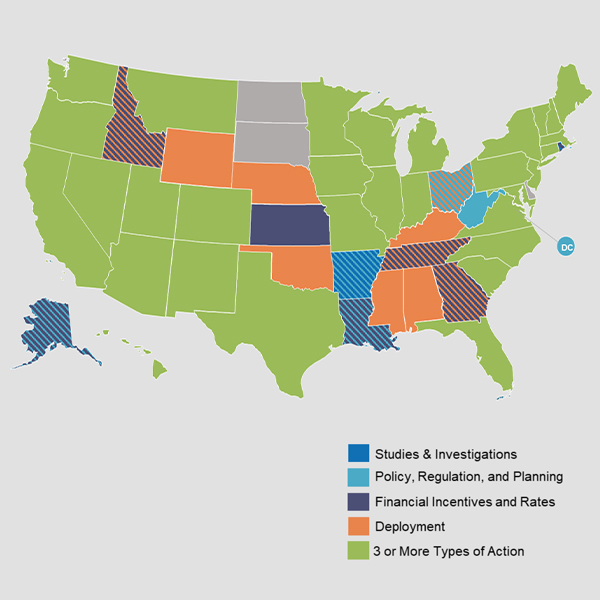
States need to fund, shape and incentivize projects that contribute to their emission-reduction goals, a speaker told New Jersey’s Clean Energy Conference.

Lawrence Berkeley National Laboratory
Residential solar-plus-storage systems can in some cases meet nearly all of a home’s critical load during extended power outages, according to a new study.
Air Products
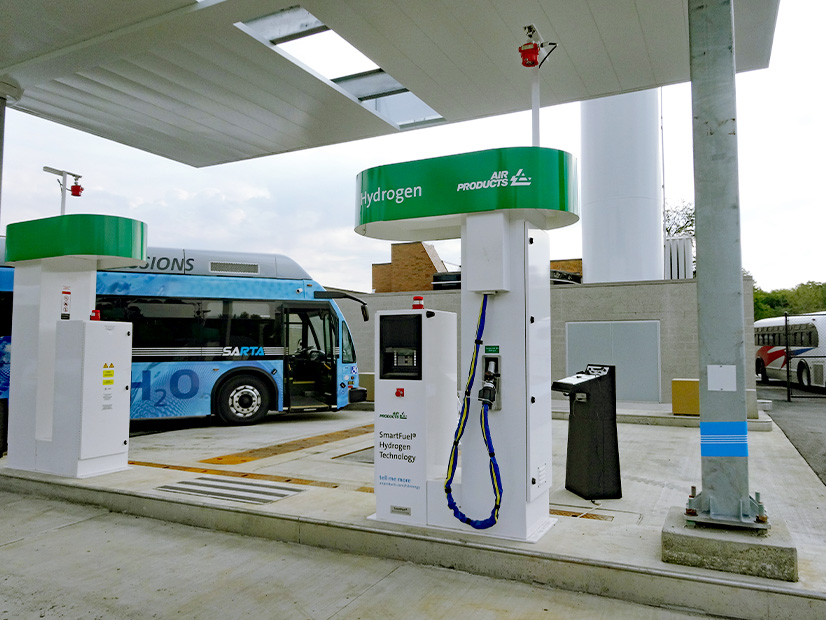
Air Products plans to spend about $500 million to build a plant in New York that would produce 35 metric tons of liquid hydrogen a day for use as vehicle fuel.
AFLEET 2020, World Resources Ins
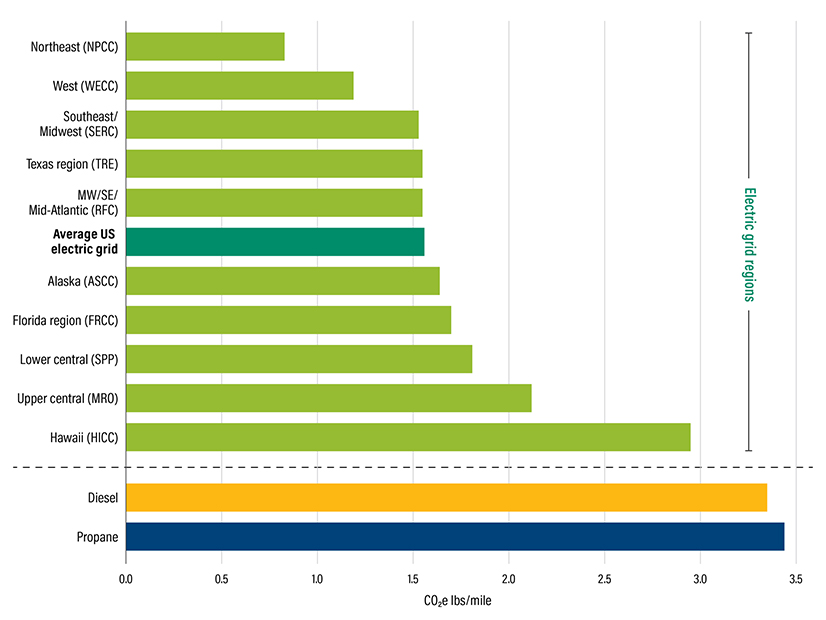
EPA announced it's nearly doubling the funds available from the Infrastructure Investment and Jobs Act for the Clean School Bus Program in 2022 to $965 million.
Office of the Governor of California
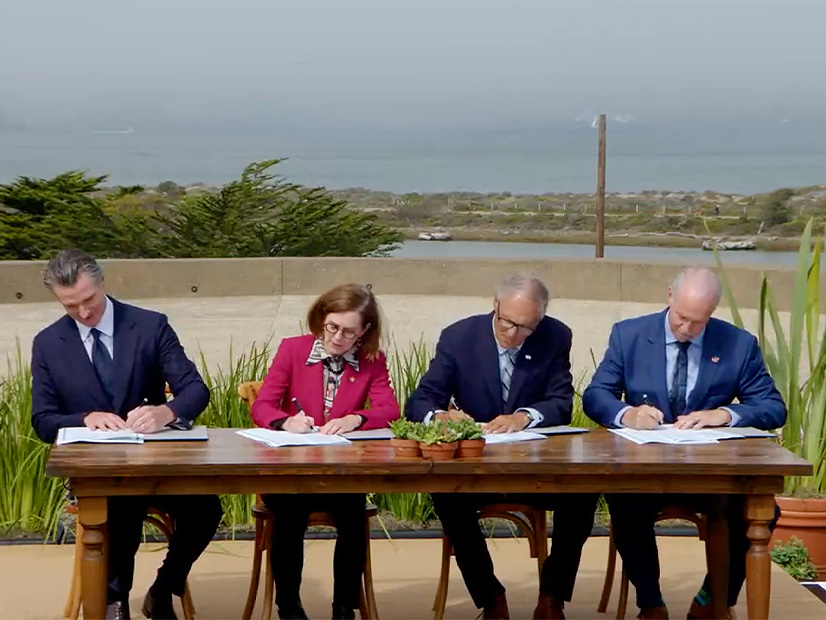
Leaders from the three West Coast states and the Canadian province of British Columbia signed an agreement pledging to cooperate on climate change measures.
TVA
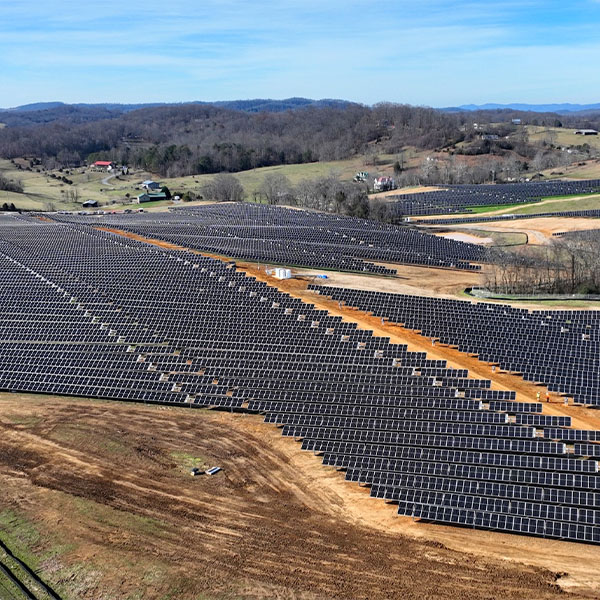
DOE is seeking input from the public on how to use the Defense Production Act authority that President Biden granted it to improve power grid reliability.
© RTO Insider LLC
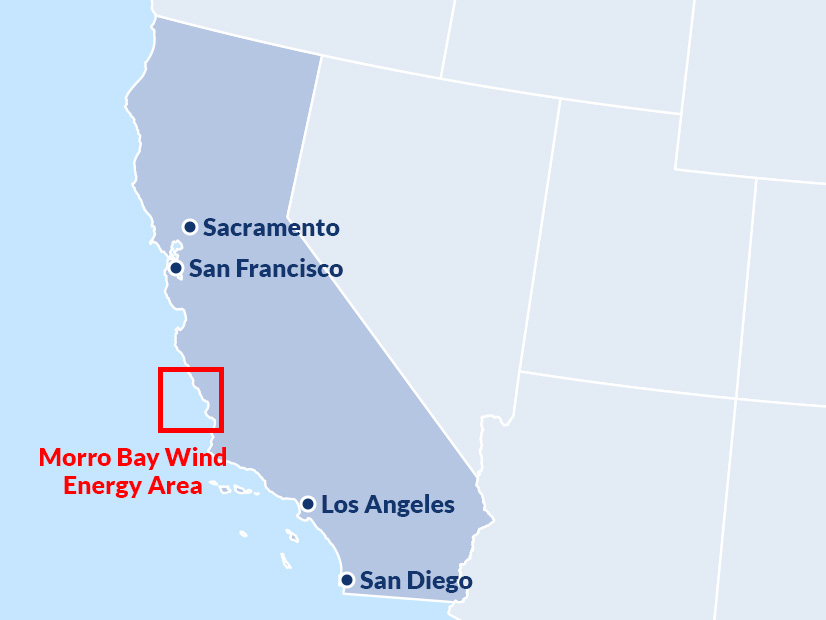
A new finding by the U.S. Bureau of Energy Management means California could see its first offshore wind lease auctions by the end of the year.
Shutterstock
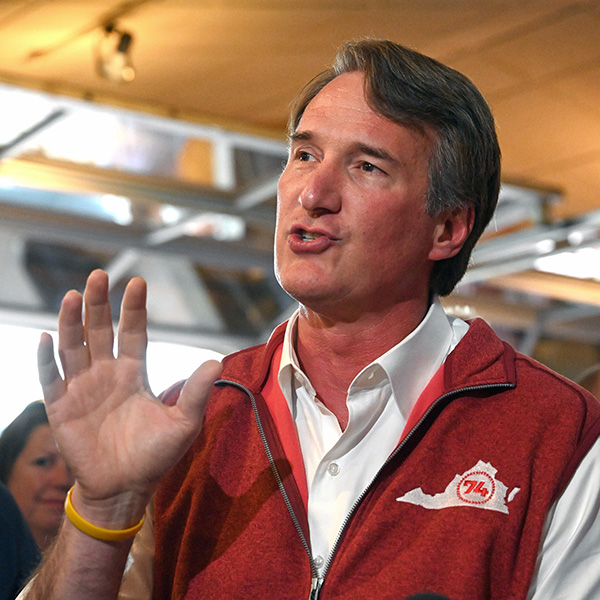
Gov. Youngkin's energy plan focuses on developing still-untested carbon-free resources alongside current renewable technology to make up for lost capacity.
Duke Energy
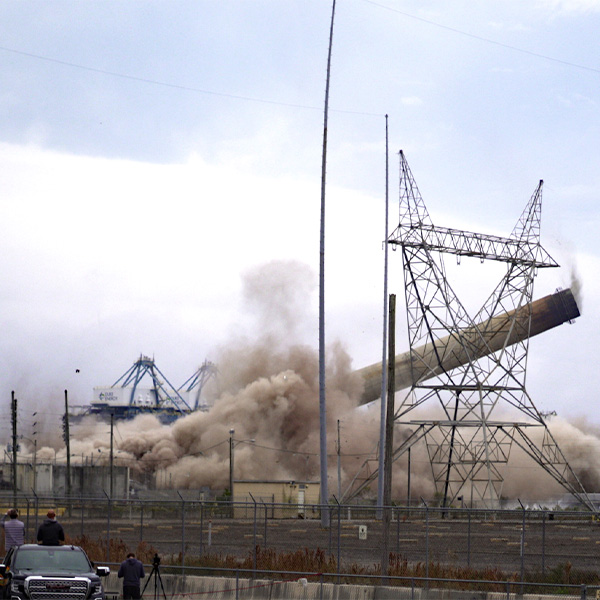
Duke Energy estimated the cost of its clean energy transition plans at $145 billion over the next decade, $10 billion more than its previous 10-year plan.
© RTO Insider LLC
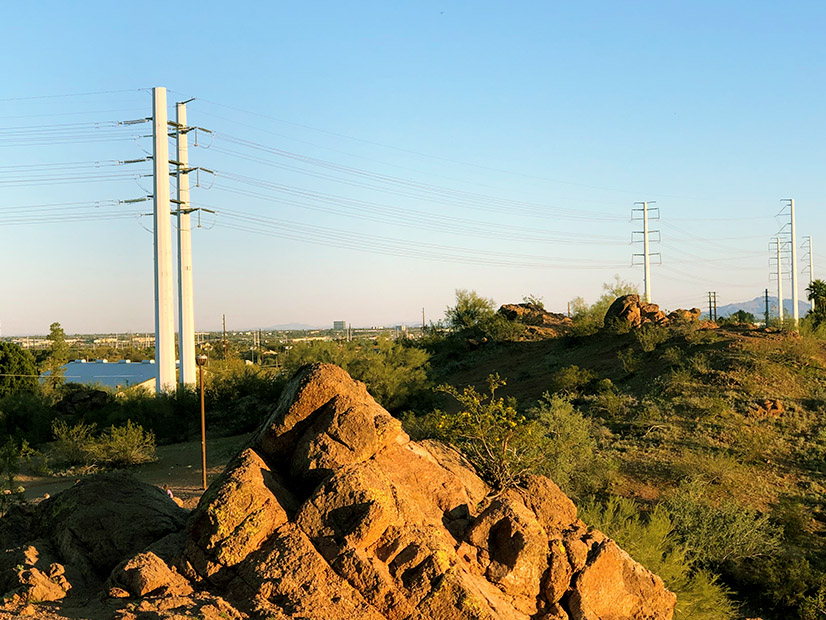
The Western Markets Exploratory Group made a rare public presentation at CREPC-WIRAB of its behind-the-scenes work evaluating market options for the West.
Want more? Advanced Search