NetZero Insider
Agriculture & Land UseBuilding DecarbonizationCookingEnergy EfficiencySpace HeatingWater HeatingCommentary & Special ReportsConference coverageCompany NewsEquity & EconomicsEmployment & Economic ImpactEnvironmental & Social JusticeFederal PolicyCongressDepartment of EnergyLoan Programs Office (LPO)Department of TransportationEnvironmental Protection AgencyFederal Energy Regulatory CommissionGeneral Services Administration (GSA)Interior DepartmentBureau of Land ManagementBureau of Ocean Energy ManagementNuclear Regulatory CommissionTreasury DepartmentWhite HouseGeneration & FuelsBioenergyFossil FuelsCoalNatural GasGeothermalHydrogenNuclearSMRRenewable PowerCommunity solarHydropowerOffshore Wind PowerOnshore Wind PowerSolar PowerRooftop solarUtility scale solarImpact & AdaptationIndustrial DecarbonizationState and Local PolicyAlabamaArizonaCaliforniaCA LegislationCalifornia Air Resources Board (CARB)California Energy Commission (CEC)California Public Utilities Commission (CPUC)ColoradoConnecticutDelawareDistrict of ColumbiaFloridaGeorgiaHawaiiIdahoIllinoisIndianaKentuckyLouisianaMaineMarylandMassachusettsMichiganMinnesotaMississippiMissouriMontanaNevadaNew HampshireNew JerseyNew MexicoNew YorkNYSERDAPublic Service CommissionNorth CarolinaNorth DakotaOhioOntarioOregonPennsylvaniaRhode IslandSouth CarolinaTennesseeTexasUtahVermontVirginiaWashingtonWest VirginiaWisconsinWyomingTechnologyCarbon CaptureTransmission & DistributionEnergy StorageMicrogridsTransportation DecarbonizationAirplane DecarbonizationEV chargersHeavy-duty vehiclesBattery Electric Buses (BEB)Fuel Cell Electric Buses (FCEB)Light-duty vehiclesBattery Electric VehiclesFuel Cell VehiclesPlug-in hybrid electric vehiclesShip electrificationClean Ports
DOE
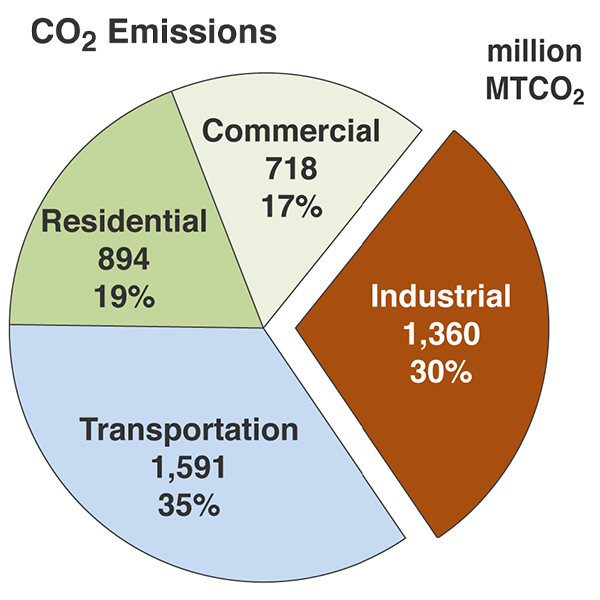
The U.S. steel industry can cut its carbon emissions almost to zero by 2050 while increasing production by 12%, according to a new DOE roadmap.
TurningPoint
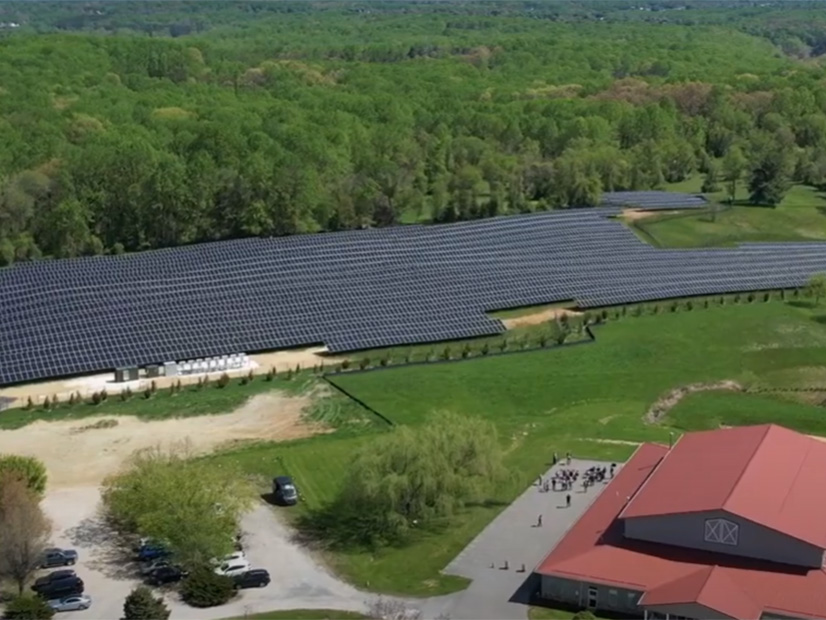
Maryland’s community solar pilot program continues to face challenges, with only 59 MW of capacity online, one-tenth of the 600 MW allowed.

Shutterstock
NYSERDA issued an update on the potential challenges to routing transmission cables to the fleet of wind turbines planned off the New York coast.
National Centers for Environmental Information
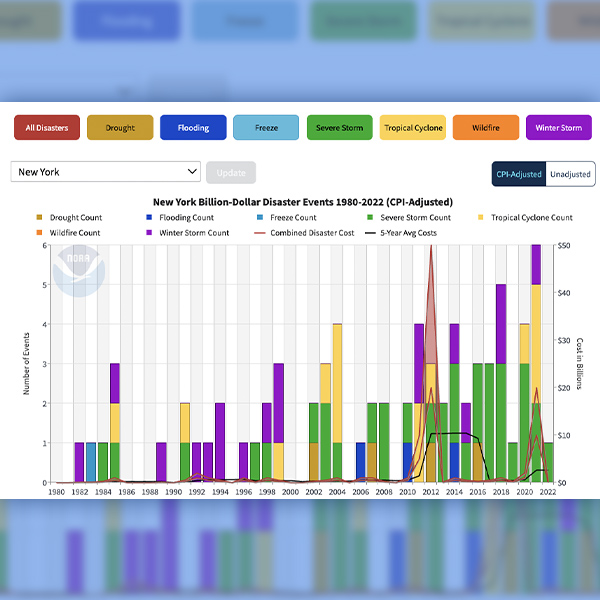
Governor Hochul announced a $6.5 million investment that will support clean technology adoption by better managing financial risks related to climate change.
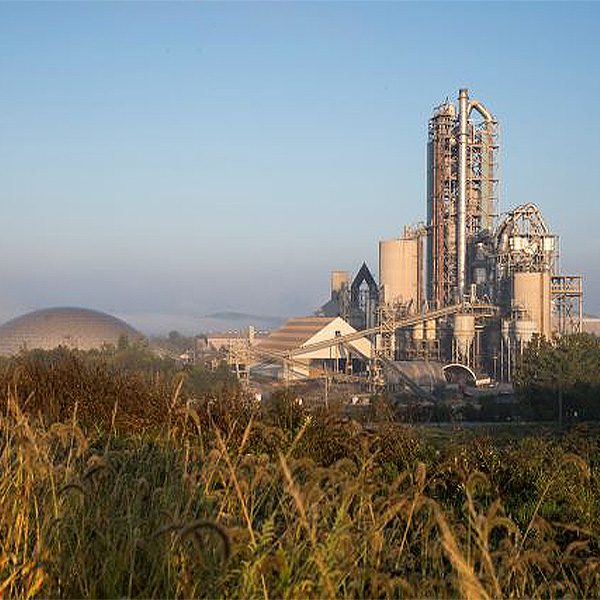
Lehigh Hanson
The Maryland Climate Change Commission discussed efforts to expand public transportation and reduce emissions from cement manufacturing at a recent meeting.
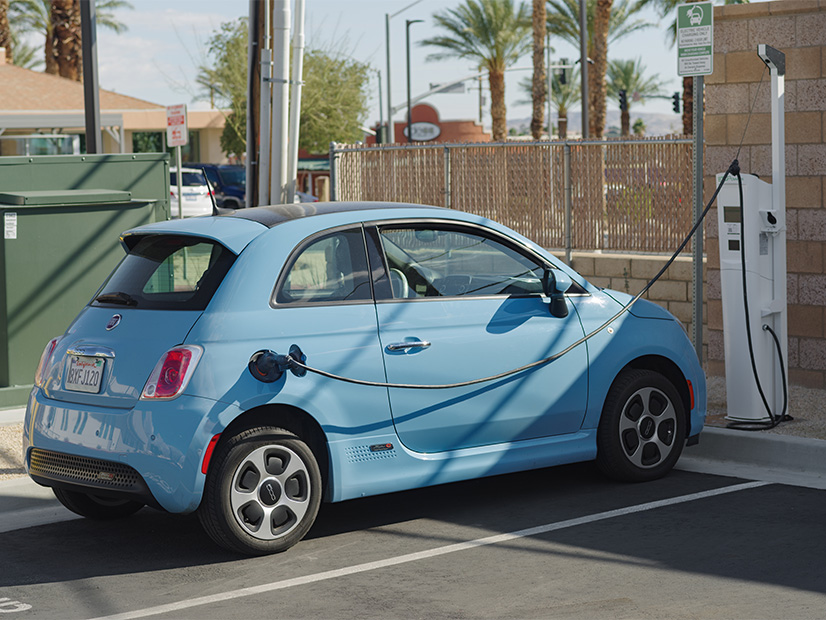
Shutterstock
With a provision for PHEVs, California’s Advanced Clean Cars II regulations won’t completely eliminate internal combustion engines in new vehicles.
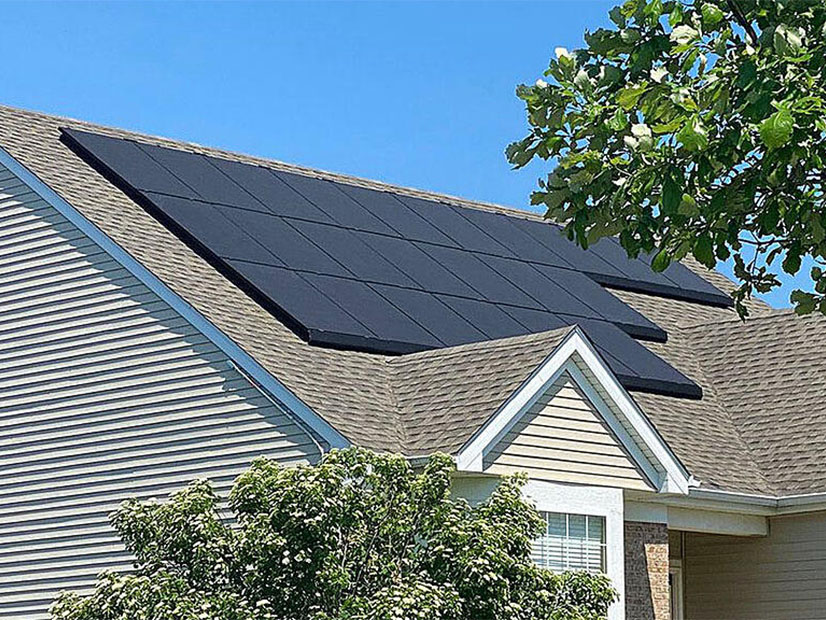
Summit Solar
Virginia is reconsidering how to launch a solar pilot program for low-to-moderate-income residents after an RFP closed without any submissions.
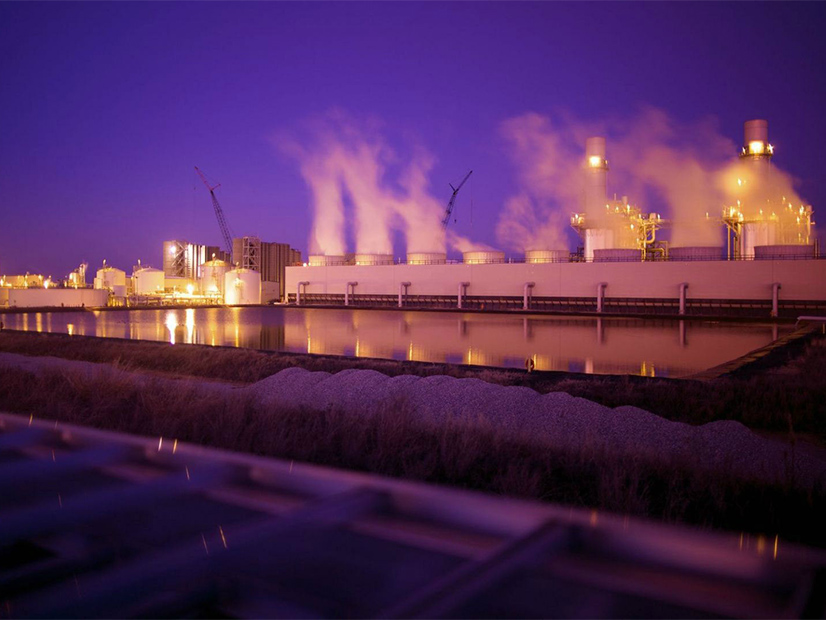
Fluor
Brazos Electric has offered to pay ERCOT as much as $1.44 billion, settling its dispute with the Texas grid operator over market prices after the winter storm.
PG&E
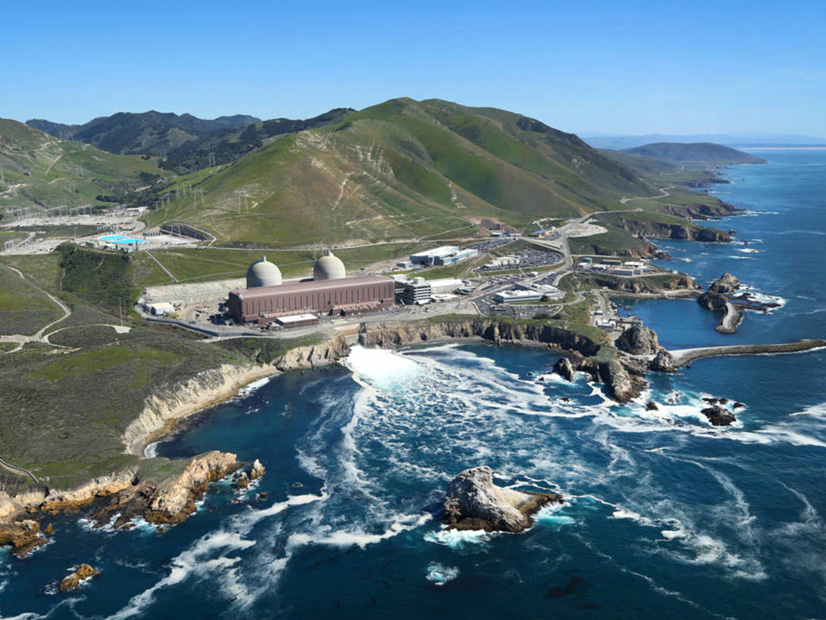
On the last night of the legislative session, lawmakers passed bills to extend the life of Diablo Canyon and increase GHG reduction and clean energy targets.
California Governor's Office
Gov. Gavin Newsom proclaimed a state of emergency to increase energy production and reduce demand in response to a heat wave hitting California.
Want more? Advanced Search