NetZero Insider
Agriculture & Land UseBuilding DecarbonizationCookingEnergy EfficiencySpace HeatingWater HeatingCommentary & Special ReportsConference coverageCompany NewsEquity & EconomicsEmployment & Economic ImpactEnvironmental & Social JusticeFederal PolicyCongressDepartment of EnergyLoan Programs Office (LPO)Department of TransportationEnvironmental Protection AgencyFederal Energy Regulatory CommissionGeneral Services Administration (GSA)Interior DepartmentBureau of Land ManagementBureau of Ocean Energy ManagementNuclear Regulatory CommissionTreasury DepartmentWhite HouseGeneration & FuelsBioenergyFossil FuelsCoalNatural GasGeothermalHydrogenNuclearSMRRenewable PowerCommunity solarHydropowerOffshore Wind PowerOnshore Wind PowerSolar PowerRooftop solarUtility scale solarImpact & AdaptationIndustrial DecarbonizationState and Local PolicyAlabamaArizonaCaliforniaCA LegislationCalifornia Air Resources Board (CARB)California Energy Commission (CEC)California Public Utilities Commission (CPUC)ColoradoConnecticutDelawareDistrict of ColumbiaFloridaGeorgiaHawaiiIdahoIllinoisIndianaKentuckyLouisianaMaineMarylandMassachusettsMichiganMinnesotaMississippiMissouriMontanaNevadaNew HampshireNew JerseyNew MexicoNew YorkNYSERDAPublic Service CommissionNorth CarolinaNorth DakotaOhioOntarioOregonPennsylvaniaRhode IslandSouth CarolinaTennesseeTexasUtahVermontVirginiaWashingtonWest VirginiaWisconsinWyomingTechnologyCarbon CaptureTransmission & DistributionEnergy StorageMicrogridsTransportation DecarbonizationAirplane DecarbonizationEV chargersHeavy-duty vehiclesBattery Electric Buses (BEB)Fuel Cell Electric Buses (FCEB)Light-duty vehiclesBattery Electric VehiclesFuel Cell VehiclesPlug-in hybrid electric vehiclesShip electrificationClean Ports
Oak Ridge National Laboratory
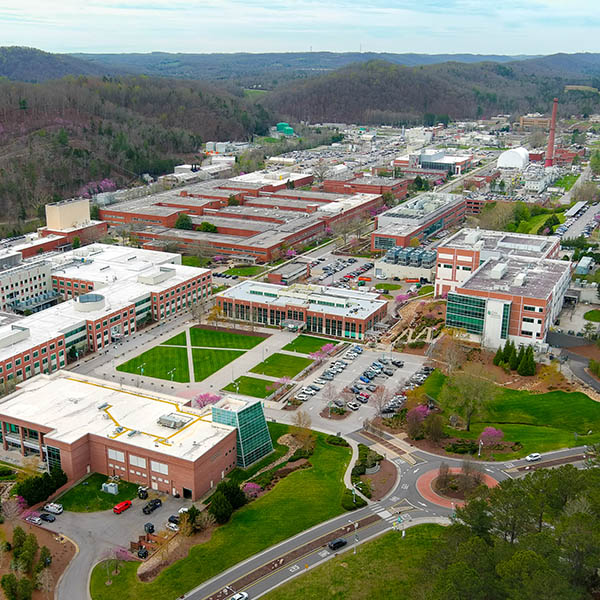
Nuclear energy got at least a temporary boost as the reconciliation bill hashed out in the House of Representatives spared it from most of the policy changes aimed at other forms of clean energy.
EVgo
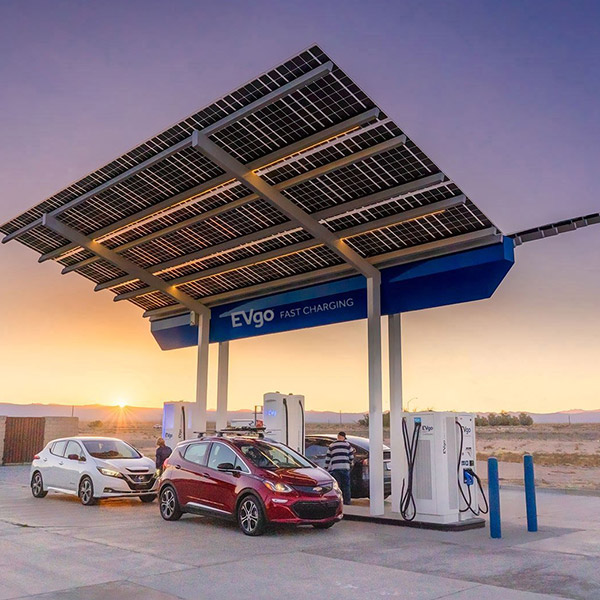
The U.S. Senate approved a resolution under the Congressional Review Act that would end California's EV mandate.
Lyons Falls Hydro
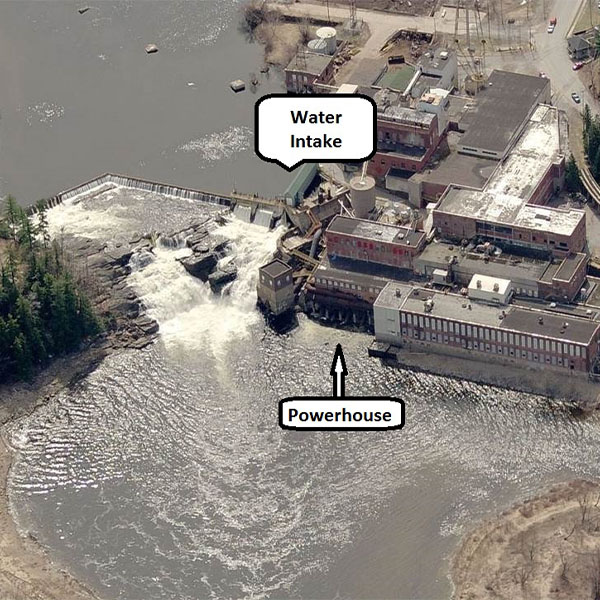
New York has executed renewable energy certificate contracts for 26 solar, wind and hydro projects to help meet its clean energy goals.

Sif Group
BOEM lifted a stop-work order on the Empire Wind 1 project in a deal that will have New York work on expanding pipelines into the Northeast, a goal the White House has publicly sought since shortly after President Trump took office.

EIA
Federal analysts expect U.S. hydropower generation to increase 7.5% over 2024 totals, which were the lowest in at least 14 years.

GE Vernova
The Tennessee Valley Authority crossed a milestone May 20, becoming the first U.S. utility to request a construction permit for a small modular nuclear reactor.

GE Hitachi Nuclear Energy
Experience with small modular reactors (like other nuclear) is for massive cost overruns, writes columnist Steve Huntoon.

Shutterstock
New York’s major utilities and its energy development entity have been cleared to administer $5 billion for energy efficiency and building electrification through 2030.
© RTO Insider
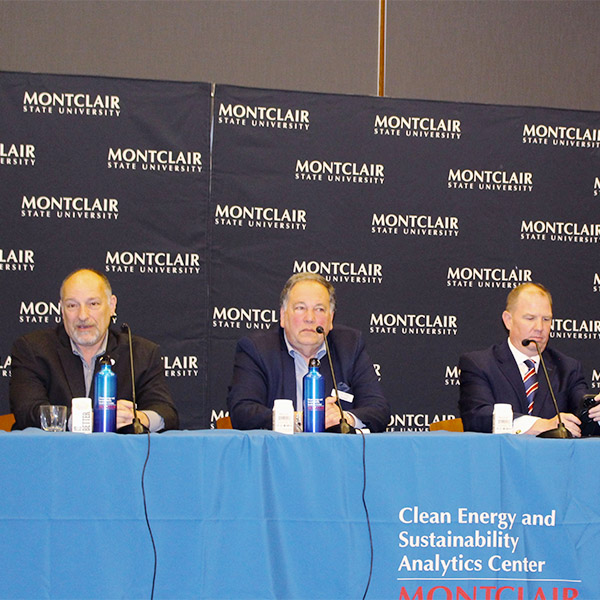
The amount of stress to the grid posed by data centers is so uncertain it could hamper New Jersey’s effort to plan new generation and transmission, speakers at a clean energy conference said.
Shutterstock
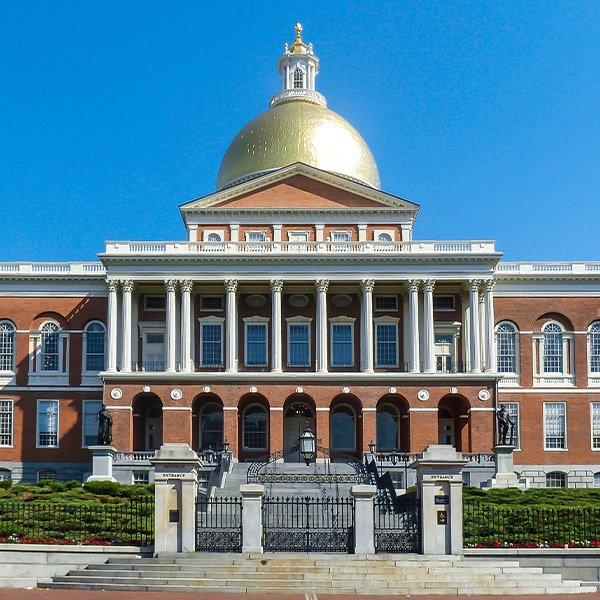
Massachusetts Gov. Maura Healey has filed a major energy bill that her administration says would save ratepayers $10 billion over the next decade.
Want more? Advanced Search