NetZero Insider
Agriculture & Land UseBuilding DecarbonizationCookingEnergy EfficiencySpace HeatingWater HeatingCommentary & Special ReportsConference coverageCompany NewsEquity & EconomicsEmployment & Economic ImpactEnvironmental & Social JusticeFederal PolicyCongressDepartment of EnergyLoan Programs Office (LPO)Department of TransportationEnvironmental Protection AgencyFederal Energy Regulatory CommissionGeneral Services Administration (GSA)Interior DepartmentBureau of Land ManagementBureau of Ocean Energy ManagementNuclear Regulatory CommissionTreasury DepartmentWhite HouseGeneration & FuelsBioenergyFossil FuelsCoalNatural GasGeothermalHydrogenNuclearSMRRenewable PowerCommunity solarHydropowerOffshore Wind PowerOnshore Wind PowerSolar PowerRooftop solarUtility scale solarImpact & AdaptationIndustrial DecarbonizationState and Local PolicyAlabamaArizonaCaliforniaCA LegislationCalifornia Air Resources Board (CARB)California Energy Commission (CEC)California Public Utilities Commission (CPUC)ColoradoConnecticutDelawareDistrict of ColumbiaFloridaGeorgiaHawaiiIdahoIllinoisIndianaKentuckyLouisianaMaineMarylandMassachusettsMichiganMinnesotaMississippiMissouriMontanaNevadaNew HampshireNew JerseyNew MexicoNew YorkNYSERDAPublic Service CommissionNorth CarolinaNorth DakotaOhioOntarioOregonPennsylvaniaRhode IslandSouth CarolinaTennesseeTexasUtahVermontVirginiaWashingtonWest VirginiaWisconsinWyomingTechnologyCarbon CaptureTransmission & DistributionEnergy StorageMicrogridsTransportation DecarbonizationAirplane DecarbonizationEV chargersHeavy-duty vehiclesBattery Electric Buses (BEB)Fuel Cell Electric Buses (FCEB)Light-duty vehiclesBattery Electric VehiclesFuel Cell VehiclesPlug-in hybrid electric vehiclesShip electrificationClean Ports
Rystad Energy
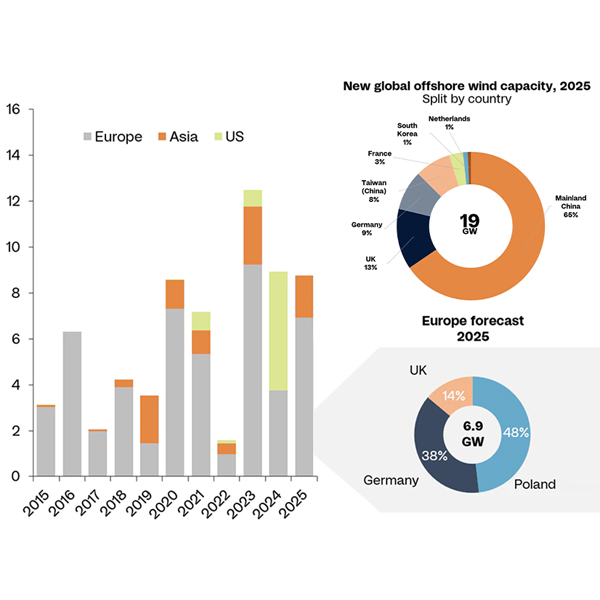
Rystad Energy expects capacity additions to reach 19 GW and expenditures to reach $80 billion — substantially more than the roughly 8 GW and 10 GW seen in 2024 and 2023, respectively.

© RTO Insider LLC
Legal experts are trying to untangle the legalities of executive orders and actions in the six weeks since President Donald Trump was inaugurated, along with the impact of major court decisions like Loper Bright.
Brattle Group
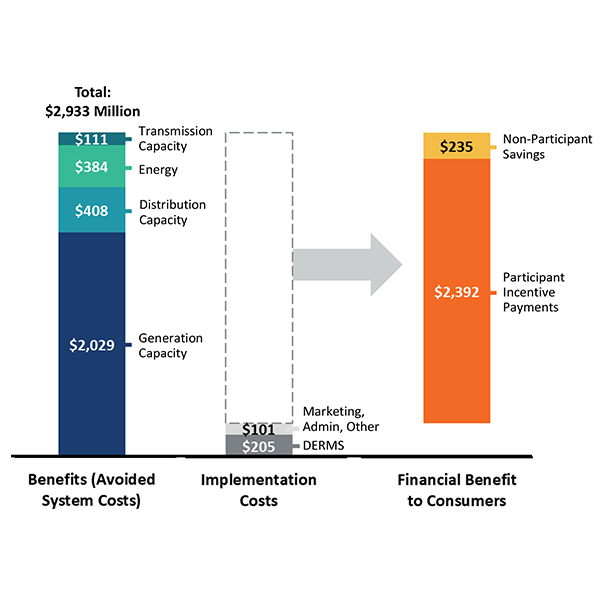
A Brattle Group study found that New York could achieve 8.5 GW in “grid flexibility” measures by 2040, saving consumers more than $2 billion a year.
Helion
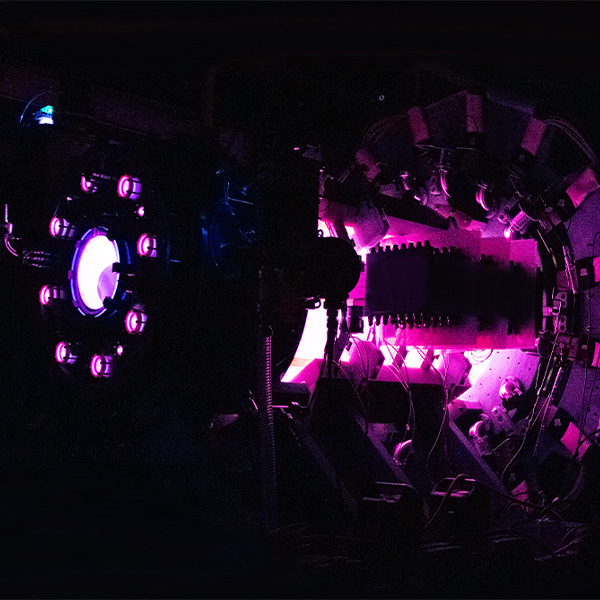
House Bill 1018 would allow developers of fusion projects to approach either the Washington state government or appropriate county government for permission to build on a parcel of land in the state.

© RTO Insider LLC
Participants at the National Association of Regulatory Utility Commissioners’ Winter Policy Summit emphasized the need for additional investment in the grid.

© RTO Insider LLC
While the majority of IRA tax credits and incentives have gone to develop clean energy projects in Republican districts and states, House leadership leans heavily toward fossil fuel-producing states,
SouthCoast Wind Energy LLC
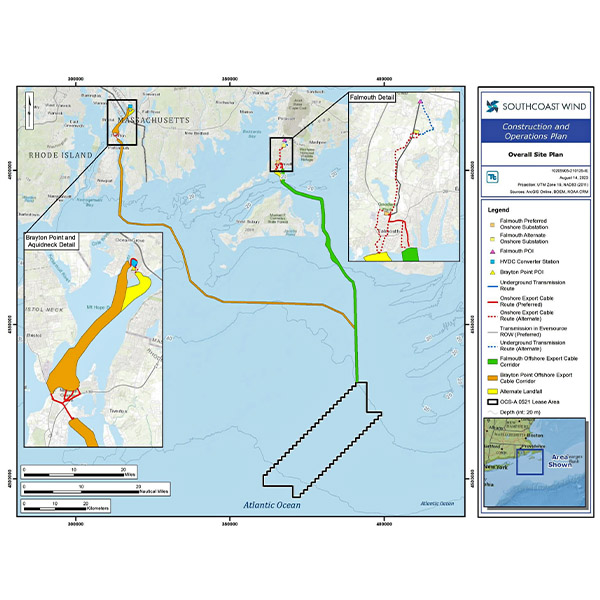
Another mature offshore wind project is facing financial write-downs and a potential yearslong delay in the wake of the Trump administration’s moves to shut the sector down.

© RTO Insider LLC
One of the major topics at NARUC's Winter Policy Summit was demand growth driven by data centers, which brings plenty of uncertainty with it.
Connecticut Executive and Legislative Nominations Committee
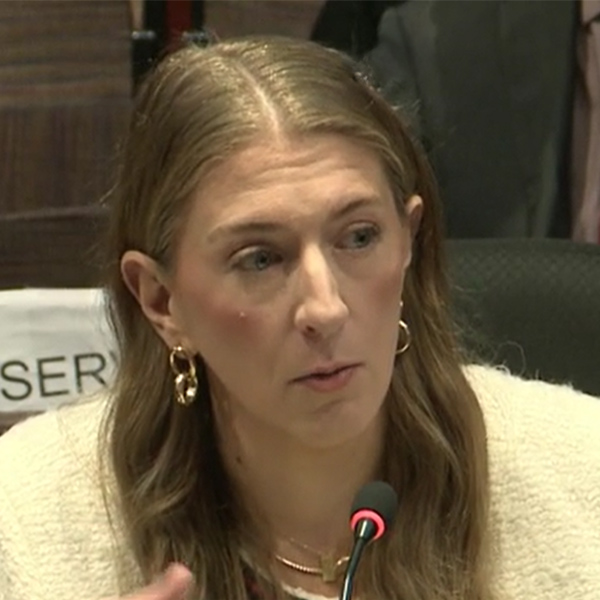
Marissa Gillett, the top regulator at the Connecticut PURA, is poised to be reappointed amid utility lawsuits and outcry about the state’s regulatory environment.

Holtec International
Holtec has set a 2030 target for commercial operation of two small modular reactors to be built beside the large nuclear plant it is working to restart in Michigan.
Want more? Advanced Search