NetZero Insider
Agriculture & Land UseBuilding DecarbonizationCookingEnergy EfficiencySpace HeatingWater HeatingCommentary & Special ReportsConference coverageCompany NewsEquity & EconomicsEmployment & Economic ImpactEnvironmental & Social JusticeFederal PolicyCongressDepartment of EnergyLoan Programs Office (LPO)Department of TransportationEnvironmental Protection AgencyFederal Energy Regulatory CommissionGeneral Services Administration (GSA)Interior DepartmentBureau of Land ManagementBureau of Ocean Energy ManagementNuclear Regulatory CommissionTreasury DepartmentWhite HouseGeneration & FuelsBioenergyFossil FuelsCoalNatural GasGeothermalHydrogenNuclearSMRRenewable PowerCommunity solarHydropowerOffshore Wind PowerOnshore Wind PowerSolar PowerRooftop solarUtility scale solarImpact & AdaptationIndustrial DecarbonizationState and Local PolicyAlabamaArizonaCaliforniaCA LegislationCalifornia Air Resources Board (CARB)California Energy Commission (CEC)California Public Utilities Commission (CPUC)ColoradoConnecticutDelawareDistrict of ColumbiaFloridaGeorgiaHawaiiIdahoIllinoisIndianaKentuckyLouisianaMaineMarylandMassachusettsMichiganMinnesotaMississippiMissouriMontanaNevadaNew HampshireNew JerseyNew MexicoNew YorkNYSERDAPublic Service CommissionNorth CarolinaNorth DakotaOhioOntarioOregonPennsylvaniaRhode IslandSouth CarolinaTennesseeTexasUtahVermontVirginiaWashingtonWest VirginiaWisconsinWyomingTechnologyCarbon CaptureTransmission & DistributionEnergy StorageMicrogridsTransportation DecarbonizationAirplane DecarbonizationEV chargersHeavy-duty vehiclesBattery Electric Buses (BEB)Fuel Cell Electric Buses (FCEB)Light-duty vehiclesBattery Electric VehiclesFuel Cell VehiclesPlug-in hybrid electric vehiclesShip electrificationClean Ports
GE Vernova
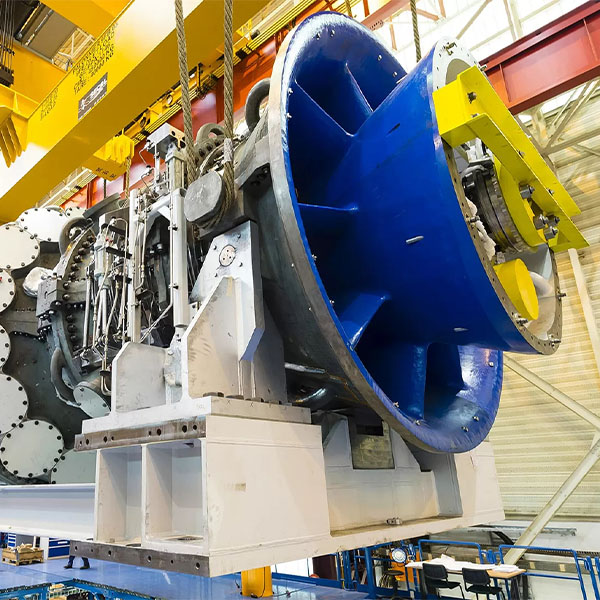
NextEra Energy is collaborating with GE Vernova on development of natural gas-fired power generation and is taking further steps toward restarting an idled nuclear plant.
Goldman Sachs
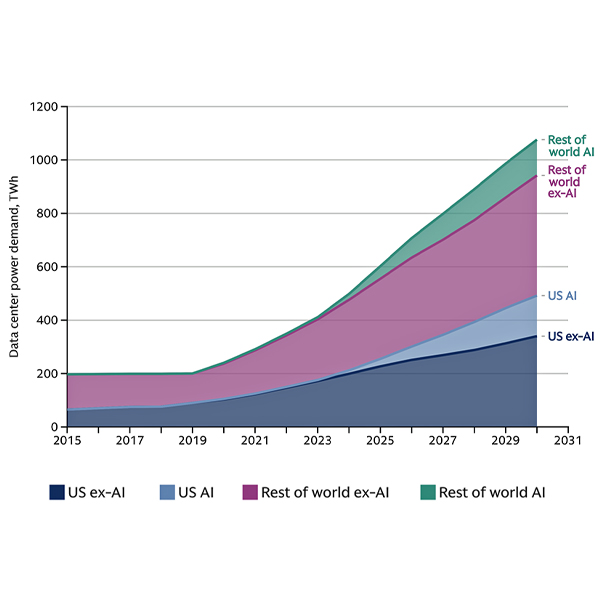
President Donald Trump presented the World Economic Forum with his desire to power the U.S. AI revolution: behind-the-meter generation co-located with data centers and built rapidly under his National Energy Emergency executive order.
Senate Energy and Natural Resources Committee
Trump's nominees for energy and interior secretary cleared the ENR committee on bipartisan votes and now head to the floor where Senate leadership has been working to approve his cabinet picks.
PNNL
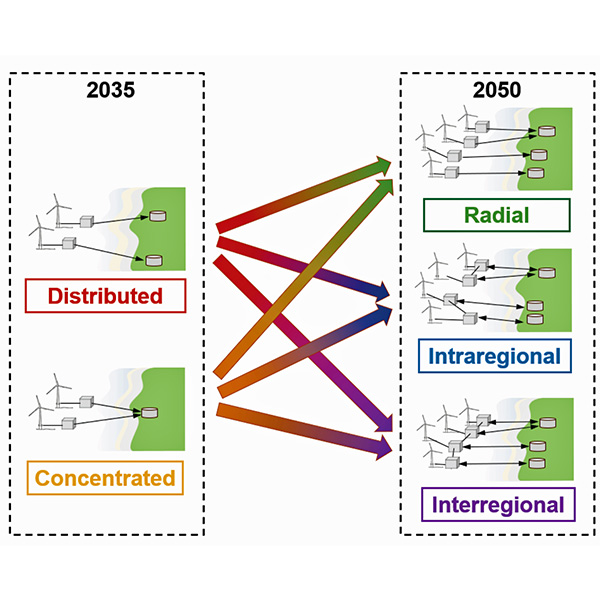
A new report by two national laboratories finds that offshore wind could be generating as much as 33 GW of electricity for the western United States by 2050 and looks at how best to bring that power ashore.
Dominion Energy
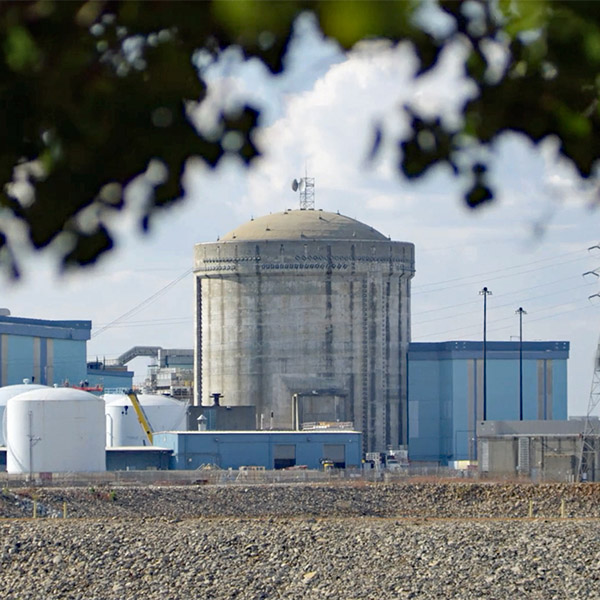
Spurred by the recent wave of interest in new nuclear generation, Santee Cooper is seeking a buyer to take over an expansion project halted in 2017 amid extensive cost overruns and delays.
C-SPAN
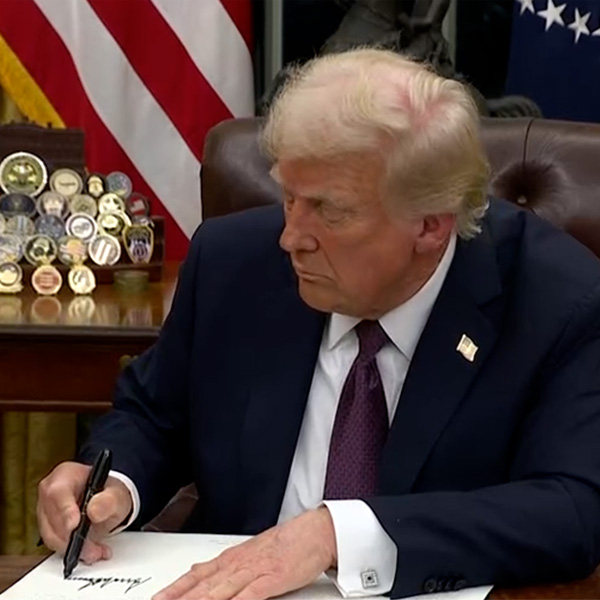
While Trump's order calls for “a reliable, diversified and affordable supply of energy,” it omits any mention of solar, wind or storage and makes only passing reference to transmission as part of its definition of generation.
Shutterstock
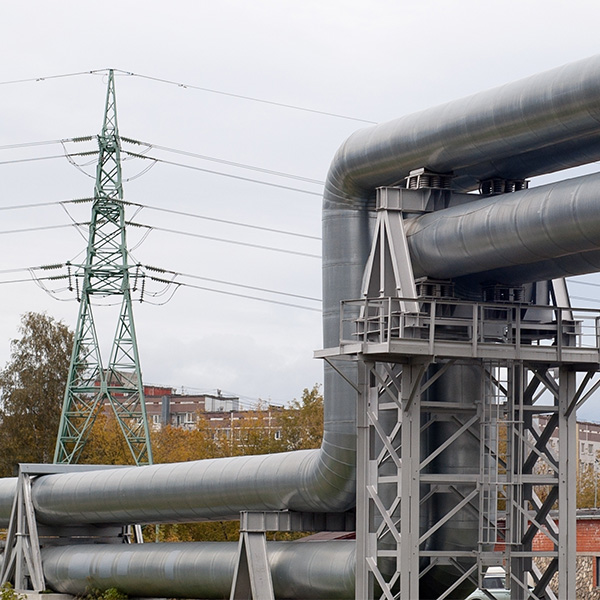
President Trump's executive orders on energy are not enough on their own for the industry to meet the rising demand for AI and data centers, and experts say another attempt at permitting reform is needed.
Town of Nantucket
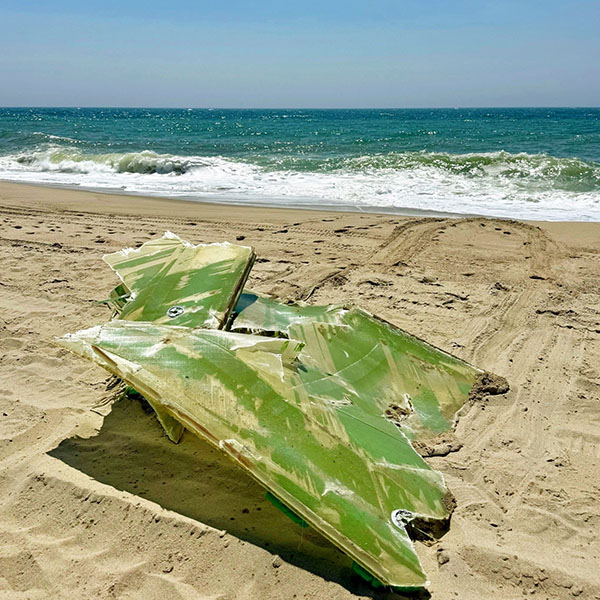
The Bureau of Ocean Energy Management has approved Vineyard Wind 1’s plan to replace additional installed blades in the wake of a major blade failure in the summer, and resume operation.
Bureau of Safety and Environmental Enforcement
The order does not affect existing onshore or offshore wind leases, but it sets up potential challenges by directing a comprehensive review.

NYSERDA
Cost increases, delays and diminished value of assets contributed to Ørsted's latest setback — which was announced before President Trump targeted offshore wind in an executive order.
Want more? Advanced Search