NetZero Insider
Agriculture & Land UseBuilding DecarbonizationCookingEnergy EfficiencySpace HeatingWater HeatingCommentary & Special ReportsConference coverageCompany NewsEquity & EconomicsEmployment & Economic ImpactEnvironmental & Social JusticeFederal PolicyCongressDepartment of EnergyLoan Programs Office (LPO)Department of TransportationEnvironmental Protection AgencyFederal Energy Regulatory CommissionGeneral Services Administration (GSA)Interior DepartmentBureau of Land ManagementBureau of Ocean Energy ManagementNuclear Regulatory CommissionTreasury DepartmentWhite HouseGeneration & FuelsBioenergyFossil FuelsCoalNatural GasGeothermalHydrogenNuclearSMRRenewable PowerCommunity solarHydropowerOffshore Wind PowerOnshore Wind PowerSolar PowerRooftop solarUtility scale solarImpact & AdaptationIndustrial DecarbonizationState and Local PolicyAlabamaArizonaCaliforniaCA LegislationCalifornia Air Resources Board (CARB)California Energy Commission (CEC)California Public Utilities Commission (CPUC)ColoradoConnecticutDelawareDistrict of ColumbiaFloridaGeorgiaHawaiiIdahoIllinoisIndianaKentuckyLouisianaMaineMarylandMassachusettsMichiganMinnesotaMississippiMissouriMontanaNevadaNew HampshireNew JerseyNew MexicoNew YorkNYSERDAPublic Service CommissionNorth CarolinaNorth DakotaOhioOntarioOregonPennsylvaniaRhode IslandSouth CarolinaTennesseeTexasUtahVermontVirginiaWashingtonWest VirginiaWisconsinWyomingTechnologyCarbon CaptureTransmission & DistributionEnergy StorageMicrogridsTransportation DecarbonizationAirplane DecarbonizationEV chargersHeavy-duty vehiclesBattery Electric Buses (BEB)Fuel Cell Electric Buses (FCEB)Light-duty vehiclesBattery Electric VehiclesFuel Cell VehiclesPlug-in hybrid electric vehiclesShip electrificationClean Ports
Bloom Energy
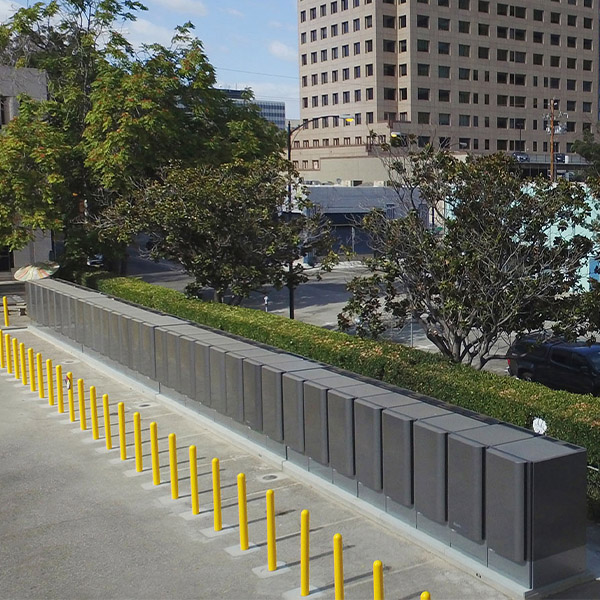
American Electric Power will meet data center power demand with what it calls the largest utility initiative of its kind in the nation, buying up to 1 GW of Bloom Energy’s solid oxide fuel cells.

© RTO Insider LLC
To move forward in the second Trump administration, both Democrats and Republicans will need to depoliticize the debate around climate and energy issues as they face the impacts of increasingly frequent and severe extreme weather, while meeting growing power demand from artificial intelligence, data centers and new manufacturing.

Shutterstock
State regulators, policymakers and utilities often argue that market failure justifies energy efficiency programs. Consultant Kenneth Costello disagrees.

RWE
RWE, which holds offshore wind leases off the Atlantic, Pacific and Gulf coasts, said it is pausing capital expenditures on development there for two years due to increased risk and uncertainty.

© RTO Insider LLC
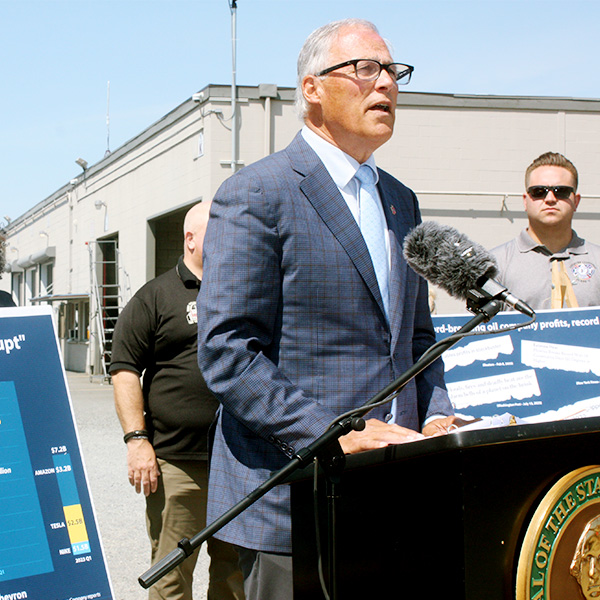
Washington Gov. Jay Inslee’s biggest anti-global warming measure remains intact after the state’s voters rejected a ballot initiative to repeal the nation’s second cap-and-trade program.
EDP Renewables
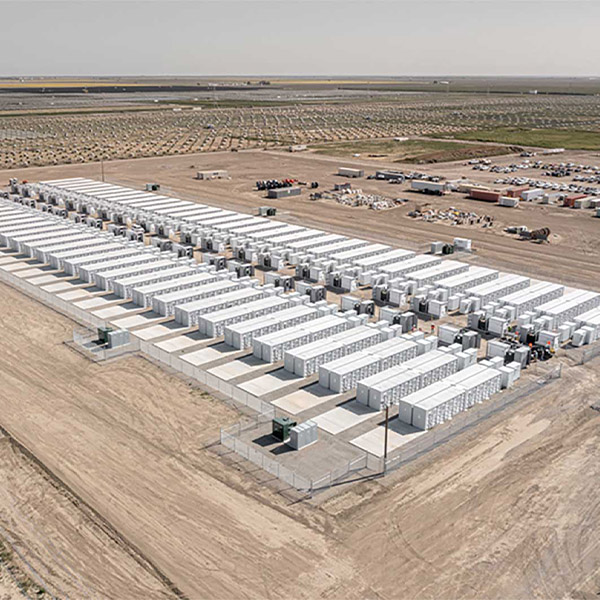
New Jersey’s Board of Public Utilities released an update to its proposed Storage Incentive Program that changes how the subsidies for utility-scale projects are determined as the state shoots for 2,000 MW of total capacity by 2030.
DOE
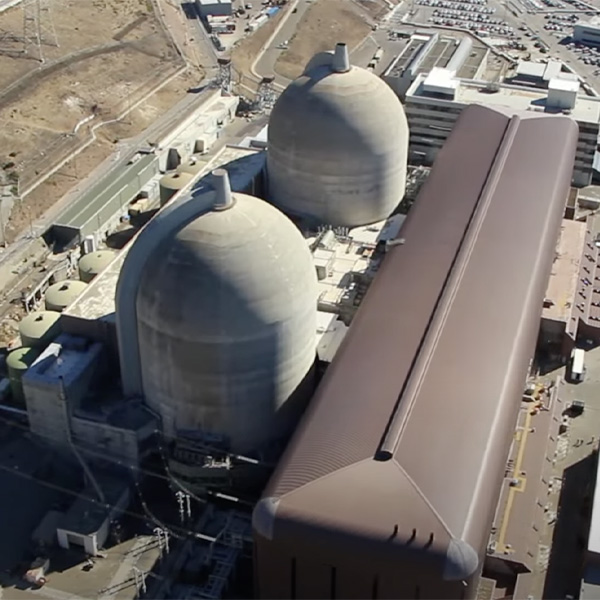
The Biden administration wants to jumpstart a “nuclear deployment ecosystem” by getting 35 GW of new nuclear power online or under construction by 2035 and then build to a steady pace of deploying 15 GW per year in the U.S. and globally by 2040.
BOEM
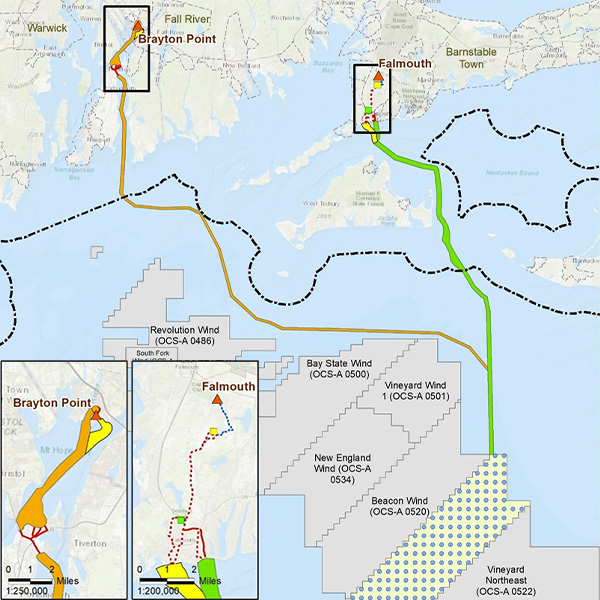
The Bureau of Ocean Energy Management issued the final environmental impact statement for SouthCoast Wind, bringing the project one step closer to final approval.

© RTO Insider LLC
NYSEIA is looking to continue the momentum for distributed solar after a key milestone was achieved, but plenty of challenges remain.
© RTO Insider LLC
President Biden and Vice President Harris will not travel to Azerbaijan for COP29, but a group of U.S. mayors, governors and corporate leaders is carrying a message of continued commitment to the goals of the Paris Agreement.
Want more? Advanced Search