NetZero Insider
Agriculture & Land UseBuilding DecarbonizationCookingEnergy EfficiencySpace HeatingWater HeatingCommentary & Special ReportsConference coverageCompany NewsEquity & EconomicsEmployment & Economic ImpactEnvironmental & Social JusticeFederal PolicyCongressDepartment of EnergyLoan Programs Office (LPO)Department of TransportationEnvironmental Protection AgencyFederal Energy Regulatory CommissionGeneral Services Administration (GSA)Interior DepartmentBureau of Land ManagementBureau of Ocean Energy ManagementNuclear Regulatory CommissionTreasury DepartmentWhite HouseGeneration & FuelsBioenergyFossil FuelsCoalNatural GasGeothermalHydrogenNuclearSMRRenewable PowerCommunity solarHydropowerOffshore Wind PowerOnshore Wind PowerSolar PowerRooftop solarUtility scale solarImpact & AdaptationIndustrial DecarbonizationState and Local PolicyAlabamaArizonaCaliforniaCA LegislationCalifornia Air Resources Board (CARB)California Energy Commission (CEC)California Public Utilities Commission (CPUC)ColoradoConnecticutDelawareDistrict of ColumbiaFloridaGeorgiaHawaiiIdahoIllinoisIndianaKentuckyLouisianaMaineMarylandMassachusettsMichiganMinnesotaMississippiMissouriMontanaNevadaNew HampshireNew JerseyNew MexicoNew YorkNYSERDAPublic Service CommissionNorth CarolinaNorth DakotaOhioOntarioOregonPennsylvaniaRhode IslandSouth CarolinaTennesseeTexasUtahVermontVirginiaWashingtonWest VirginiaWisconsinWyomingTechnologyCarbon CaptureTransmission & DistributionEnergy StorageMicrogridsTransportation DecarbonizationAirplane DecarbonizationEV chargersHeavy-duty vehiclesBattery Electric Buses (BEB)Fuel Cell Electric Buses (FCEB)Light-duty vehiclesBattery Electric VehiclesFuel Cell VehiclesPlug-in hybrid electric vehiclesShip electrificationClean Ports
South Fork Wind
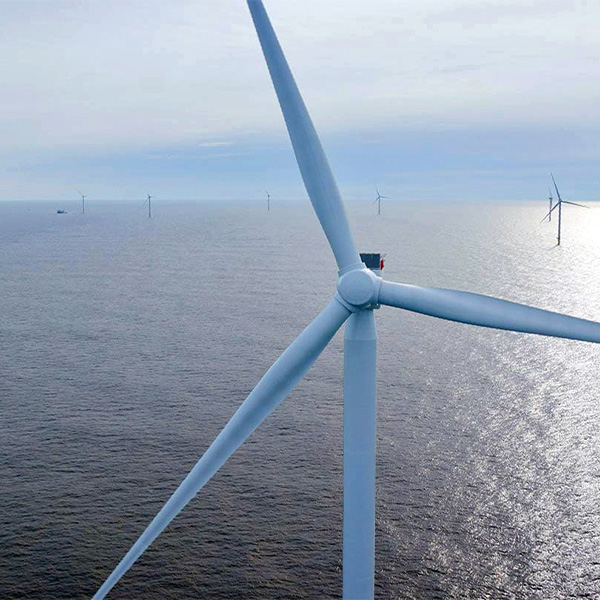
Eversource Energy’s exit from the offshore wind business drove a $118 million loss in the third quarter of 2024, offsetting increased revenue from its electric and gas distribution business relative to 2023, the company told investors.
DOE
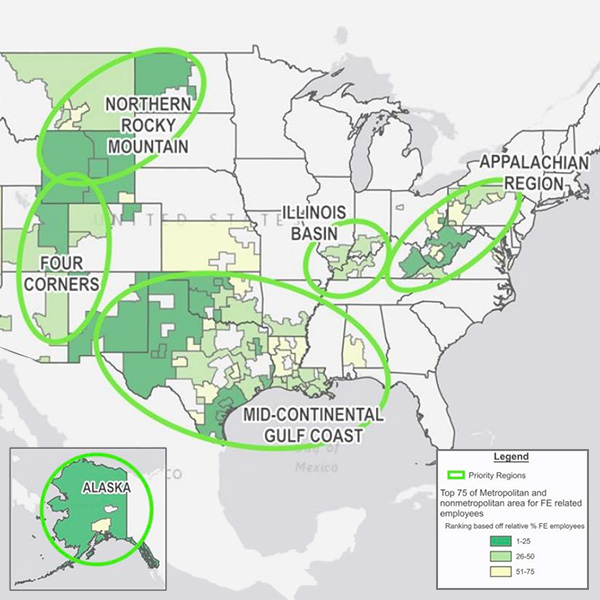
Resources for the Future released a report evaluating the Interagency Working Group on Energy Communities, a Biden administration effort to coordinate federal help to communities that lost jobs and other economic benefits from retiring coal plants and mines.
Blue Lake Rancheria
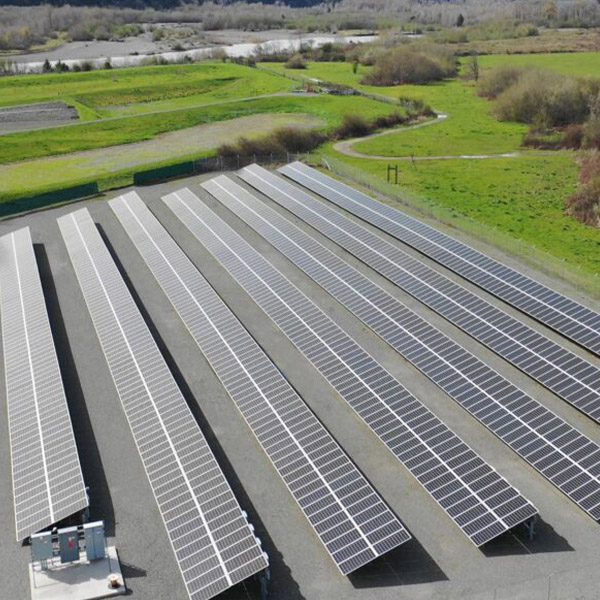
Energy projects designed to accelerate decarbonization and strengthen reliability in vulnerable communities are receiving significant investment from a California Energy Commission program.
Ørsted
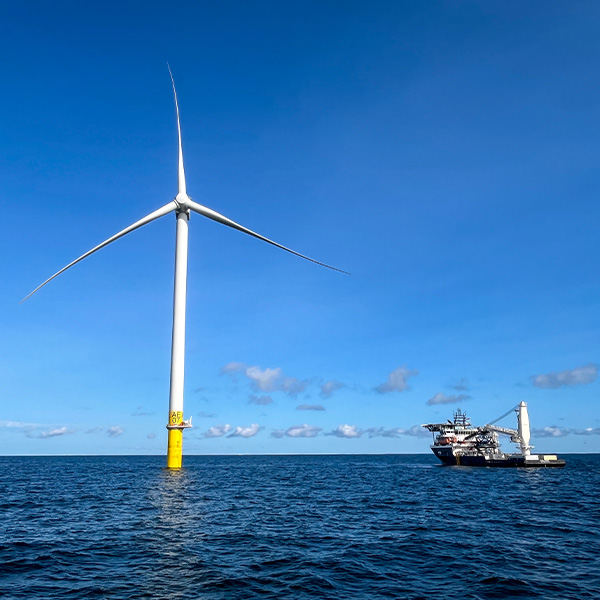
A one-in-a-thousand problem with a key foundation component is the latest setback in U.S. waters for Ørsted and is blamed for its latest nine-digit cost impairment.
Bureau of Land Management
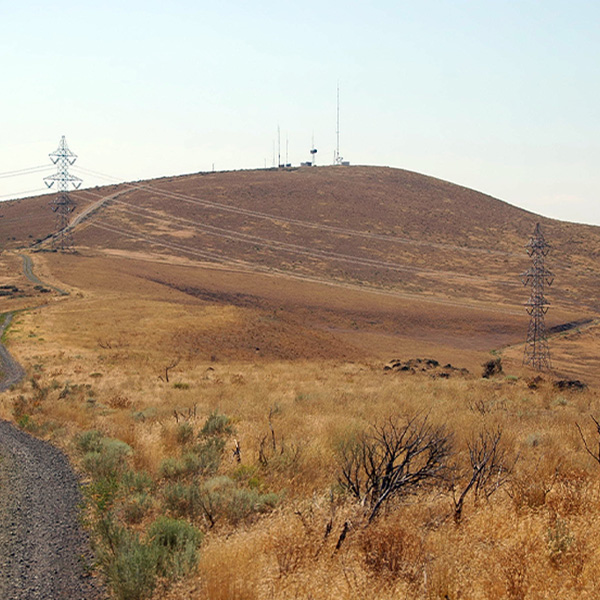
Gov. Jay Inslee approved a revised plan for the largest wind turbine farm in Washington, stretching across 24 miles in the Horse Heaven Hills in the southeastern part of the state.

Duke Energy
The NCUC approved Duke Energy's second Carbon Plan and Integrated Resource Plan, authorizing procurements of renewable energy, nuclear and demand response, while calling for its 8,000 MW of coal to be retired in 2036.
Peretz Partensky, CC BY 2.0, via Wikimedia Commons
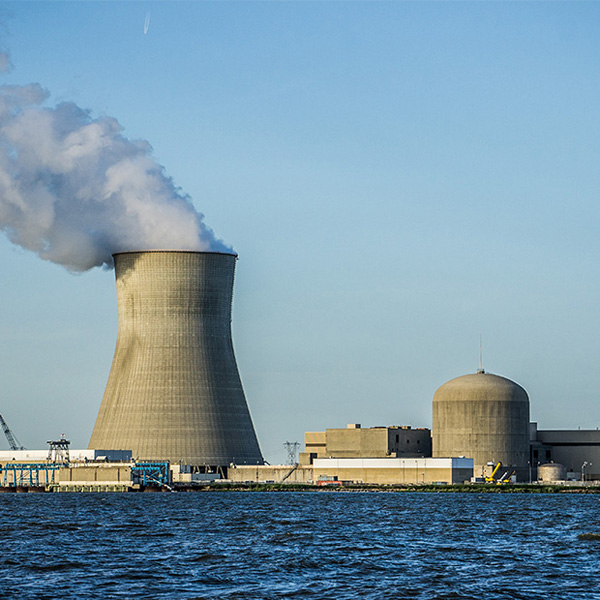
On top of its 350 MW of current data center load, PSEG has received formal applications for nearly 400 MW of new data center load and inquiries on over 1,200 MW in data center feasibility studies in new business.
Constellation Energy
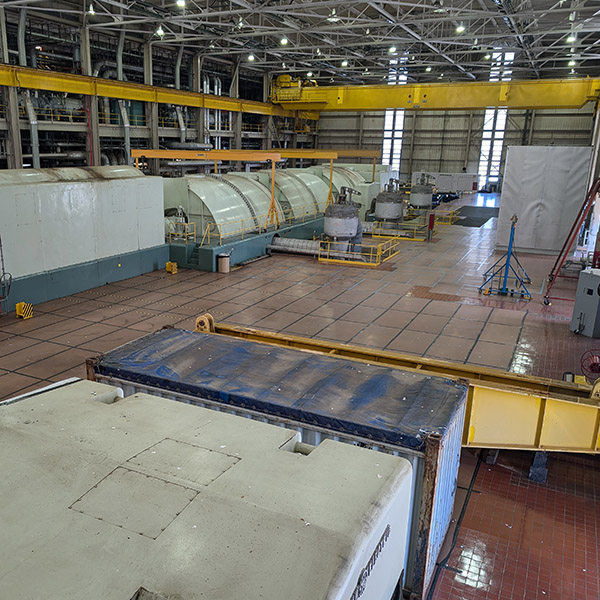
Constellation Energy remains bullish on data centers co-located with nuclear power plants, despite FERC rejecting terms for the expansion of one such agreement in a high-profile ruling.
© RTO Insider LLC
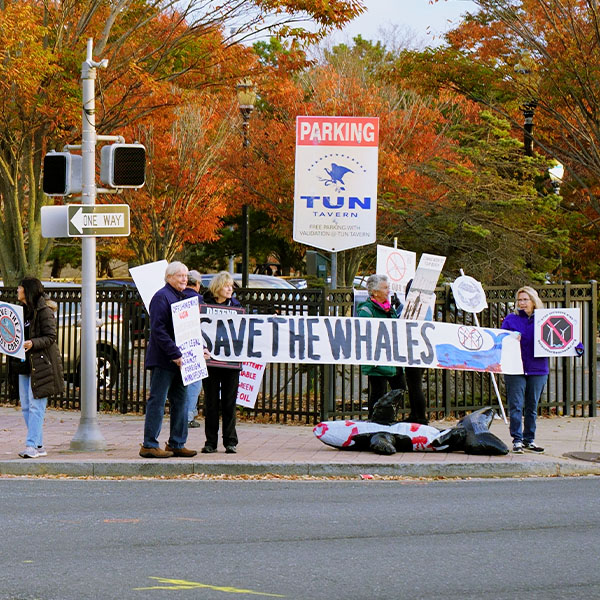
Opposition to offshore wind is much more widespread than the two dozen or so protesters outside the Atlantic City Convention Center.

© RTO Insider LLC
The friction between the fishing and offshore wind industries was a recurring topic at Offshore WINDPOWER 2024, where multiple discussions examined approaches that have sought to smooth the relationship.
Want more? Advanced Search