NetZero Insider
Agriculture & Land UseBuilding DecarbonizationCookingEnergy EfficiencySpace HeatingWater HeatingCommentary & Special ReportsConference coverageCompany NewsEquity & EconomicsEmployment & Economic ImpactEnvironmental & Social JusticeFederal PolicyCongressDepartment of EnergyLoan Programs Office (LPO)Department of TransportationEnvironmental Protection AgencyFederal Energy Regulatory CommissionGeneral Services Administration (GSA)Interior DepartmentBureau of Land ManagementBureau of Ocean Energy ManagementNuclear Regulatory CommissionTreasury DepartmentWhite HouseGeneration & FuelsBioenergyFossil FuelsCoalNatural GasGeothermalHydrogenNuclearSMRRenewable PowerCommunity solarHydropowerOffshore Wind PowerOnshore Wind PowerSolar PowerRooftop solarUtility scale solarImpact & AdaptationIndustrial DecarbonizationState and Local PolicyAlabamaArizonaCaliforniaCA LegislationCalifornia Air Resources Board (CARB)California Energy Commission (CEC)California Public Utilities Commission (CPUC)ColoradoConnecticutDelawareDistrict of ColumbiaFloridaGeorgiaHawaiiIdahoIllinoisIndianaKentuckyLouisianaMaineMarylandMassachusettsMichiganMinnesotaMississippiMissouriMontanaNevadaNew HampshireNew JerseyNew MexicoNew YorkNYSERDAPublic Service CommissionNorth CarolinaNorth DakotaOhioOntarioOregonPennsylvaniaRhode IslandSouth CarolinaTennesseeTexasUtahVermontVirginiaWashingtonWest VirginiaWisconsinWyomingTechnologyCarbon CaptureTransmission & DistributionEnergy StorageMicrogridsTransportation DecarbonizationAirplane DecarbonizationEV chargersHeavy-duty vehiclesBattery Electric Buses (BEB)Fuel Cell Electric Buses (FCEB)Light-duty vehiclesBattery Electric VehiclesFuel Cell VehiclesPlug-in hybrid electric vehiclesShip electrificationClean Ports
EIA
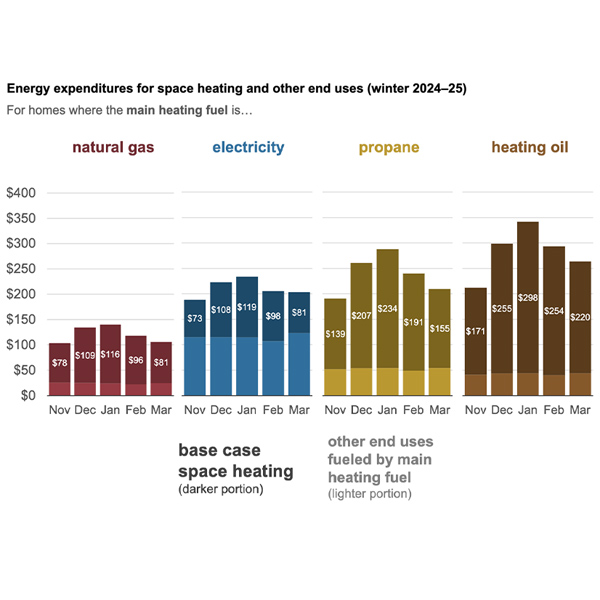
While customers spend more on electric bills overall, the home heating portion of EIA’s electricity estimates is almost the same as those for natural gas.
Mingyang Smart Energy
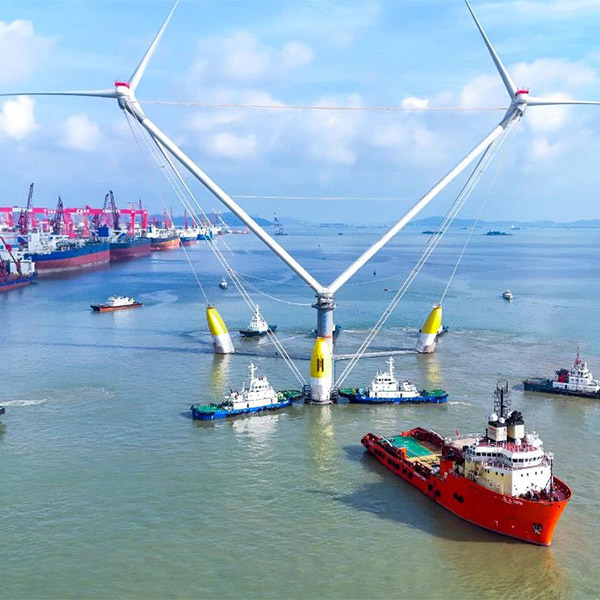
The 5,500 GW of added capacity is enough to outpace the national goals of many countries but not quite enough to meet the target established at COP28: tripling the capacity by 2030.
ESIG
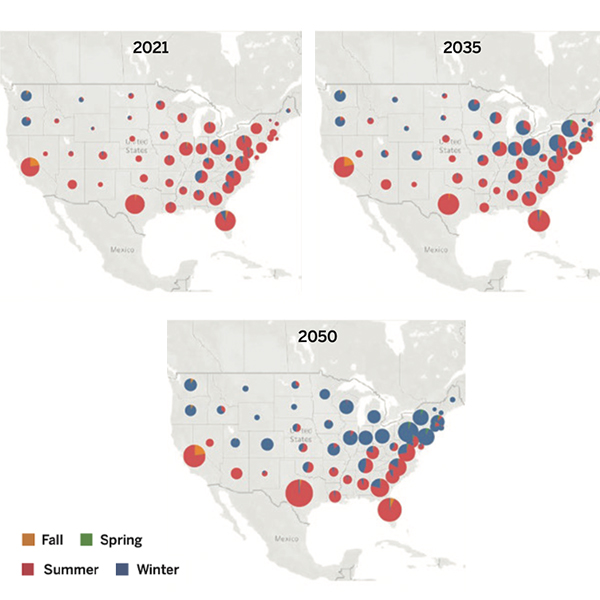
The new report argues that discussions about building electrification largely leave out one key issue: how to prepare the grid for the higher demand and new consumption patterns associated with the shift.
© RTO Insider LLC
Washington's Department of Ecology kicked off its first virtual electricity forum to provide updates on recent electricity sector rulemaking efforts related to the state’s carbon market.

Shutterstock
In a report accompanying the draft Clean Heat Standard rule, the Vermont PUC said it makes no sense for a single small state to create such a costly and complex system.
Xcel Energy
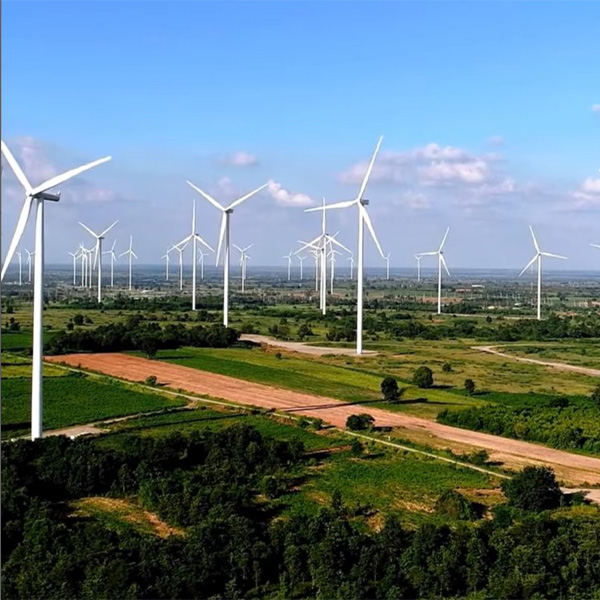
Xcel Energy has reached a settlement with clean energy nonprofits that further swings the utility’s integrated resource planning toward zero-carbon resources.

Shutterstock
Both D.C. and Maryland have been working on rules to encourage and accelerate the installation of EV chargers, especially at multiunit dwellings and in low-income neighborhoods, as EV sales continue to grow steadily.
Convergent Energy and Power
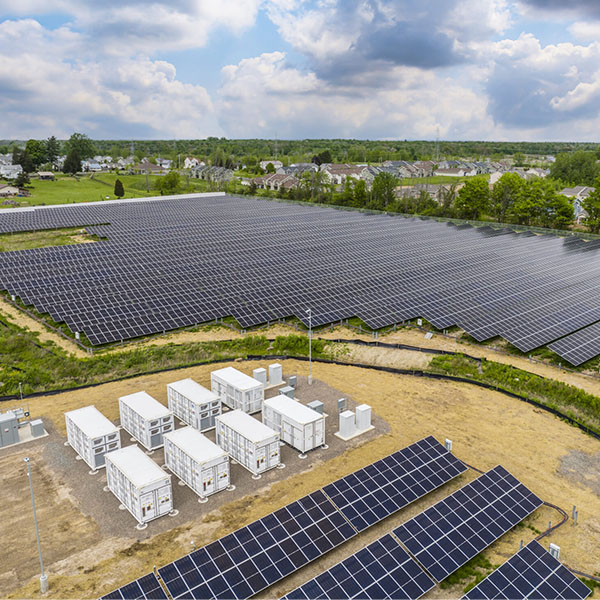
The Rhode Island Energy Facilities Siting Board ruled it has jurisdiction over large battery storage projects, overruling precedent.
© RTO Insider LLC
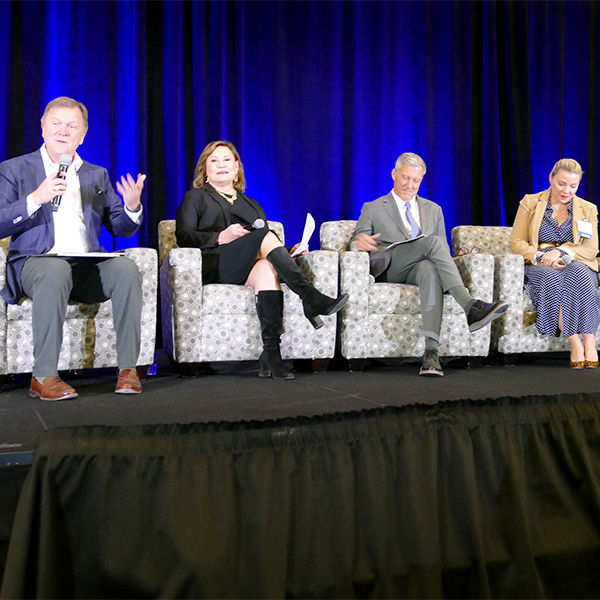
The Gulf Coast Power Association again reported a record attendance for its annual Fall Conference and discussions on the industry’s future, emerging grid technologies and Texas’ 2025 legislative session.

EFI Foundation
Minnesota received kudos for promoting a clean energy workforce during an EFI Foundation webinar.
Want more? Advanced Search