NetZero Insider
Agriculture & Land UseBuilding DecarbonizationCookingEnergy EfficiencySpace HeatingWater HeatingCommentary & Special ReportsConference coverageCompany NewsEquity & EconomicsEmployment & Economic ImpactEnvironmental & Social JusticeFederal PolicyCongressDepartment of EnergyLoan Programs Office (LPO)Department of TransportationEnvironmental Protection AgencyFederal Energy Regulatory CommissionGeneral Services Administration (GSA)Interior DepartmentBureau of Land ManagementBureau of Ocean Energy ManagementNuclear Regulatory CommissionTreasury DepartmentWhite HouseGeneration & FuelsBioenergyFossil FuelsCoalNatural GasGeothermalHydrogenNuclearSMRRenewable PowerCommunity solarHydropowerOffshore Wind PowerOnshore Wind PowerSolar PowerRooftop solarUtility scale solarImpact & AdaptationIndustrial DecarbonizationState and Local PolicyAlabamaArizonaCaliforniaCA LegislationCalifornia Air Resources Board (CARB)California Energy Commission (CEC)California Public Utilities Commission (CPUC)ColoradoConnecticutDelawareDistrict of ColumbiaFloridaGeorgiaHawaiiIdahoIllinoisIndianaKentuckyLouisianaMaineMarylandMassachusettsMichiganMinnesotaMississippiMissouriMontanaNevadaNew HampshireNew JerseyNew MexicoNew YorkNYSERDAPublic Service CommissionNorth CarolinaNorth DakotaOhioOntarioOregonPennsylvaniaRhode IslandSouth CarolinaTennesseeTexasUtahVermontVirginiaWashingtonWest VirginiaWisconsinWyomingTechnologyCarbon CaptureTransmission & DistributionEnergy StorageMicrogridsTransportation DecarbonizationAirplane DecarbonizationEV chargersHeavy-duty vehiclesBattery Electric Buses (BEB)Fuel Cell Electric Buses (FCEB)Light-duty vehiclesBattery Electric VehiclesFuel Cell VehiclesPlug-in hybrid electric vehiclesShip electrificationClean Ports
DOE
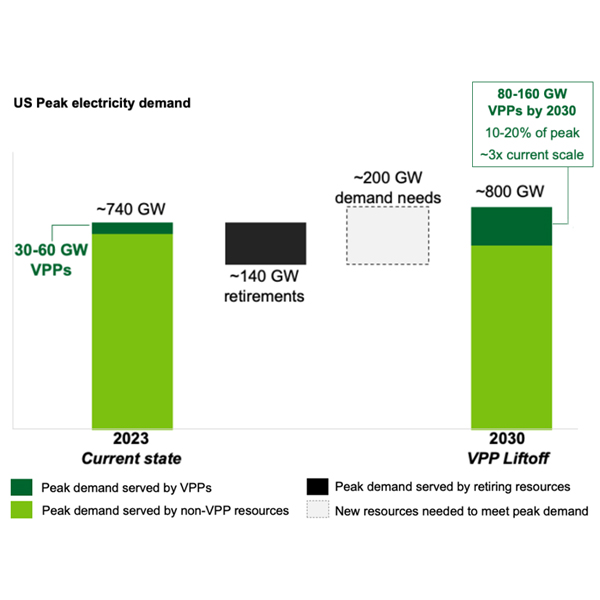
Virtual power plants could provide the same dispatchability and reliability as traditional centralized power plants, allowing customers to cut energy bills and emissions.
© RTO Insider LLC
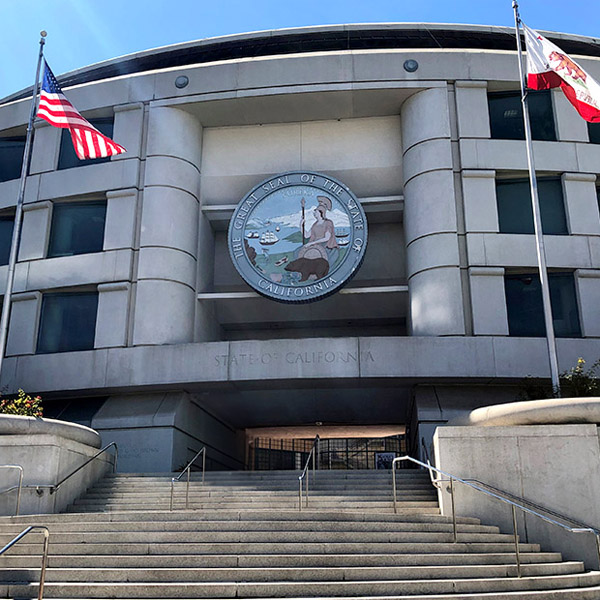
The California PUC approved rules requiring the state’s three large investor-owned utilities to meet stricter timelines and targets for connecting electricity customers to the grid.

BOEM
The U.S. Bureau of Ocean Energy Management announced it will conduct an offshore wind energy lease sale for eight areas on the Outer Continental Shelf that would require floating turbines.
BOEM
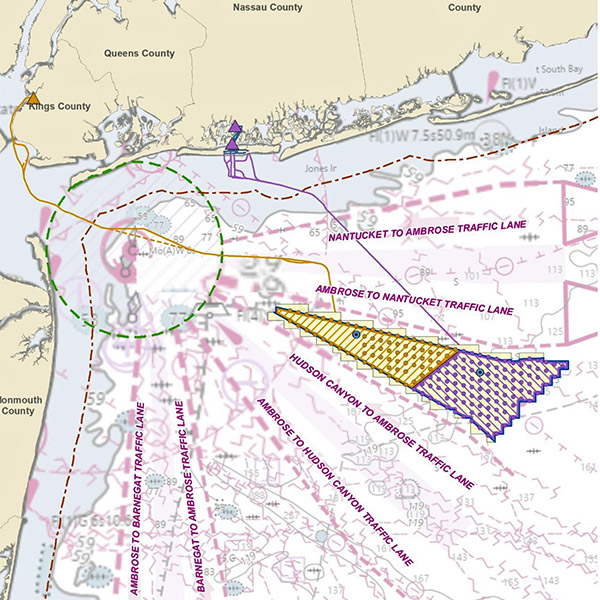
An offshore wind proposal that was placed on hiatus amid the industry’s recent financial turmoil is taking a further detour, halting its attempt to bring an export cable onshore in New York.

Shutterstock
Following the failure of the Massachusetts House and Senate to reach common ground on a climate bill this summer, Gov. Maura Healey (D) has proposed to include clean energy permitting and procurement provisions in a supplemental budget bill.
ICF
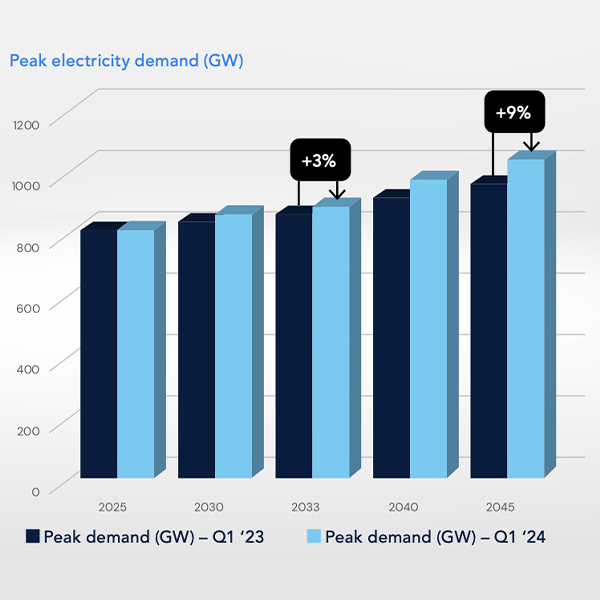
ICF International forecasts that demand could increase by 9% by 2028, while peak demand could increase by 5% over the same period, according to a report it published.

ISO-NE
Activists, ISO-NE officials, and state representatives from across New England convened in New London, Conn., to discuss the benefits of offshore wind to the region’s power system.
© RTO Insider LLC
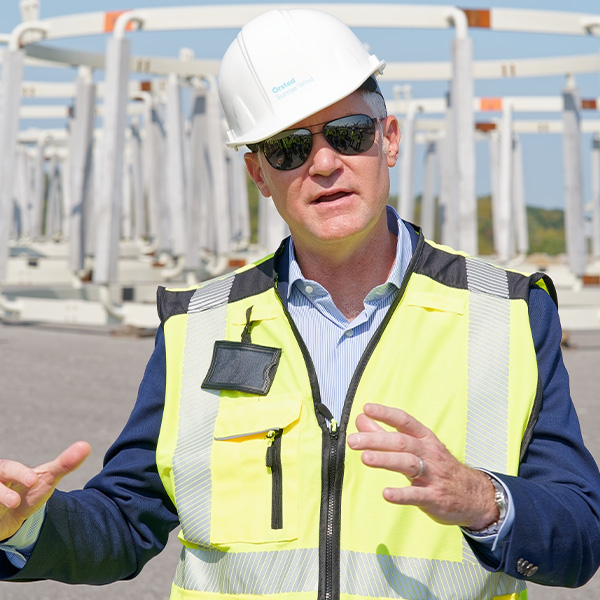
Ørsted gathered industry, labor and environmental officials to mark some milestones in preparation for construction of Sunrise Wind and in the development of New York's offshore wind industry.

Shutterstock
The report commissioned by the Environmental Defense Fund slams the concept of natural gas-hydrogen blends as a false path to New York’s building decarbonization goals.
South Fork Wind
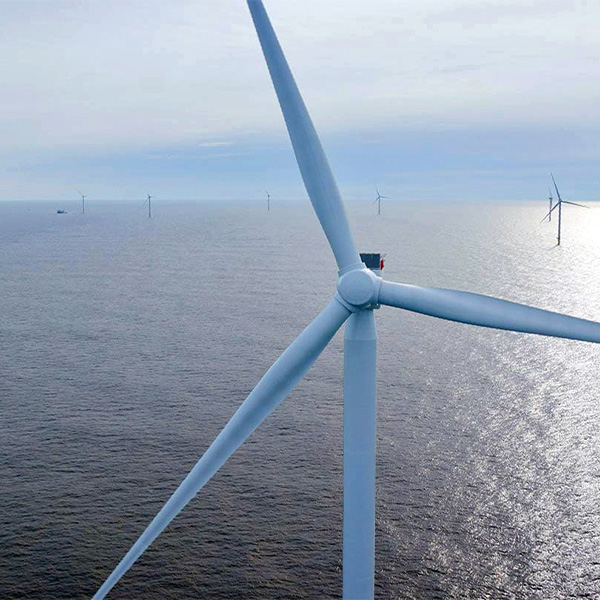
Community and Excelsior announced their proposals Sept. 9, the final day to submit proposals without price tags in New York’s fifth competitive offshore wind solicitation.
Want more? Advanced Search