NetZero Insider
Agriculture & Land UseBuilding DecarbonizationCookingEnergy EfficiencySpace HeatingWater HeatingCommentary & Special ReportsConference coverageCompany NewsEquity & EconomicsEmployment & Economic ImpactEnvironmental & Social JusticeFederal PolicyCongressDepartment of EnergyLoan Programs Office (LPO)Department of TransportationEnvironmental Protection AgencyFederal Energy Regulatory CommissionGeneral Services Administration (GSA)Interior DepartmentBureau of Land ManagementBureau of Ocean Energy ManagementNuclear Regulatory CommissionTreasury DepartmentWhite HouseGeneration & FuelsBioenergyFossil FuelsCoalNatural GasGeothermalHydrogenNuclearSMRRenewable PowerCommunity solarHydropowerOffshore Wind PowerOnshore Wind PowerSolar PowerRooftop solarUtility scale solarImpact & AdaptationIndustrial DecarbonizationState and Local PolicyAlabamaArizonaCaliforniaCA LegislationCalifornia Air Resources Board (CARB)California Energy Commission (CEC)California Public Utilities Commission (CPUC)ColoradoConnecticutDelawareDistrict of ColumbiaFloridaGeorgiaHawaiiIdahoIllinoisIndianaKentuckyLouisianaMaineMarylandMassachusettsMichiganMinnesotaMississippiMissouriMontanaNevadaNew HampshireNew JerseyNew MexicoNew YorkNYSERDAPublic Service CommissionNorth CarolinaNorth DakotaOhioOntarioOregonPennsylvaniaRhode IslandSouth CarolinaTennesseeTexasUtahVermontVirginiaWashingtonWest VirginiaWisconsinWyomingTechnologyCarbon CaptureTransmission & DistributionEnergy StorageMicrogridsTransportation DecarbonizationAirplane DecarbonizationEV chargersHeavy-duty vehiclesBattery Electric Buses (BEB)Fuel Cell Electric Buses (FCEB)Light-duty vehiclesBattery Electric VehiclesFuel Cell VehiclesPlug-in hybrid electric vehiclesShip electrificationClean Ports

PNNL
U.S. reliance on lithium-ion batteries has become a political flashpoint due to China’s dominance in the processing of lithium and manufacture of battery cells.
BOEM
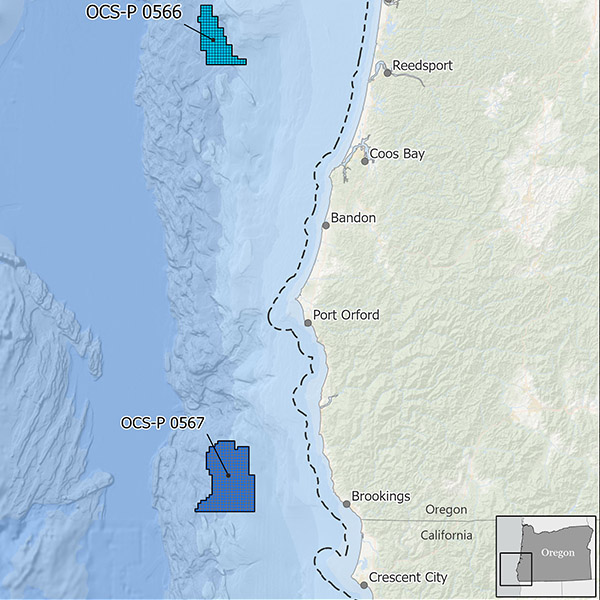
The U.S. Bureau of Ocean Energy Management has concluded that leasing areas off the Oregon Coast for wind energy development would have no significant environmental impact.

Shutterstock
President Biden has more than doubled the Section 201 tariff rate quota for imported solar cells, from 5 GW to 12.5 GW per year.
Renew Home
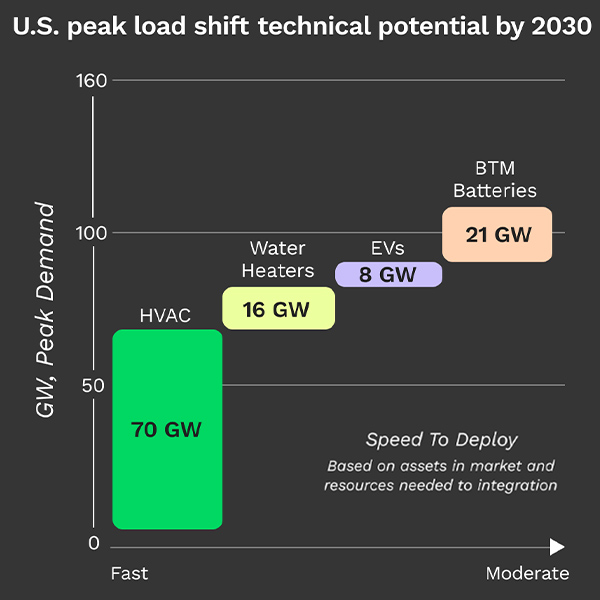
Home energy management company Renew Home has released a position paper arguing that VPPs can quickly be stood up to help meet growing demand.
Vineyard Wind
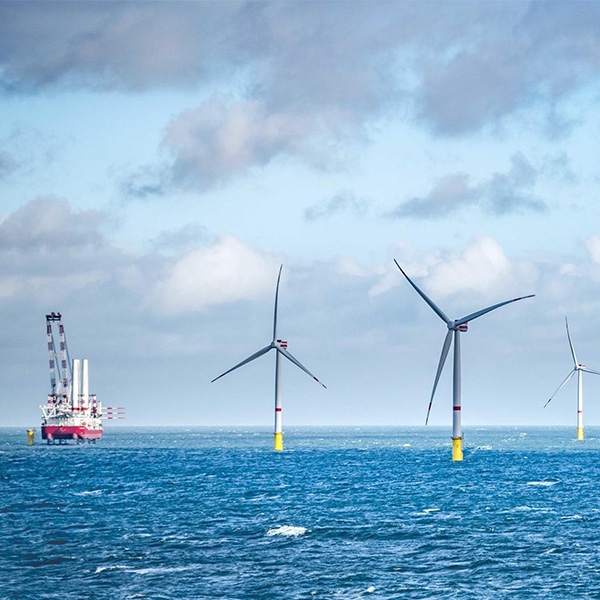
Vineyard Wind and GE Vernova have released an overview of their action plan for debris cleanup and the eventual resumption of construction on the Vineyard Wind 1 project in the wake of the blade failure and collapse on July 13.

University of Nevada, Reno
Echoing policies he laid out early in his administration, Nevada Gov. Joe Lombardo released a climate plan that calls for keeping natural gas in the state’s energy mix.
American Clean Power
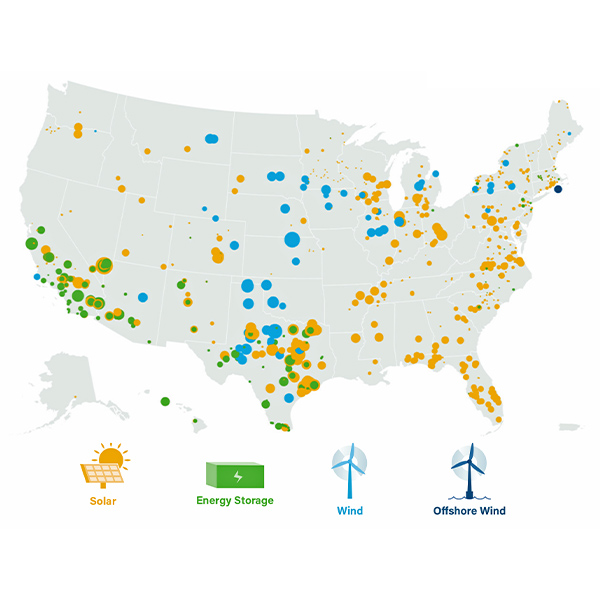
The American Clean Power Association reports that U.S. clean energy investments announced over the past two years have reached a half-trillion dollars.
Shutterstock
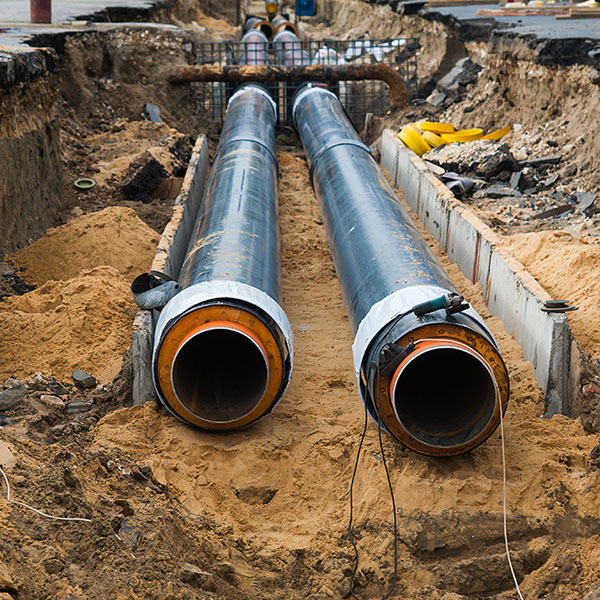
Maryland’s gas utilities should consider identifying and sealing leaky pipe joints before building new lines, Energy Administration staff told the PSC.

Constellation Energy
The D.C. Circuit Court of Appeals vacated FERC’s approval of two LNG export facilities in Texas and remanded the cases back to the commission.

Exelon
Exelon is focused on meeting rising demand from data centers and manufacturing, company officials said during its second-quarter earnings call.
Want more? Advanced Search