
NetZero Insider
Agriculture & Land UseBuilding DecarbonizationCookingEnergy EfficiencySpace HeatingWater HeatingCommentary & Special ReportsConference coverageCompany NewsEquity & EconomicsEmployment & Economic ImpactEnvironmental & Social JusticeFederal PolicyCongressDepartment of EnergyLoan Programs Office (LPO)Department of TransportationEnvironmental Protection AgencyFederal Energy Regulatory CommissionGeneral Services Administration (GSA)Interior DepartmentBureau of Land ManagementBureau of Ocean Energy ManagementNuclear Regulatory CommissionTreasury DepartmentWhite HouseGeneration & FuelsBioenergyFossil FuelsCoalNatural GasGeothermalHydrogenNuclearSMRRenewable PowerCommunity solarHydropowerOffshore Wind PowerOnshore Wind PowerSolar PowerRooftop solarUtility scale solarImpact & AdaptationIndustrial DecarbonizationState and Local PolicyAlabamaArizonaCaliforniaCA LegislationCalifornia Air Resources Board (CARB)California Energy Commission (CEC)California Public Utilities Commission (CPUC)ColoradoConnecticutDelawareDistrict of ColumbiaFloridaGeorgiaHawaiiIdahoIllinoisIndianaKentuckyLouisianaMaineMarylandMassachusettsMichiganMinnesotaMississippiMissouriMontanaNevadaNew HampshireNew JerseyNew MexicoNew YorkNYSERDAPublic Service CommissionNorth CarolinaNorth DakotaOhioOntarioOregonPennsylvaniaRhode IslandSouth CarolinaTennesseeTexasUtahVermontVirginiaWashingtonWest VirginiaWisconsinWyomingTechnologyCarbon CaptureTransmission & DistributionEnergy StorageMicrogridsTransportation DecarbonizationAirplane DecarbonizationEV chargersHeavy-duty vehiclesBattery Electric Buses (BEB)Fuel Cell Electric Buses (FCEB)Light-duty vehiclesBattery Electric VehiclesFuel Cell VehiclesPlug-in hybrid electric vehiclesShip electrificationClean Ports
Elevate Renewables
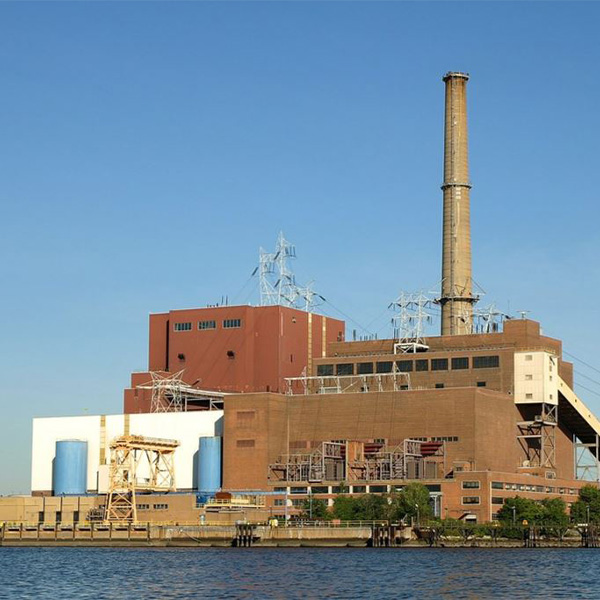
A developer has committed to replacing a fossil-fired peaker plant with a lithium-ion battery system that will, for a while, be New York City's largest.
Shutterstock
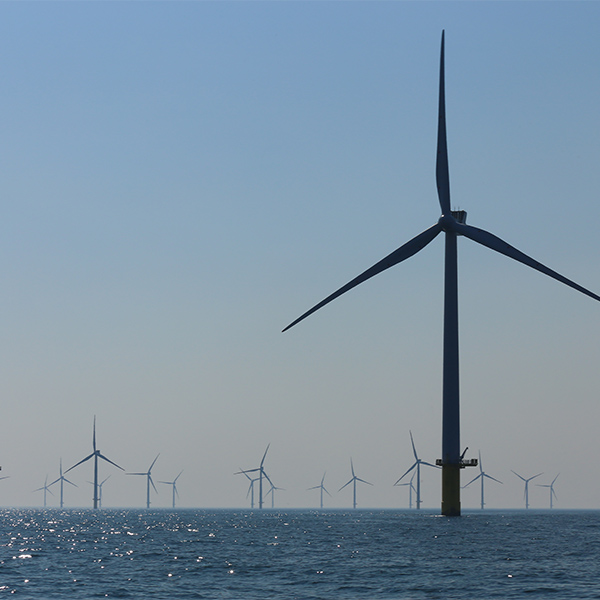
Clean energy supporters argue the next New Jersey energy master plan should be an aggressive and broad embrace of electrification and generate enough money to help pay for clean energy projects and protect ratepayers.
Maryland Governor's Office
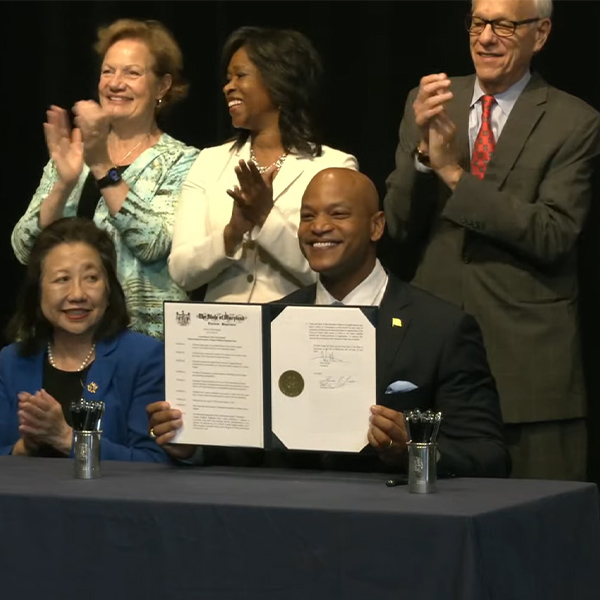
Maryland Gov. Wes Moore (D) signed a sweeping executive order calling for the state to establish a zero-emission heating equipment standard and a new clean heat standard to be added to the state’s Renewable Portfolio Standard.

Vineyard Wind
A new analysis prepared for the Sierra Club concludes offshore wind energy would be a money-saver for New Englanders, despite the high cost of construction.
Ørtsted/Edison Chouest Offshore
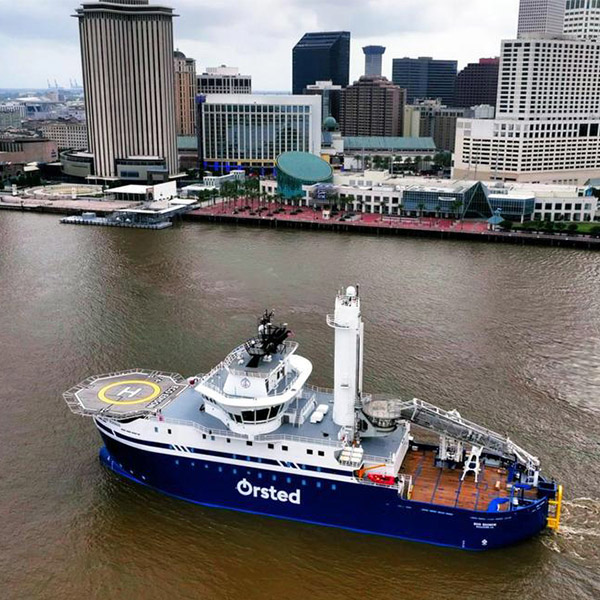
Two offshore wind projects have rebounded from the financial turmoil of 2023, finalizing replacement contracts with New York for 1,734 MW of capacity.
Georgia Power
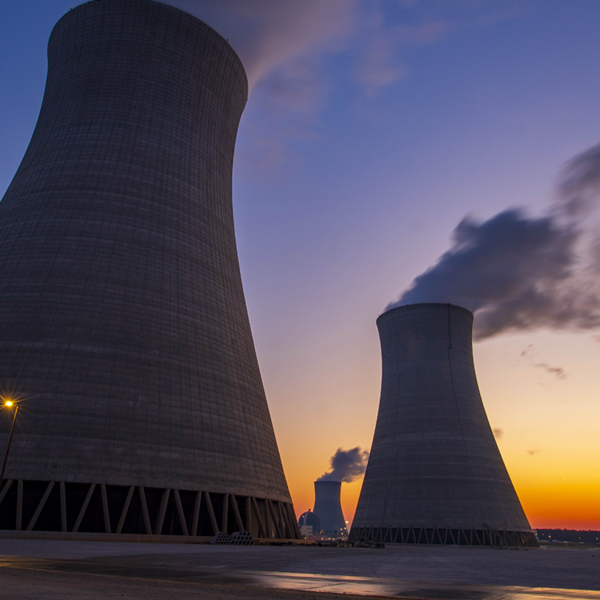
The first new reactors built in the U.S. since 2016, Vogtle’s two units have come online seven years late and $17 billion over budget, leaving subsequent projects surrounded by perceptions of risk.
NREL
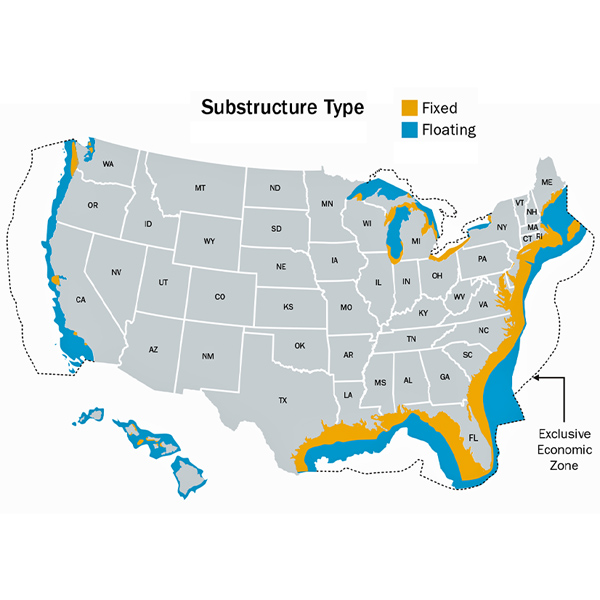
The U.S. Department of Energy has issued an update on federal efforts to speed up development and deployment of floating wind turbines.
EPRI
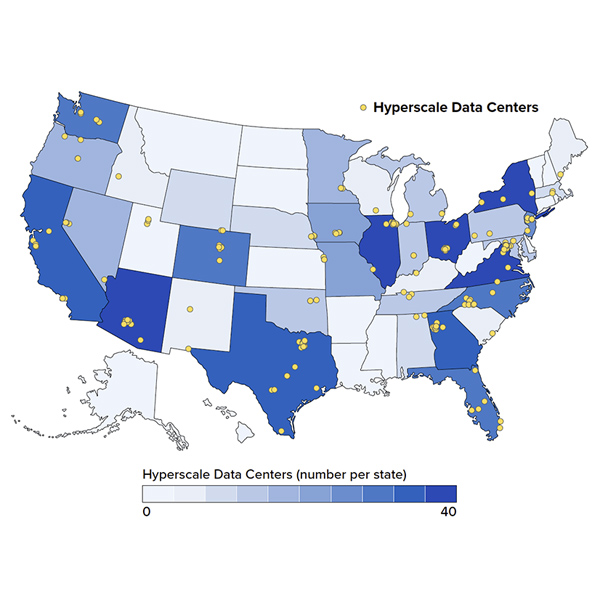
The burgeoning power demand from data centers and artificial intelligence can be met by other means than new natural gas-fired power plants, according to a new report from the Electric Power Research Institute.
Shutterstock
ACEEE published a paper showing how states can maximize the impact of federal funds for home energy retrofits.

Clean Energy States Alliance
Battery storage remains largely reliant on state programs and subsidies to be viable in Massachusetts but could increasingly stand on its own as renewable energy proliferates, a panel of energy storage experts said.
Want more? Advanced Search
