Public Policy
Environmental RegulationsReliabilityState & RegionalAlabamaAlaskaArizonaArkansasCaliforniaColoradoConnecticutDelawareDistrict of ColumbiaFloridaGeorgiaHawaiiIdahoIllinoisIndianaIowaKansasKentuckyLouisianaMaineManitobaMarylandMassachusettsMichiganMinnesotaMississippiMissouriMontanaNebraskaNevadaNew HampshireNew JerseyNew MexicoNew YorkNorth CarolinaNorth DakotaOhioOklahomaOntarioOregonPennsylvaniaRhode IslandRTO-IndianaSouth CarolinaSouth DakotaTennesseeTexasUtahVermontVirginiaWashingtonWest VirginiaWisconsinWyoming
House Energy and Commerce Committee
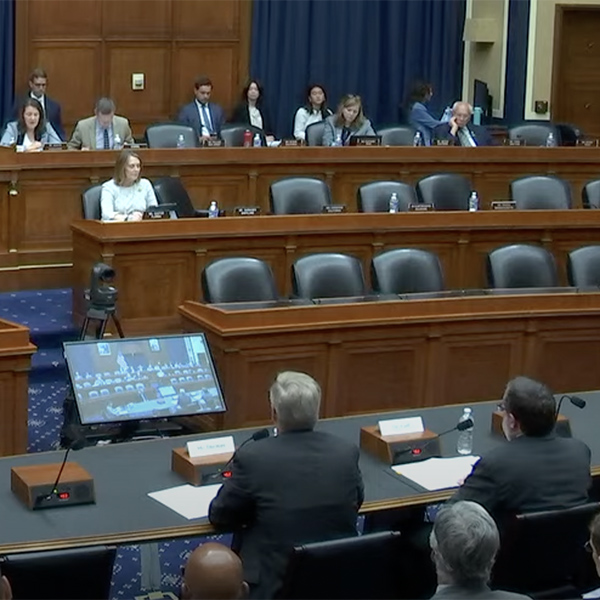
The House Energy and Commerce Subcommittee on Energy, Climate and Grid Security took testimony on 15 bills aimed at promoting advanced nuclear plants.
MDE/CGS
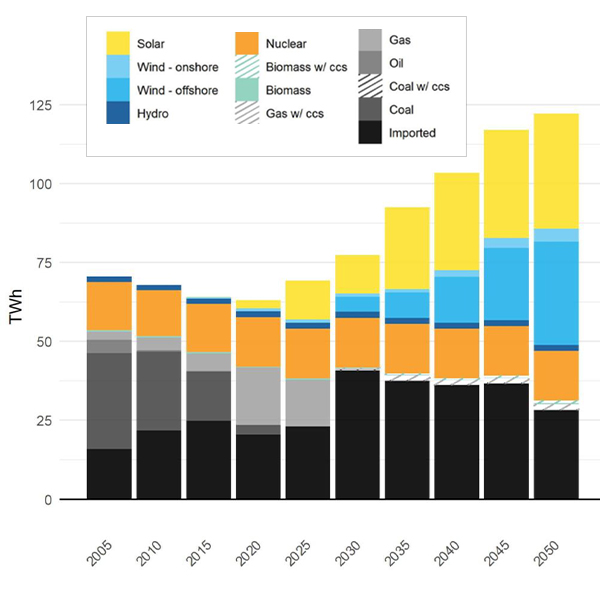
A report lays out a long list of actions Maryland could take to reach the GHG-reduction and clean energy targets set out in its climate law.
NYPA
The committee discussed future energy deficiencies in New York City, NYISO's demand curve reset and impacts from extreme weather in the region.
© RTO Insider LLC
PJM's Planning Committee discussed the recommended load model to be used in the 2023 Reserve Requirement Study (RSS), while the TEAC gave an update on the ongoing third window of its 2022 RTEP and the opening of the 2023 RTEP later this month.

© RTO Insider LLC
Grid-enhancing technologies offer significant savings, but first a naturally conservative industry needs to get used to using the emerging technologies while maintaining reliability.
NYISO
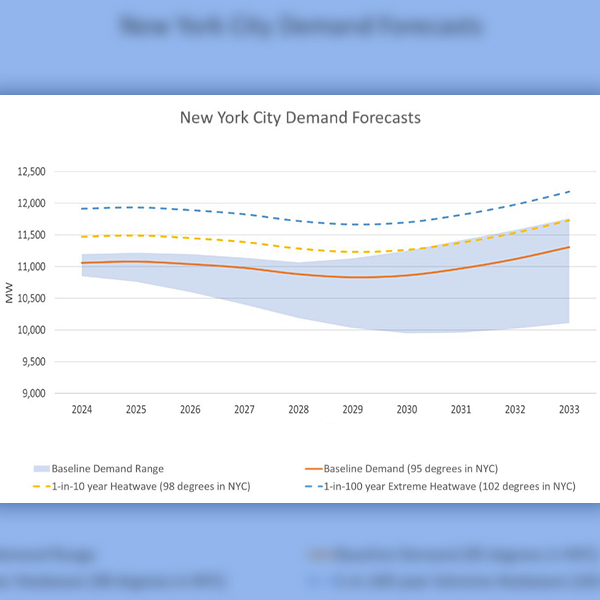
New York City faces a 446-MW shortfall in 2025 because of plant retirements and the delayed completion of the Champlain Hudson Power Express, NYISO said.
OMS and MISO
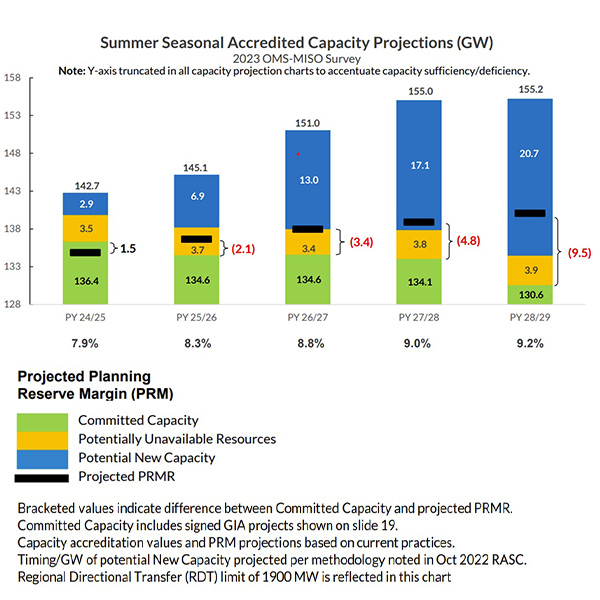
MISO and the Organization of MISO States’ resource adequacy survey warned that a more than 9-GW shortfall could loom by the decade’s end, though it painted an adequate supply picture for the upcoming year.
Shutterstock
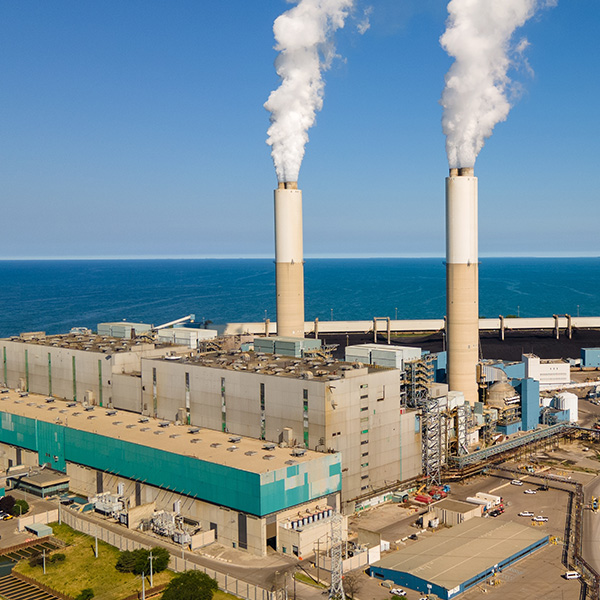
DTE Energy reached an agreement with Michigan officials and environmental groups to add more renewable power and phase out coal use by 2032.
CAISO
Sharing a portion of transmission investment and its returns can turn combative relationships with communities that host infrastructure into collaborative partnerships, speakers said on an AEU webinar.

Shutterstock
NAESB is wrapping up a process to develop recommendations to improve coordination between the natural gas and electric industries, which needs to be improved after it contributed to recent cold weather reliability events.
Want more? Advanced Search