Public Policy
Environmental RegulationsReliabilityState & RegionalAlabamaAlaskaArizonaArkansasCaliforniaColoradoConnecticutDelawareDistrict of ColumbiaFloridaGeorgiaHawaiiIdahoIllinoisIndianaIowaKansasKentuckyLouisianaMaineManitobaMarylandMassachusettsMichiganMinnesotaMississippiMissouriMontanaNebraskaNevadaNew HampshireNew JerseyNew MexicoNew YorkNorth CarolinaNorth DakotaOhioOklahomaOntarioOregonPennsylvaniaRhode IslandRTO-IndianaSouth CarolinaSouth DakotaTennesseeTexasUtahVermontVirginiaWashingtonWest VirginiaWisconsinWyoming
WRA
Industrial electrification can help ease grid pressures when it is designed and meaningfully incentivized for flexibility, says Cihang Yuan, an energy officer for the World Wildlife Fund.

© RTO Insider LLC
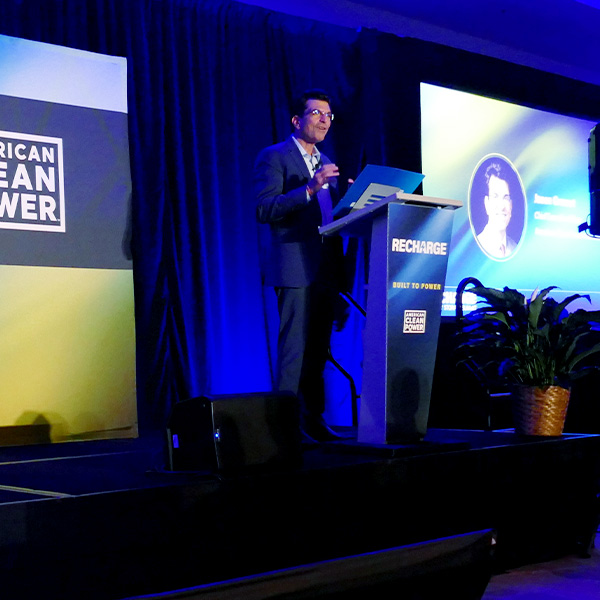
Speakers at a New Jersey energy conference discussed how to confront the energy shortfall and get more power online.
© RTO Insider
Reports of the energy storage industry’s demise are greatly exaggerated, experts said during the American Clean Power Association’s annual Energy Storage Summit.

© RTO Insider
The West-Wide Governance Pathways Initiative’s Launch Committee will hire an executive staffing firm and is considering funding sources as it advances to the next phases of building the independent organization that will govern CAISO’s energy markets.

Constellation Energy
NYPA has begun to sound out developers on how they would partner to build advanced nuclear reactors and sound out communities on why they would be the right place to do it.

Dominion Energy
Dominion Energy reported $1 billion in net income in the third quarter, which saw it remain on track with its offshore wind project while its pipeline of data center customers grew yet again.

Portland General Electric
PGE is exploring an alternative to the Western Power Pool’s Western Resource Adequacy Program that better suits its upcoming participation in CAISO’s Extended Day-Ahead Market, the utility told Oregon regulators.

Consumers Energy
The J.H. Campbell coal plant in Michigan has racked up $80 million in net costs since late May to stay online per emergency orders from the Department of Energy.

PJM
PJM told FERC that a complaint seeking to use statistics to estimate customers’ demand response when accessing meter data is not practical.
Connecticut Executive and Legislative Nominations Committee
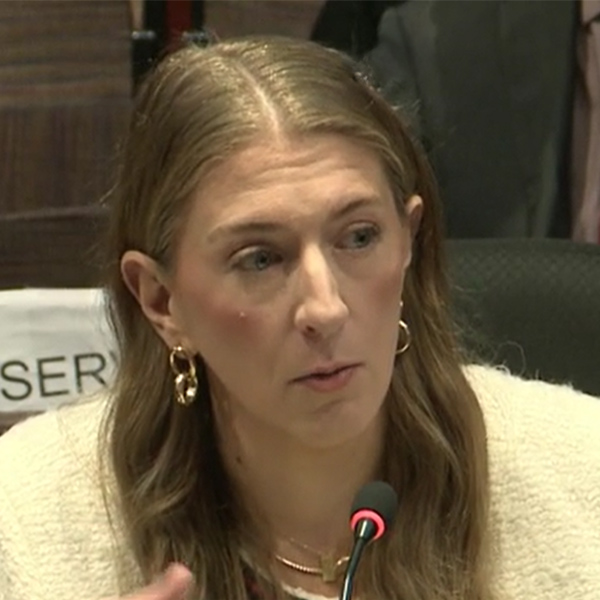
For the Connecticut Public Utilities Regulatory Authority to succeed, an honest, thorough accounting of the Marissa Gillett era is required, says Bryson Hull.
Want more? Advanced Search