
Public Policy
Environmental RegulationsReliabilityState & RegionalAlabamaAlaskaArizonaArkansasCaliforniaColoradoConnecticutDelawareDistrict of ColumbiaFloridaGeorgiaHawaiiIdahoIllinoisIndianaIowaKansasKentuckyLouisianaMaineManitobaMarylandMassachusettsMichiganMinnesotaMississippiMissouriMontanaNebraskaNevadaNew HampshireNew JerseyNew MexicoNew YorkNorth CarolinaNorth DakotaOhioOklahomaOntarioOregonPennsylvaniaRhode IslandRTO-IndianaSouth CarolinaSouth DakotaTennesseeTexasUtahVermontVirginiaWashingtonWest VirginiaWisconsinWyoming

ACORE
ACORE's annual Grid Forum focused on infrastructure policy, transmission planning, energy markets and the Biden administration’s agenda.
Austin Energy
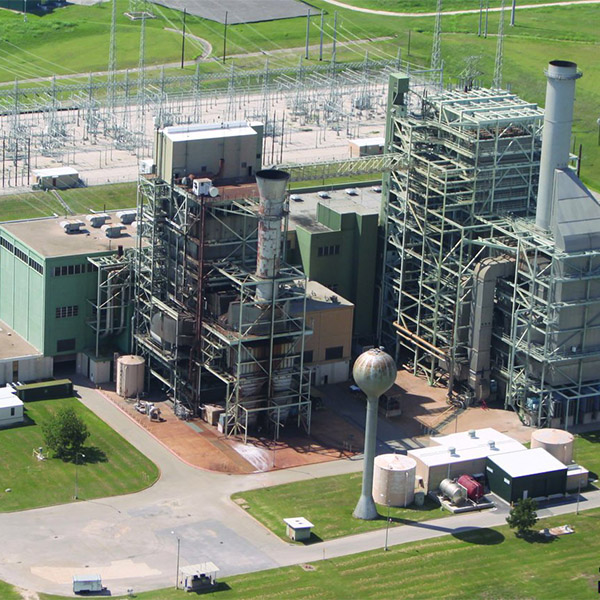
The Texas comptroller says the financial fallout from February’s Winter Storm Uri could be as high as $130 billion, as earlier estimated by the Dallas Fed.
David Maiolo, CC BY-SA-3.0, via Wikimedia
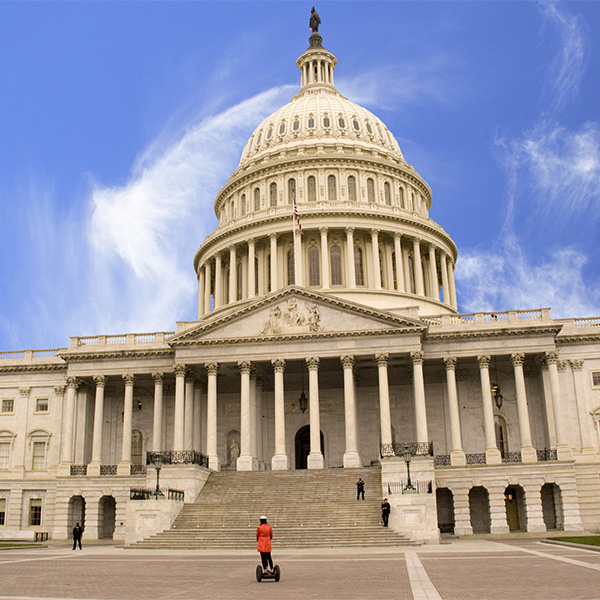
The House of Representatives’ passage of the bipartisan Infrastructure Investment and Jobs Act quickly set off a chorus of praise from clean energy groups.
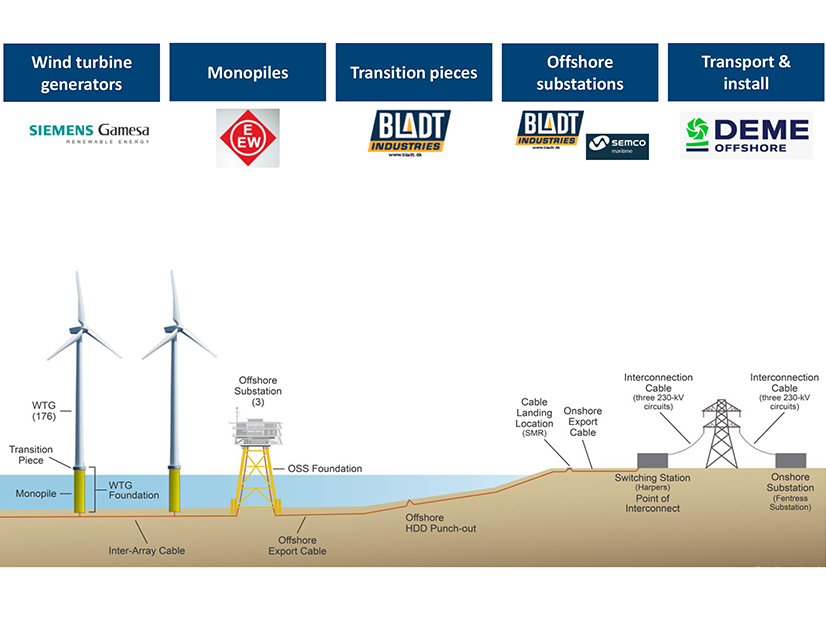
Dominion Energy said the cost of its Coastal Virginia Offshore Wind project has increased by more than 20% to $9.8 billion.

Office of the Governor of the State of Hawaii
The Hawaii Climate Change Mitigation and Adaptation Commission met last week to recap its progress over the past year and set the stage for the UN's COP26.

ISO-NE
ISO-NE asked FERC to terminate the capacity supply obligation for the 650-MW gas-fired Killingly Energy Center in eastern Connecticut.
PJM
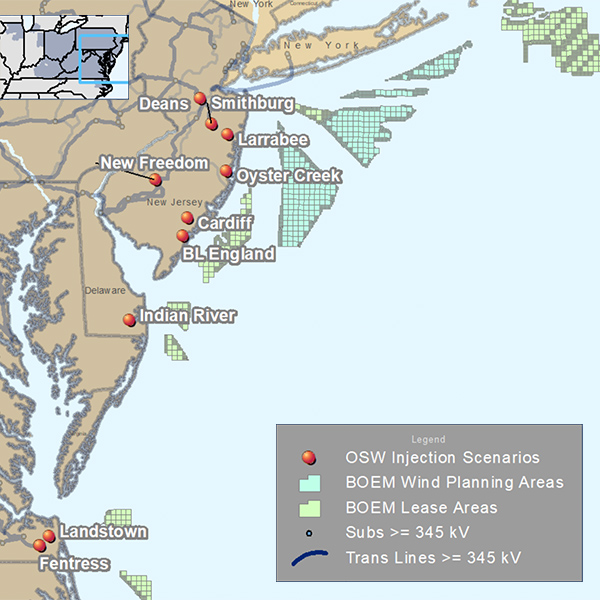
A group of environmentalists and clean energy industry proponents asked RTOs in the Northeast to conduct interregional offshore wind transmission studies.
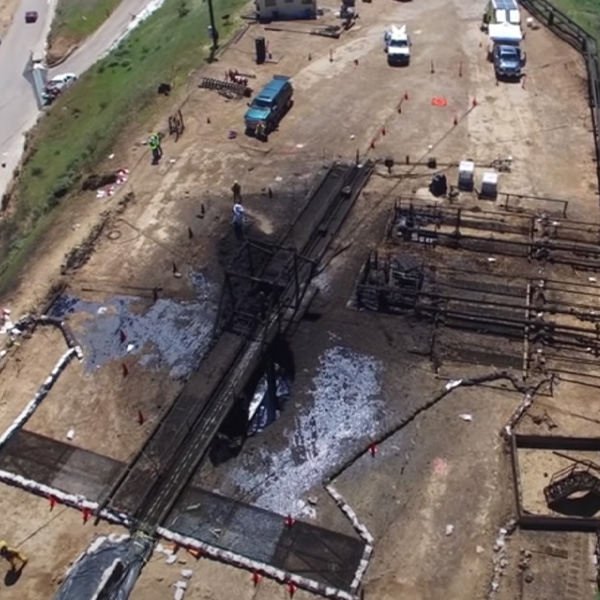
Blade Energy Partners/CPUC
Worried about reliability, the California PUC voted to increase the volume of natural gas stored at Aliso Canyon, site of a massive methane leak in 2015.

© RTO Insider LLC
Eversource warned that customers will likely see a spike in their bills this winter compared to last year’s, as natural gas prices surge nationwide.
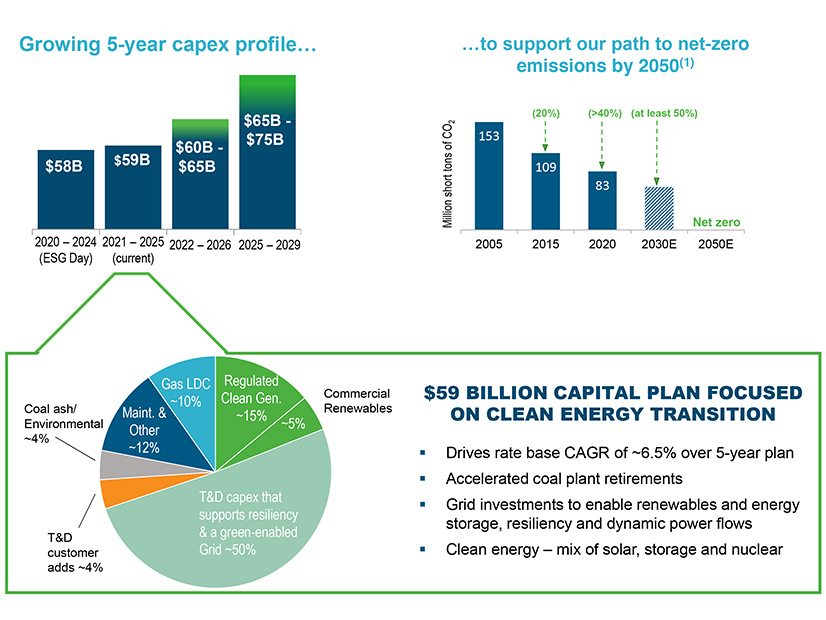
Duke Energy
North Carolina law has upped the ante on utility carbon emissions reductions — requiring a 70% cut by 2030.
Want more? Advanced Search
