
Public Policy
Environmental RegulationsReliabilityState & RegionalAlabamaAlaskaArizonaArkansasCaliforniaColoradoConnecticutDelawareDistrict of ColumbiaFloridaGeorgiaHawaiiIdahoIllinoisIndianaIowaKansasKentuckyLouisianaMaineManitobaMarylandMassachusettsMichiganMinnesotaMississippiMissouriMontanaNebraskaNevadaNew HampshireNew JerseyNew MexicoNew YorkNorth CarolinaNorth DakotaOhioOklahomaOntarioOregonPennsylvaniaRhode IslandRTO-IndianaSouth CarolinaSouth DakotaTennesseeTexasUtahVermontVirginiaWashingtonWest VirginiaWisconsinWyoming

© RTO Insider LLC
A bill that would allow the sale of gasoline containing up to 15% ethanol in Nevada is one of the energy-related bills awaiting the governor's signature.
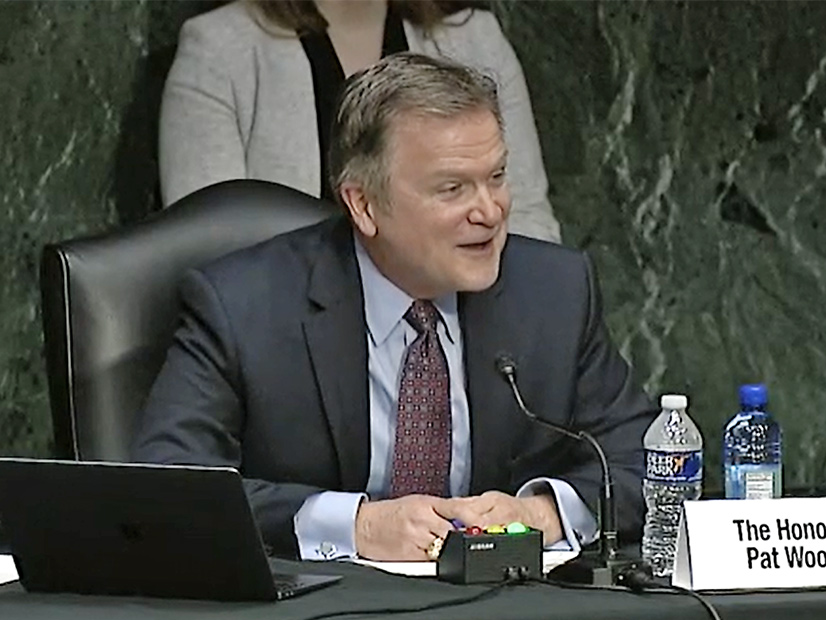
U.S. House of Representatives
Five former Texas regulators have released a report with recommendations to prevent additional weather-driven blackouts like those in February.

City of Honolulu
The Honolulu City Council adopted a new climate action plan that details strategies for curbing the city's GHGs while boosting renewable energy infrastructure.

Pattern Energy
MISO staff said the footprint is in for more extreme ramping events after a late April drop in wind output.
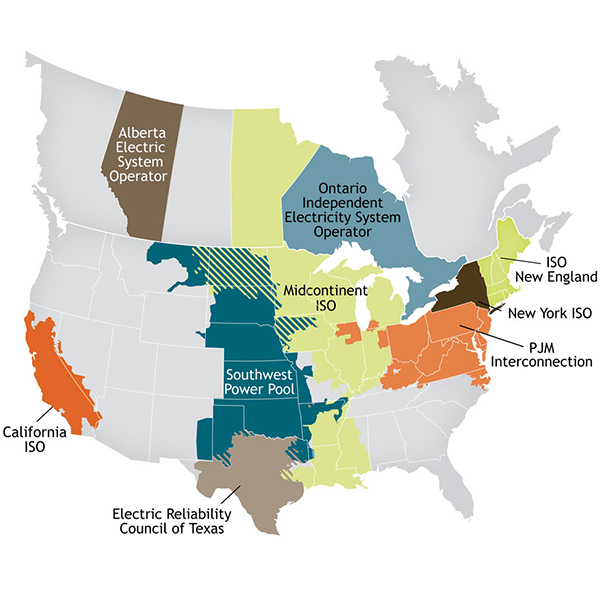
ISO/RTO Council
Nine former FERC members urged the commission Wednesday to push for organized power markets in all regions of the country, including the West and Southeast.
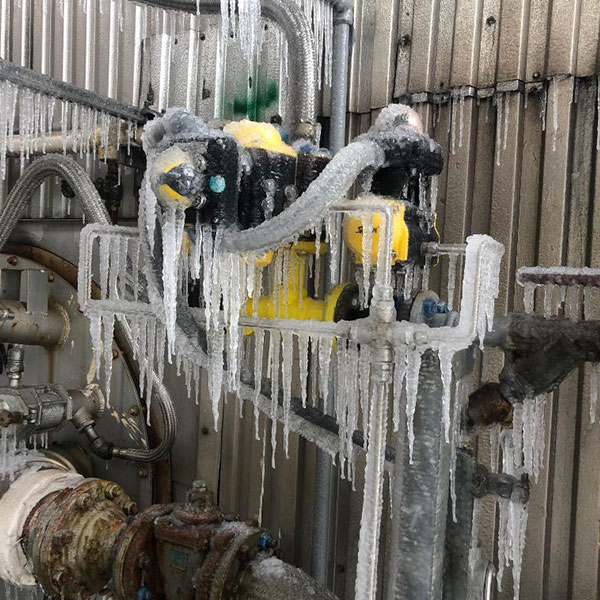
Entergy
Day two of FERC’s technical conference emphasized the need for more transmission to facilitate trading and properly compensating demand-side resources.
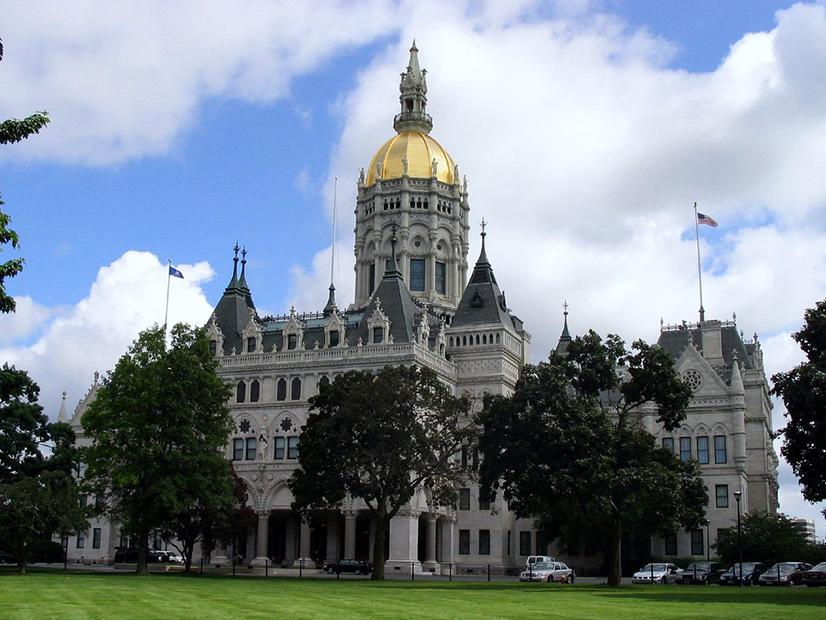
jglazer75, CC BY-SA 2.0, via Wikimedia Commons
Connecticut lawmakers passed legislation that targets 1 GW of energy storage deployment by the end of 2030.

SunCommon
Vermont energy officials will be looking at tradeoffs among policies and milestones for success for the state's next energy plan.

© RTO Insider LLC
The U.S. could save $35 billion by 2031 by immediately eliminating fossil fuel tax preferences, according to a line item in President Biden’s 2022 budget.
Texas House of Representatives
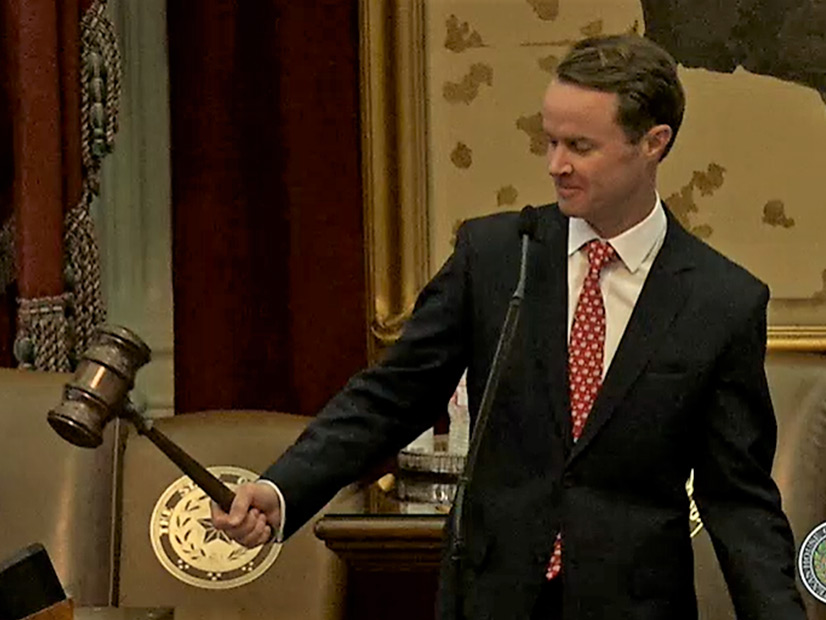
The Texas Legislature has adjourned, having passed just enough reforms in the wake of February's arctic event to protect the ERCOT grid this summer.
Want more? Advanced Search
