Public Policy
Environmental RegulationsReliabilityState & RegionalAlabamaAlaskaArizonaArkansasCaliforniaColoradoConnecticutDelawareDistrict of ColumbiaFloridaGeorgiaHawaiiIdahoIllinoisIndianaIowaKansasKentuckyLouisianaMaineManitobaMarylandMassachusettsMichiganMinnesotaMississippiMissouriMontanaNebraskaNevadaNew HampshireNew JerseyNew MexicoNew YorkNorth CarolinaNorth DakotaOhioOklahomaOntarioOregonPennsylvaniaRhode IslandRTO-IndianaSouth CarolinaSouth DakotaTennesseeTexasUtahVermontVirginiaWashingtonWest VirginiaWisconsinWyoming
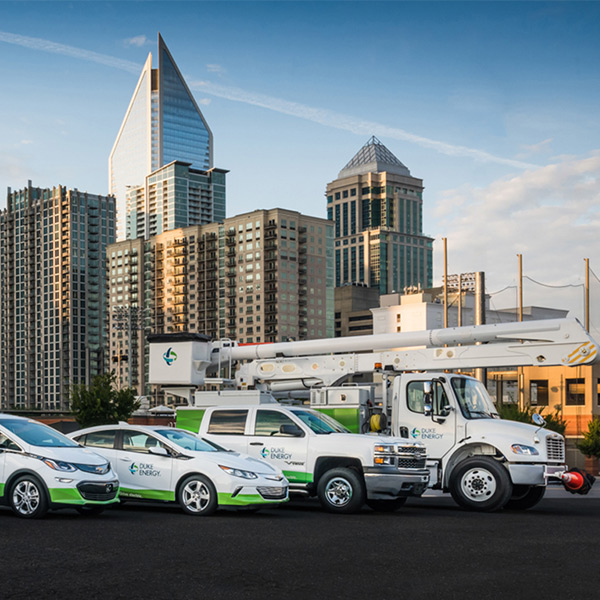
Duke Energy proposed spending $56 million to add 1,000 EV charging ports and fund 60 electric school buses in North Carolina.
Solidia Technologies
New Jersey legislators passed a bill requiring builders to offer low-carbon concrete as an option and creating tax incentives for companies that purchase it.
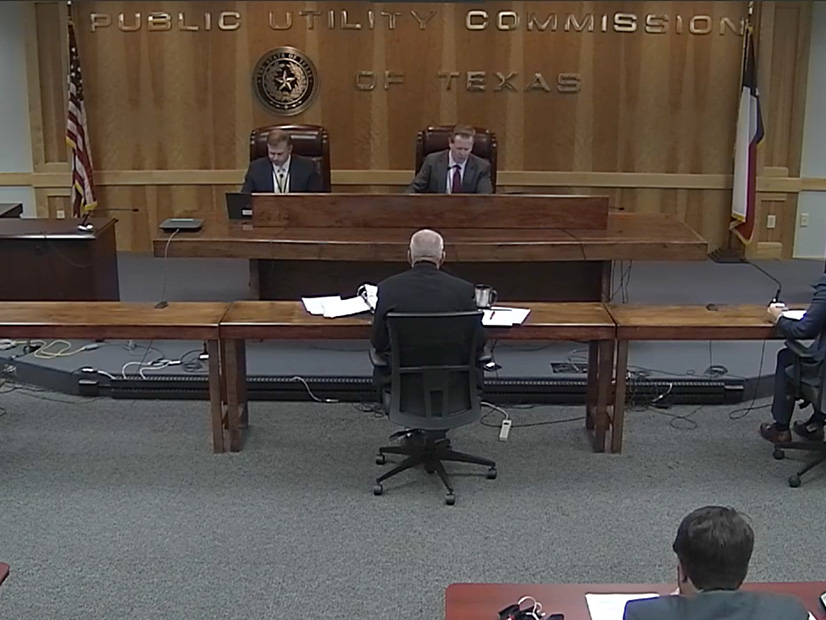
Texas lawmakers passed several bills in response to the ERCOT grid’s near collapse during February’s winter storm.
Duke Energy
Panelists told FERC at a virtual technical conference that considering how climate change may affect the future grid is especially challenging.
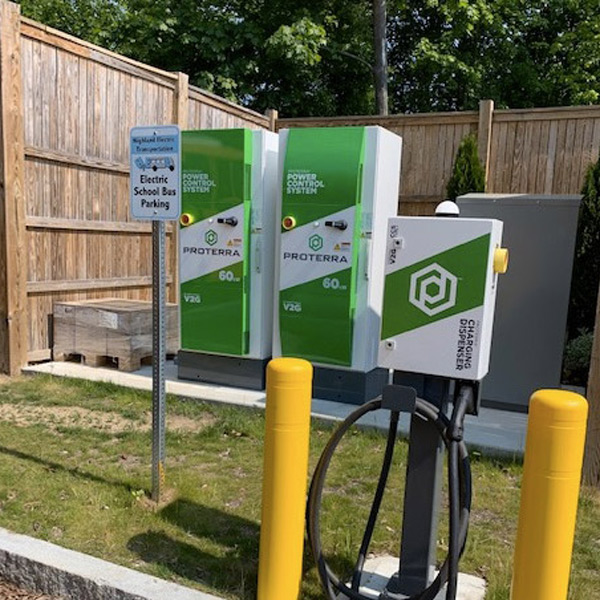
The Beverly School District is selling power from its electric bus battery charging system back to the grid during peak demand.
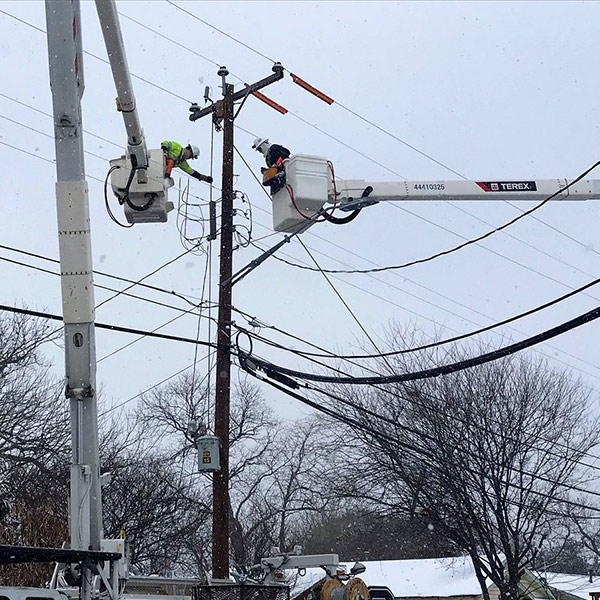
CPS Energy is celebrating a pair of victories in its battle with ERCOT over the nearly $50 billion in market transactions during the February winter storm.

The Biden administration is taking a whole-of-government approach to meeting its goal to deploy 30 GW of OSW by 2030, a top federal energy official said.
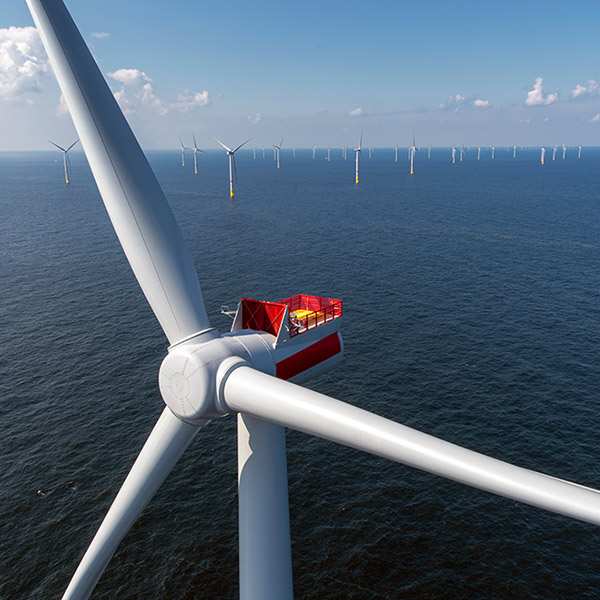
California’s goal of 100% renewables by 2045 makes a suggested offshore wind development target of at least 10 GW insufficient, a major developer said.

Berkshire Hathaway Energy to break ground on a California demonstration plant to extract lithium from brine pumped from geothermal wells.
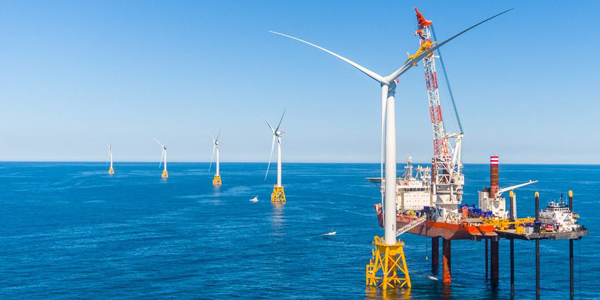
Offshore wind developers are stressing that carefully coordinated port development, which could require massive funding, is key to achieving state goals.
Want more? Advanced Search