Public Policy
Environmental RegulationsReliabilityState & RegionalAlabamaAlaskaArizonaArkansasCaliforniaColoradoConnecticutDelawareDistrict of ColumbiaFloridaGeorgiaHawaiiIdahoIllinoisIndianaIowaKansasKentuckyLouisianaMaineManitobaMarylandMassachusettsMichiganMinnesotaMississippiMissouriMontanaNebraskaNevadaNew HampshireNew JerseyNew MexicoNew YorkNorth CarolinaNorth DakotaOhioOklahomaOntarioOregonPennsylvaniaRhode IslandRTO-IndianaSouth CarolinaSouth DakotaTennesseeTexasUtahVermontVirginiaWashingtonWest VirginiaWisconsinWyoming

© RTO Insider LLC
In a surprise move, President Donald Trump will tap Democratic Commissioner David Rosner to become FERC chair, multiple news outlets have reported.

© RTO Insider
Mark Christie announced he was stepping down as chair of FERC effective at close of business Aug. 8, and filed one last dissent the previous day.

© RTO Insider LLC
The growing number of data centers offers a major growth opportunity for demand response, as it can help get the energy-hungry facilities online quicker than new generation, speakers said at CPower Energy’s GridFuture 2025 conference.
Shutterstock
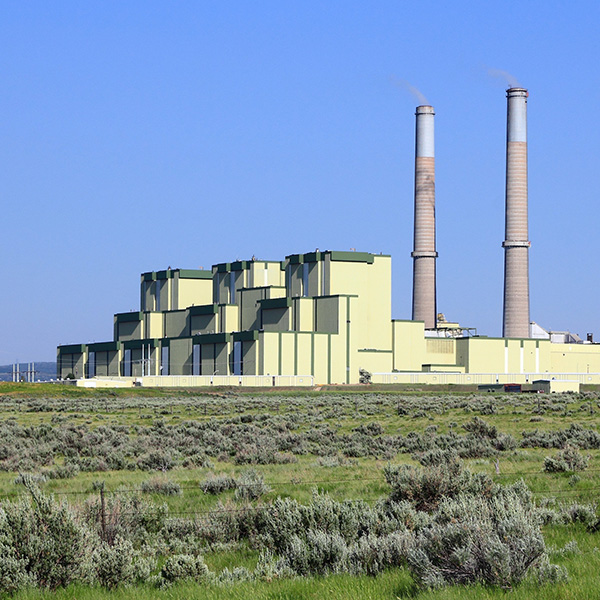
Colorado regulators have approved Tri-State Generation and Transmission Association’s plan to add 1,657 MW of new resources from 2026 to 2031, despite objections about the inclusion of a new natural gas plant.
Washington State Department of Transportation
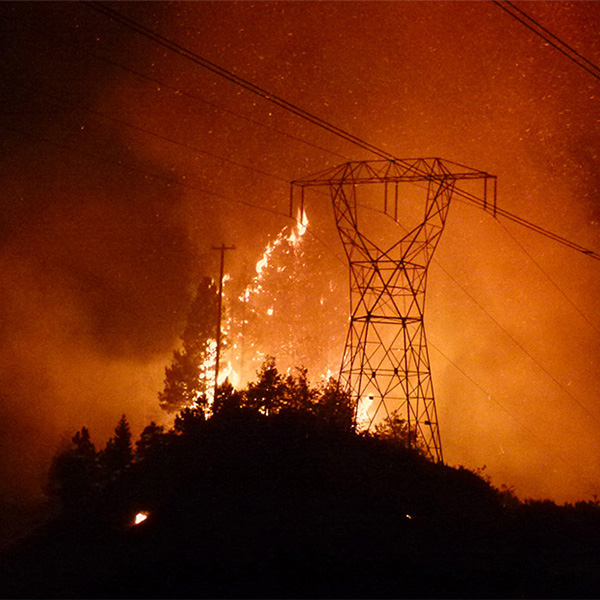
As large swaths of the West continue to explore ways to mitigate wildfire risk, utilities say information sharing and new technologies allow them to implement targeted public safety power shutoffs.
ITC and ATC
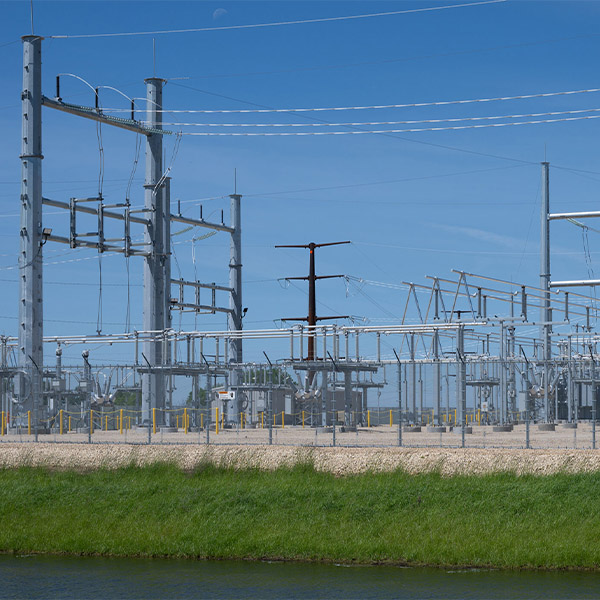
MISO asked FERC for a month to prepare a defense of its second long-range transmission portfolio, which is being challenged by five state commissions in the footprint.
Constellation
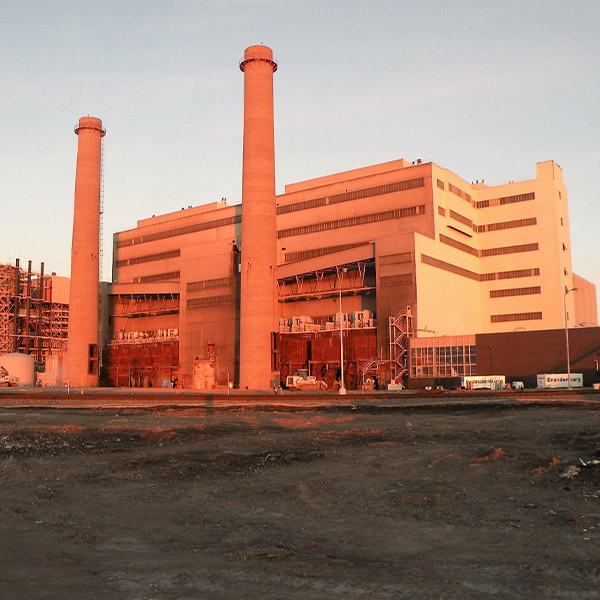
Three clean energy trade groups asked DOE to reconsider its recent report on resource adequacy, which they contend uses a deterministic approach to stake out a position for not retiring any more power plants in the face of rising electricity demand.

Duke Energy
Duke Energy reported earnings of $1.25/share for the second quarter, and its CEO told analysts the company also came out ahead with state and federal legislation.

Google
Google reached demand response agreements with Indiana Michigan Power and the Tennessee Valley Authority to reduce power use by its data centers during critical periods.
PSEG
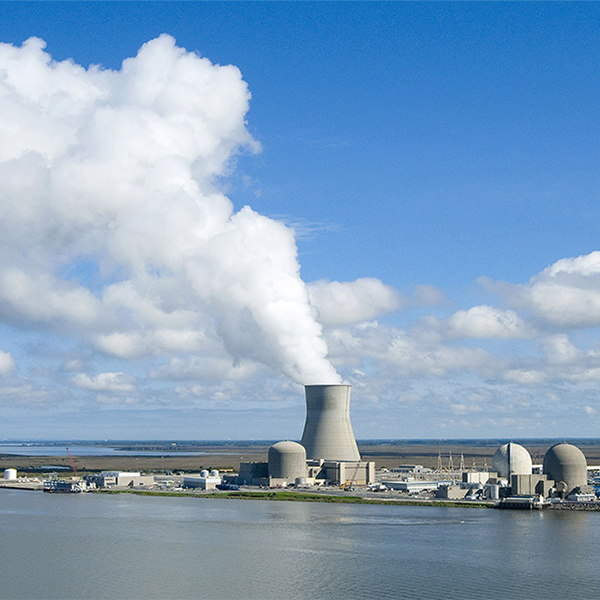
The Public Service Enterprise Group is waiting for New Jersey to address the region’s predicted energy shortage as the utility continues to see a dramatic rise in potential demand from data centers.
Want more? Advanced Search