Public Policy
Environmental RegulationsReliabilityState & RegionalAlabamaAlaskaArizonaArkansasCaliforniaColoradoConnecticutDelawareDistrict of ColumbiaFloridaGeorgiaHawaiiIdahoIllinoisIndianaIowaKansasKentuckyLouisianaMaineManitobaMarylandMassachusettsMichiganMinnesotaMississippiMissouriMontanaNebraskaNevadaNew HampshireNew JerseyNew MexicoNew YorkNorth CarolinaNorth DakotaOhioOklahomaOntarioOregonPennsylvaniaRhode IslandRTO-IndianaSouth CarolinaSouth DakotaTennesseeTexasUtahVermontVirginiaWashingtonWest VirginiaWisconsinWyoming

Meta
California continues to go all in on data center development, with Pacific Gas and Electric playing its role in the last quarter of 2025 by pushing gigawatts of projects through the investor-owned utility’s design and approval process.
© RTO Insider
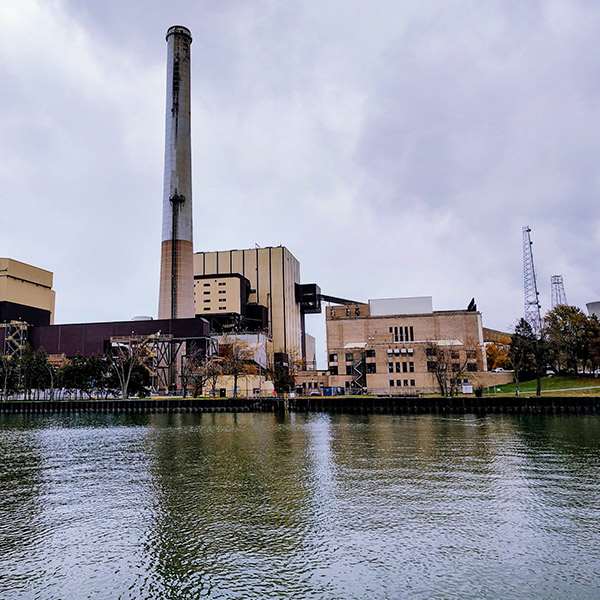
A consumer advocate says the affordability crisis dogging Northern Indiana Public Service Co.’s ratepayers is the product of an indulgent state legislature.
Western Energy Markets
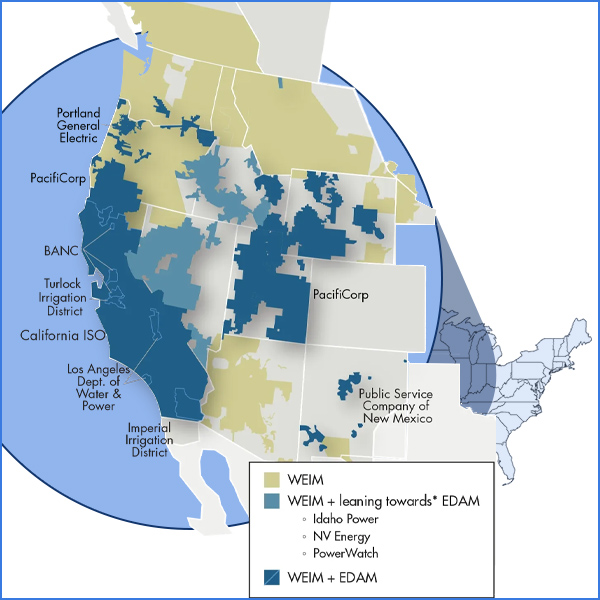
Some parties are urging Nevada regulators to wait until initial results are in for CAISO's Extended Day-Ahead Market before deciding whether to allow NV Energy to join.

Raritan Valley Community College
New Jersey’s Board of Public Utilities is asking the state’s four utilities for thoughts on how to help waive regulations and speed up the connection of distributed energy resources as it seeks to modernize its grid.
NIPSCO
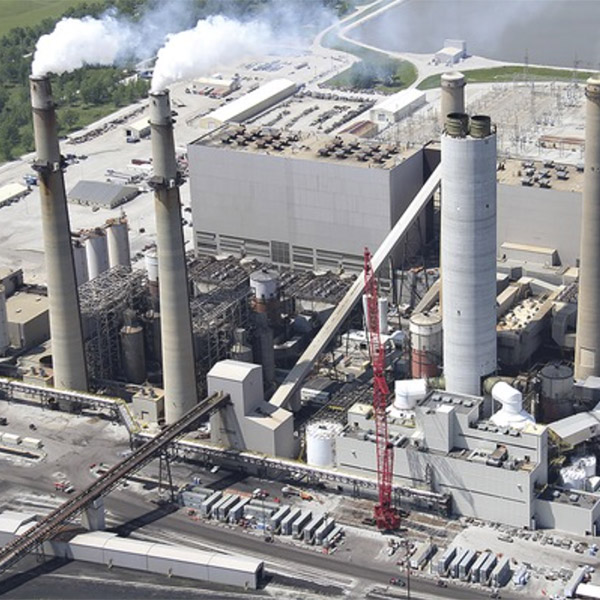
NIPSCO insisted to FERC that a MISO Midwest-wide cost allocation for the continued operation of an Indiana coal plant is the quickest solution.

© RTO Insider
SPP's Board of Directors approved a framework for demand response and peak demand assessments despite opposition from members and stakeholders.
Invenergy
NERC officials appeared before an Organization of MISO States board meeting in an attempt to quell regulators’ discontent with MISO’s “high-risk” label in the 2025 Long-Term Reliability Assessment.
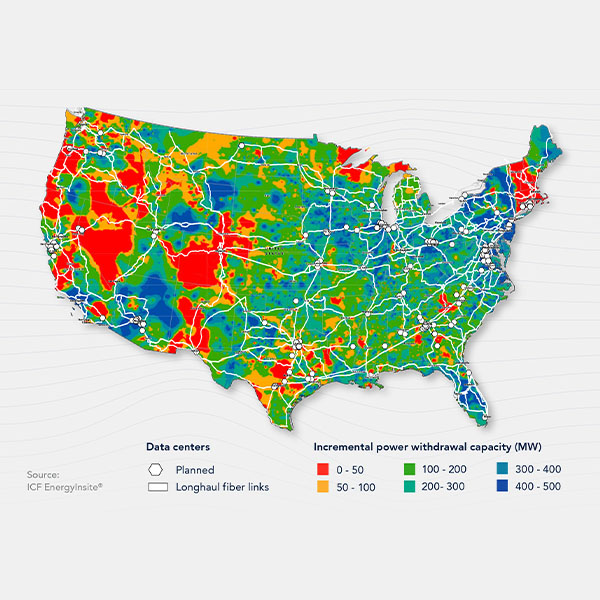
ICF EnergyInsite
An alternative to connecting a large data center load to the electrical grid is a private, fully off-grid energy system, writes Travis Fisher of Cato.
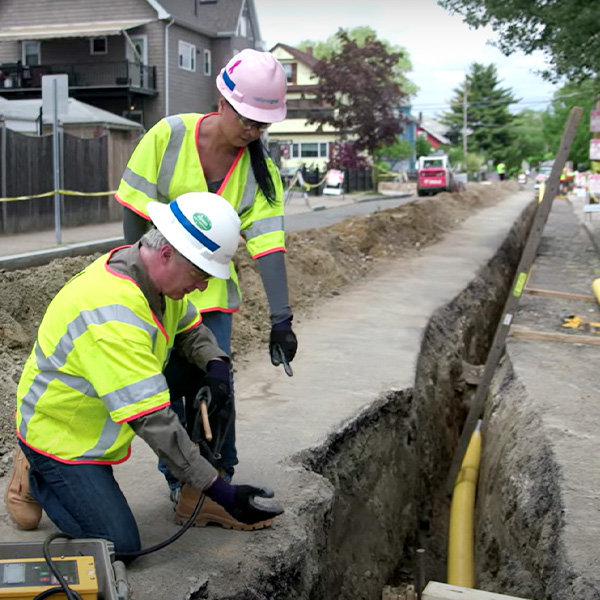
National Grid
In Massachusetts, a state with some of the most ambitious decarbonization policies in the country, fundamental disagreements between utilities and consumer advocates threaten to derail the transition from natural gas before it even gets off the ground.
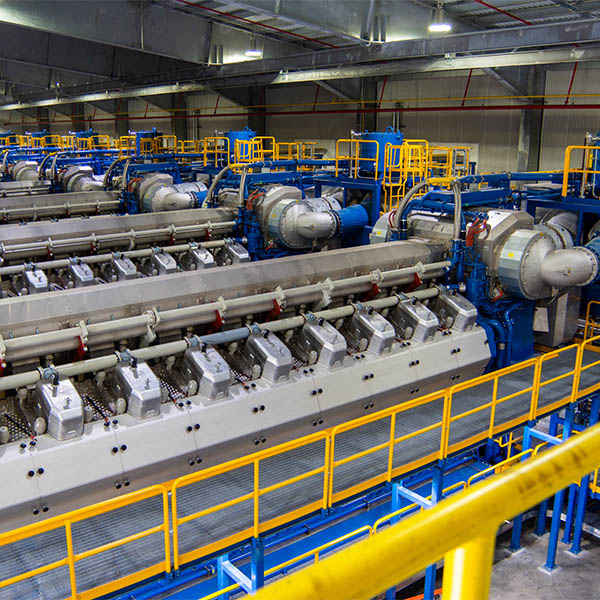
WEC Energy Group
MISO state regulators are considering asking the RTO to keep tabs on resource adequacy risk indicators as they contemplate crafting a replacement standard in the footprint.
Want more? Advanced Search