Public Policy
Environmental RegulationsReliabilityState & RegionalAlabamaAlaskaArizonaArkansasCaliforniaColoradoConnecticutDelawareDistrict of ColumbiaFloridaGeorgiaHawaiiIdahoIllinoisIndianaIowaKansasKentuckyLouisianaMaineManitobaMarylandMassachusettsMichiganMinnesotaMississippiMissouriMontanaNebraskaNevadaNew HampshireNew JerseyNew MexicoNew YorkNorth CarolinaNorth DakotaOhioOklahomaOntarioOregonPennsylvaniaRhode IslandRTO-IndianaSouth CarolinaSouth DakotaTennesseeTexasUtahVermontVirginiaWashingtonWest VirginiaWisconsinWyoming

BLM
With data centers already causing “major disturbances” on the grid, the industry could learn lessons from the recent growth and implementation of IBRs, according to a new Elevate Energy Consulting study.
Brattle Group
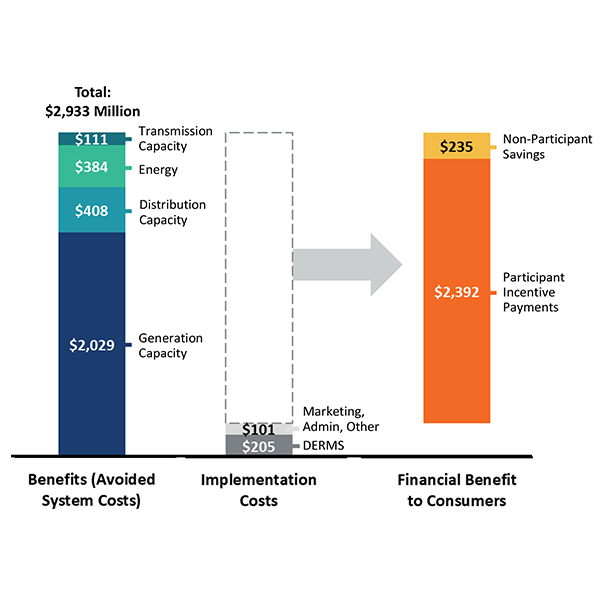
A Brattle Group study found that New York could achieve 8.5 GW in “grid flexibility” measures by 2040, saving consumers more than $2 billion a year.

© RTO Insider LLC
Participants at the National Association of Regulatory Utility Commissioners’ Winter Policy Summit emphasized the need for additional investment in the grid.

© RTO Insider LLC
ERCOT stakeholders have begun discussions on a pair of protocol revision requests related to the grid operator’s real-time co-optimization and battery project, set to go live in December.

© RTO Insider LLC
The end of Chevron deference has FERC's legal team looking for a case to determine how much authority courts will provide the agency, especially around interpreting the contracts and tariffs that fall under its jurisdiction.

© RTO Insider LLC
One of the major topics at NARUC's Winter Policy Summit was demand growth driven by data centers, which brings plenty of uncertainty with it.
ERCOT
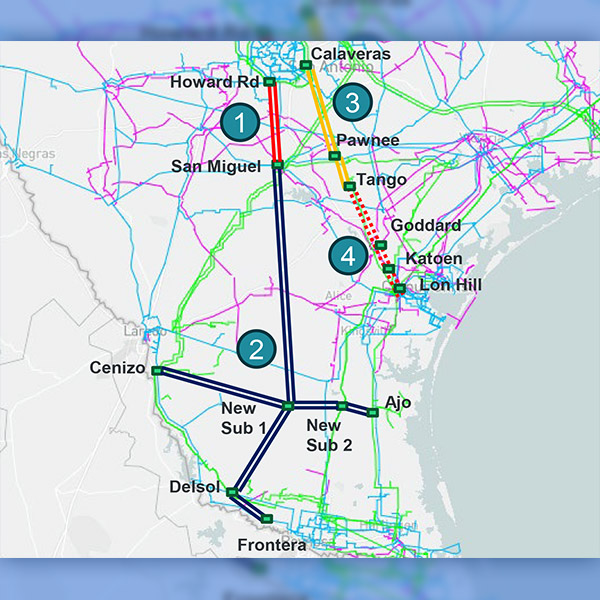
ERCOT’s Board of Directors has approved staff’s recommendation to pursue the use of 15 mobile generators as an alternative to extending the life of two aging gas units slated for retirement in South Texas.
Connecticut Executive and Legislative Nominations Committee
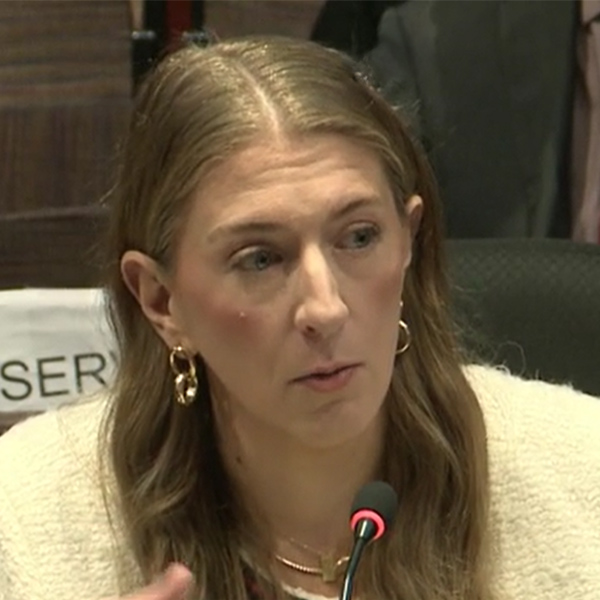
Marissa Gillett, the top regulator at the Connecticut PURA, is poised to be reappointed amid utility lawsuits and outcry about the state’s regulatory environment.

SPP
Public Service Company of Colorado asked the Colorado Public Utilities Commission for permission to join SPP’s Markets+.
PSEG
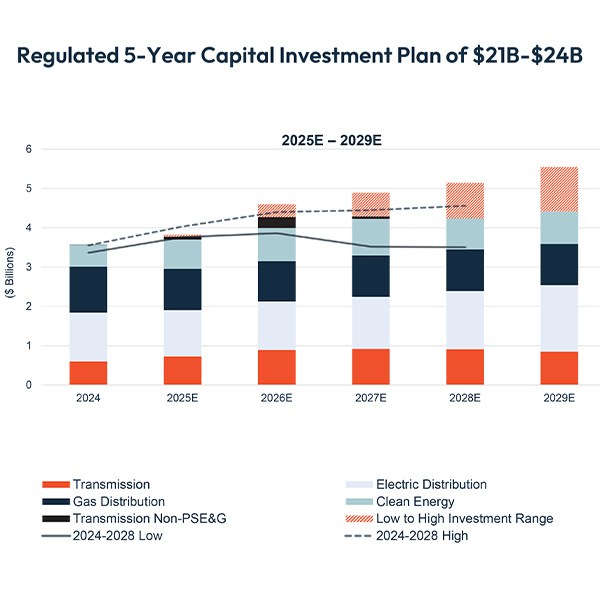
Public Service Enterprise Group saw an “over-12-fold” increase in mature leads and inquiries from customers exploring “large load and data center projects” over the past year, CEO Ralph LaRossa said in the utility’s fourth-quarter earnings call.
Want more? Advanced Search