Public Policy
Environmental RegulationsReliabilityState & RegionalAlabamaAlaskaArizonaArkansasCaliforniaColoradoConnecticutDelawareDistrict of ColumbiaFloridaGeorgiaHawaiiIdahoIllinoisIndianaIowaKansasKentuckyLouisianaMaineManitobaMarylandMassachusettsMichiganMinnesotaMississippiMissouriMontanaNebraskaNevadaNew HampshireNew JerseyNew MexicoNew YorkNorth CarolinaNorth DakotaOhioOklahomaOntarioOregonPennsylvaniaRhode IslandRTO-IndianaSouth CarolinaSouth DakotaTennesseeTexasUtahVermontVirginiaWashingtonWest VirginiaWisconsinWyoming

Shutterstock
A report released in February by Aurora Energy Research has found that President Donald Trump’s executive orders have put 43 GW of East Coast offshore wind projects at risk of permitting delay.

Supreme Court of Texas
The Texas Supreme Court heard oral arguments from distribution utilities seeking to dismiss what may be the final lawsuit stemming from February 2021's Winter Storm Uri.
© RTO Insider LLC
The language for the proposed bill to implement “Step 2” of the West-Wide Governance Pathways Initiative stipulates the conditions under which CAISO and California utilities can participate in energy markets governed by an independent regional organization.
Admin Monitor
ERCOT wants to use CenterPoint Energy's leased mobile generators to temporarily resolve reliability issues in the San Antonio area.

Josh Becker for California
California state lawmakers introduced a much-anticipated bill to implement “Step 2” of the West-Wide Governance Pathways Initiative, marking a significant step toward the creation of a new independent “regional organization” to oversee governance of CAISO’s markets.
Shutterstock
FERC denied LS Power’s two petitions for recovery of costs in case the development of a 285-mile transmission line is abandoned, saying the developer failed to adequately show the project’s benefits.
ERCOT
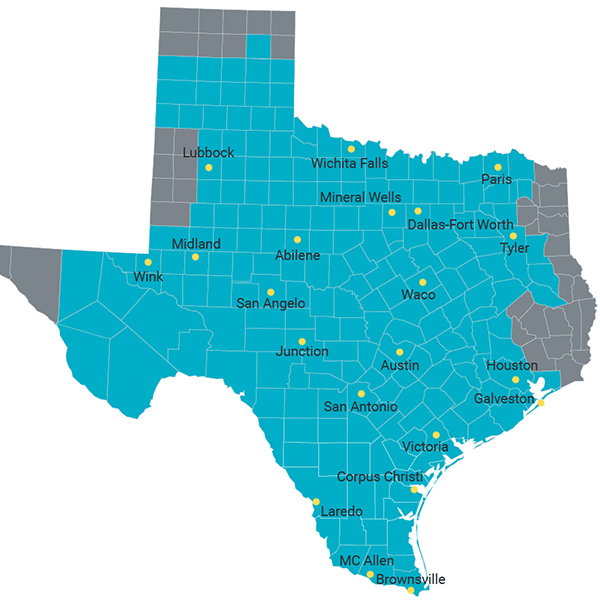
Two energy companies have withdrawn projects from the Texas Energy Fund, citing equipment procurement constraints that will keep them from meeting a December 2025 deadline.
© RTO Insider LLC
FERC approved a suite of changes to PJM's next couple of capacity auctions, which are meant to mitigate billing impacts as the supply-demand dynamic in the region tightens and longer-term reforms are pursued.
SEIA
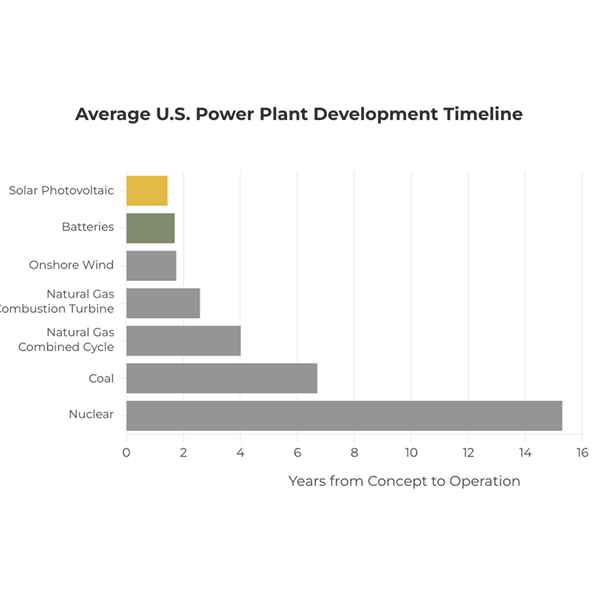
To build a reliable, affordable and clean electric power system, the U.S. energy industry and customers will need to shift their thinking about what a reliable system looks like, according to a study from nonprofit think tank Energy Innovation Policy & Technology.
NW Energy Coalition
The deadline to submit bills for California’s 2025 session is looming, and backers of the West-Wide Governance Pathways Initiative expect legislation without unnecessary fluff that will change CAISO’s governance structure and allow a new regional organization to oversee Western energy markets.
Want more? Advanced Search