
State & Regional
AlabamaAlaskaArizonaArkansasCaliforniaColoradoConnecticutDelawareDistrict of ColumbiaFloridaGeorgiaHawaiiIdahoIllinoisIndianaIowaKansasKentuckyLouisianaMaineManitobaMarylandMassachusettsMichiganMinnesotaMississippiMissouriMontanaNebraskaNevadaNew HampshireNew JerseyNew MexicoNew YorkNorth CarolinaNorth DakotaOhioOklahomaOntarioOregonPennsylvaniaRhode IslandRTO-IndianaSouth CarolinaSouth DakotaTennesseeTexasUtahVermontVirginiaWashingtonWest VirginiaWisconsinWyoming
© RTO Insider
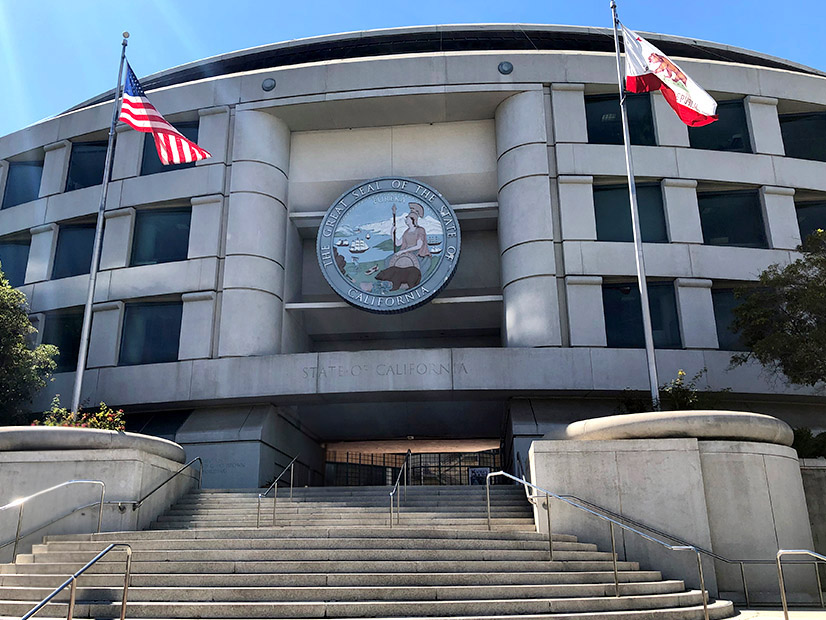
A California Senate committee has advanced a bill that would allow load-serving entities to trade capacity on an hourly basis to meet the state’s slice-of-day resource adequacy requirements.
Potomac Riverkeepers
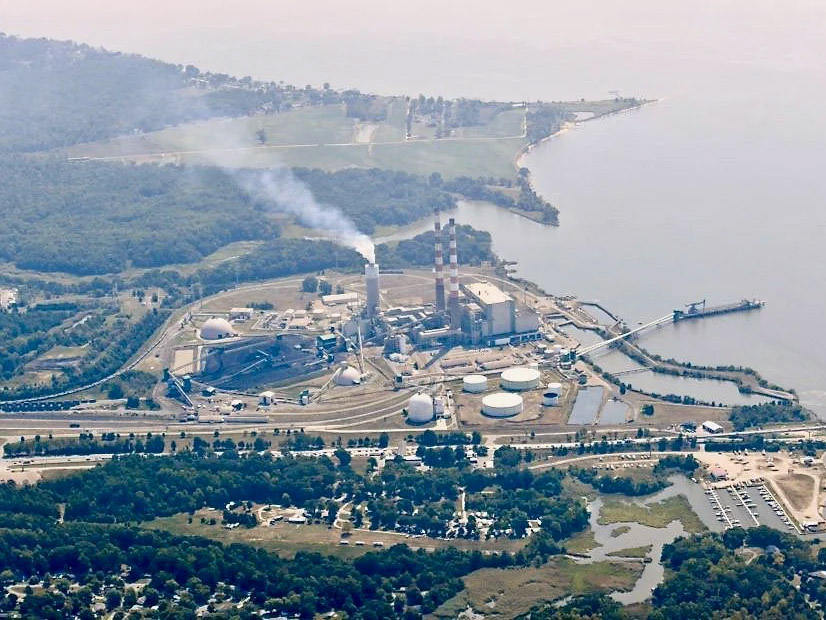
A FERC proceeding seeking approval to purchase an old oil-fired power plant in southern Maryland has drawn multiple protests because its buyer wants to co-locate a data center.
New York Department of Public Service
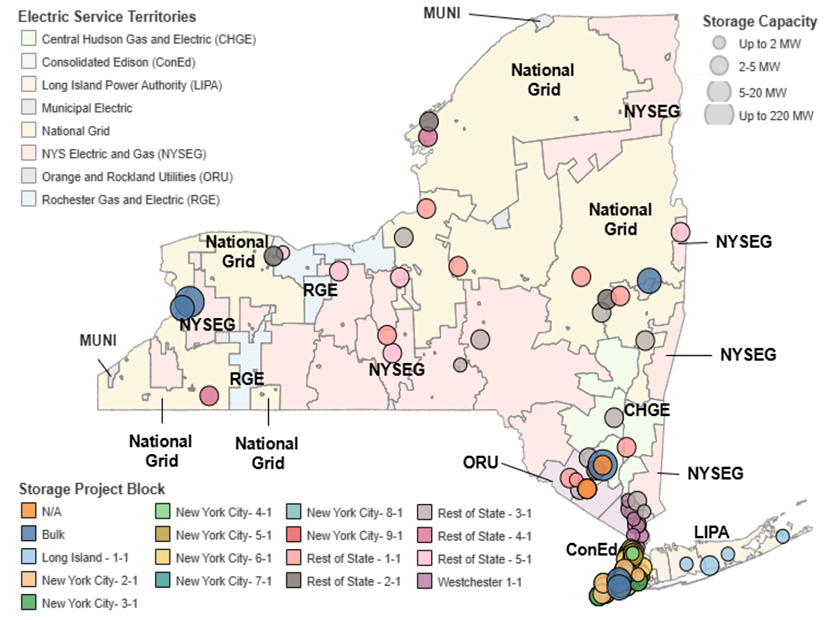
New York has far exceeded the interim target on its energy storage roadmap — 1.5 GW of capacity by the end of 2025 — but has more work ahead as it pursues 6 GW by 2030.
JIRSA Hedrick
Xcel Energy is seeking approval for a large load tariff in Colorado that includes an optional clean transition tariff to encourage the development of emerging carbon-free resources.
Bechtel
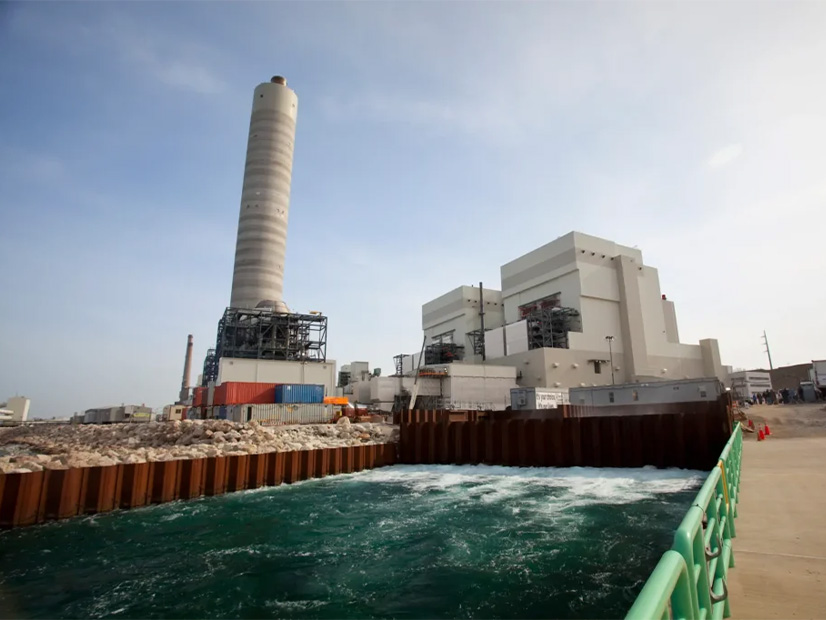
We Energies announced it will extend the operating lives of coal-fired Units 7 and 8 at its Oak Creek Power Plant through the end of 2027.
Calvert County
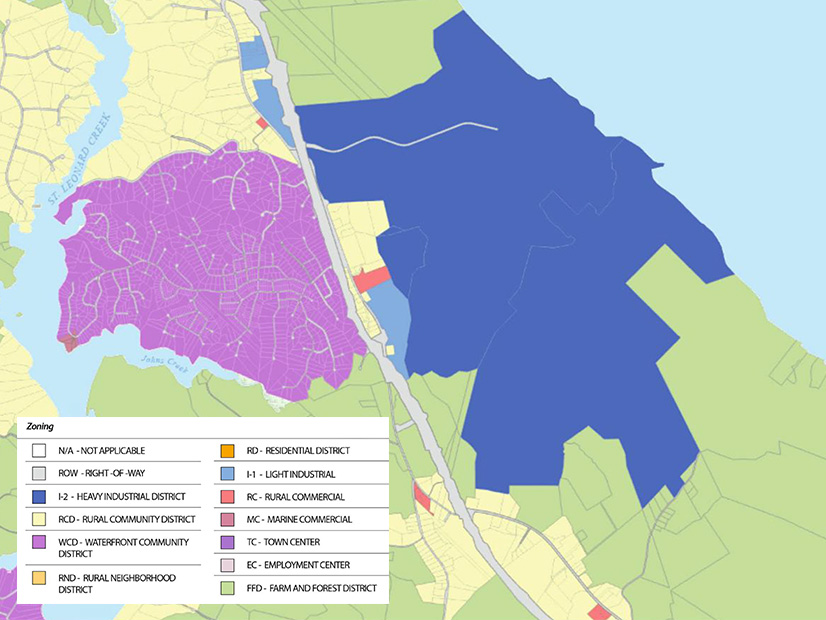
A proposal by Amazon Web Services to build a major data center next to a nuclear plant in Maryland has sparked scrutiny from local officials and the state ratepayer representative over the potential impact.
Consumers Energy
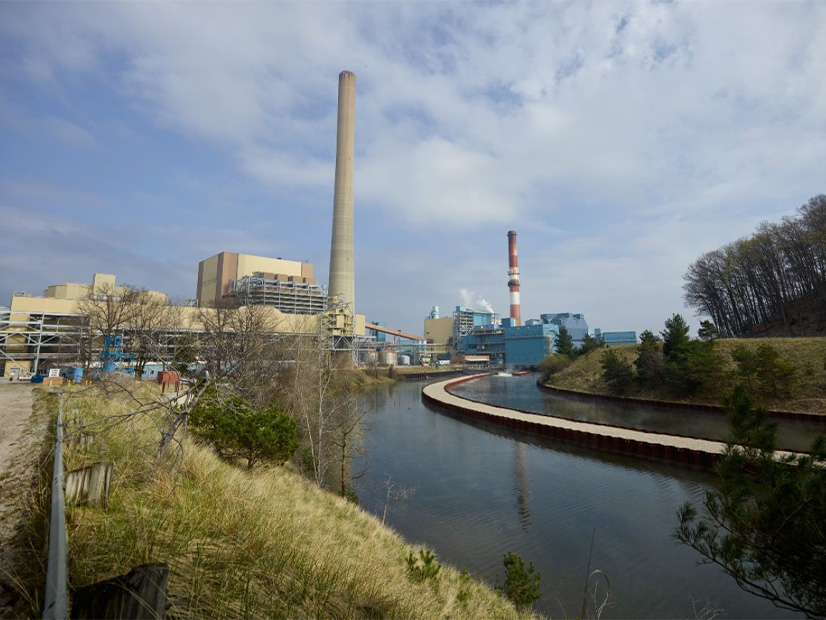
States and environmentalists told an appeals court that DOE is trying to usurp authority over planning for the bulk power system via its use of the Federal Power Act Section 202(c) to keep the Campbell coal plant and other generators open past planned retirement dates.
Stream Data Centers
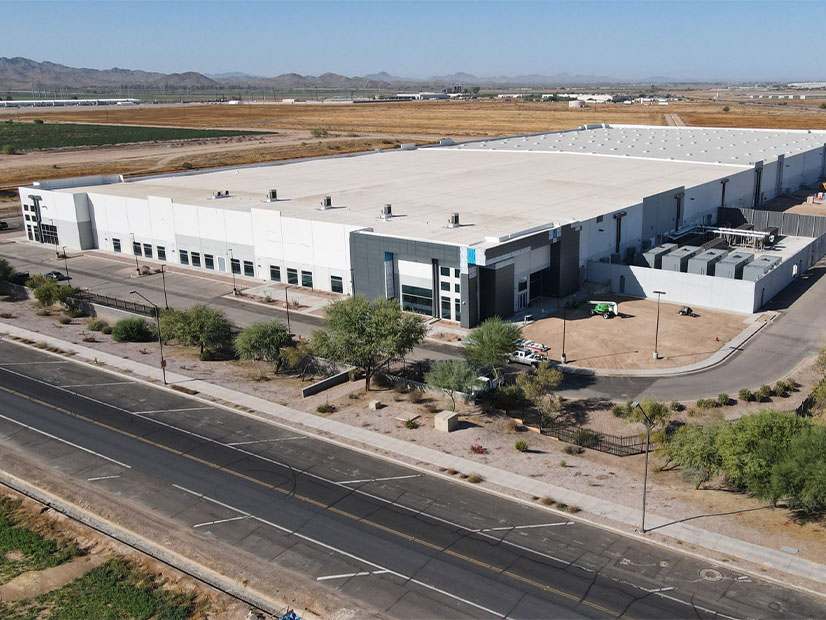
Data centers are a hot topic for Arizona state officials, as the Arizona Corporation Commission has scheduled a workshop on the subject and the governor’s office has released a task force report with six data-center-related recommendations.
PGE
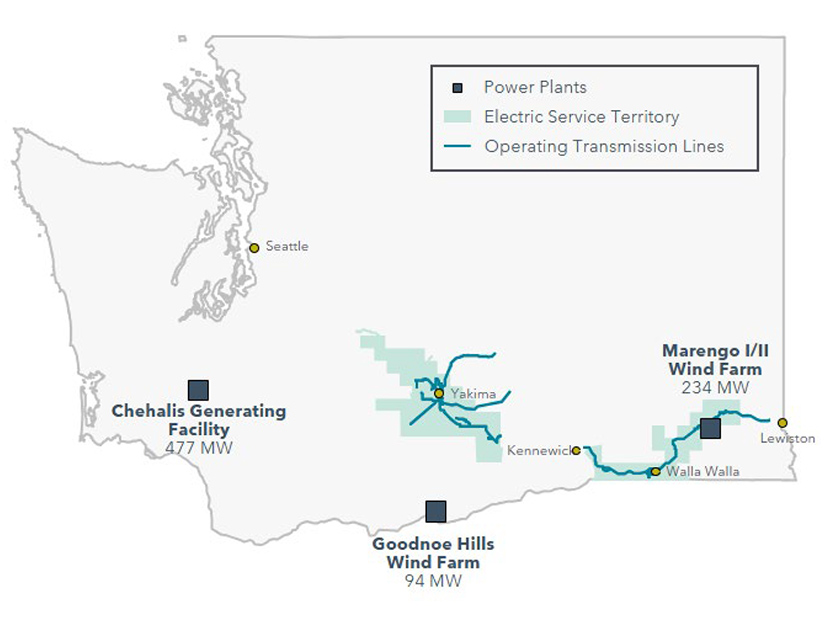
Portland General Electric has asked the Oregon Public Utility Commission to approve its proposed $1.9 billion purchase of PacifiCorp’s Washington assets, saying the deal paves the way for continued investments in the Pacific Northwest.
Eversource Energy
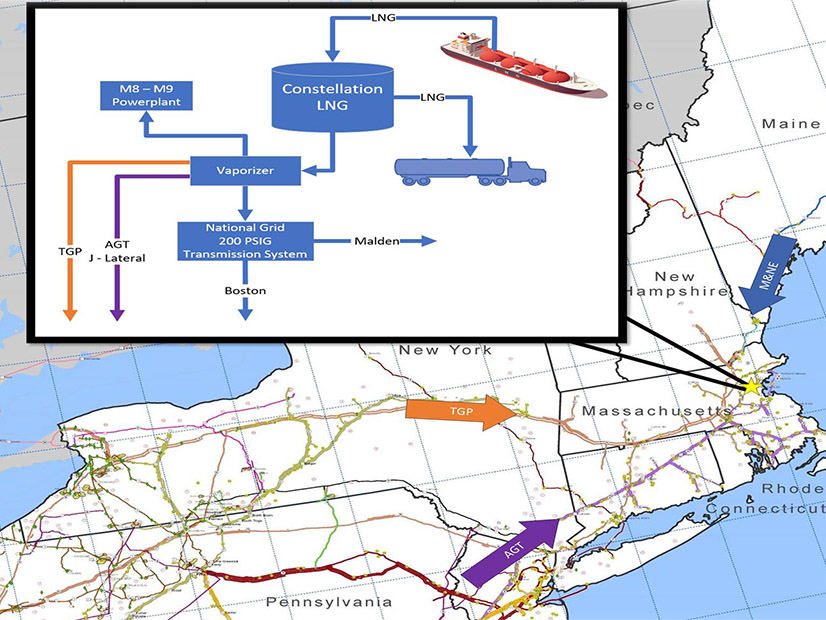
The Everett Marine Terminal will be needed to preserve the reliability of the Boston-area gas system beyond the 2030 expiration date of the facility’s current utility contracts, gas companies told regulators in recent filings.
Want more? Advanced Search
