State & Regional
AlabamaAlaskaArizonaArkansasCaliforniaColoradoConnecticutDelawareDistrict of ColumbiaFloridaGeorgiaHawaiiIdahoIllinoisIndianaIowaKansasKentuckyLouisianaMaineManitobaMarylandMassachusettsMichiganMinnesotaMississippiMissouriMontanaNebraskaNevadaNew HampshireNew JerseyNew MexicoNew YorkNorth CarolinaNorth DakotaOhioOklahomaOntarioOregonPennsylvaniaRhode IslandRTO-IndianaSouth CarolinaSouth DakotaTennesseeTexasUtahVermontVirginiaWashingtonWest VirginiaWisconsinWyoming
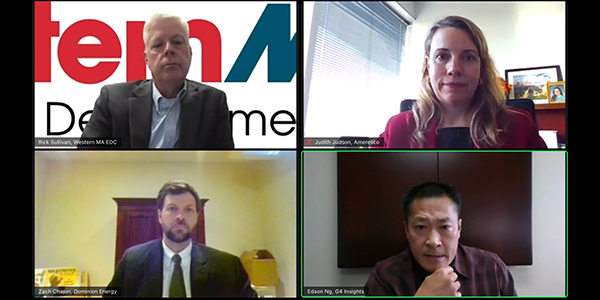
The NECA Fuels Conference tackled the subject of natural gas bans by local governments, questioning if they are necessary to transition to clean energy.
FERC
Most panelists urged FERC to support state and RTO efforts to introduce carbon pricing during a daylong technical conference.
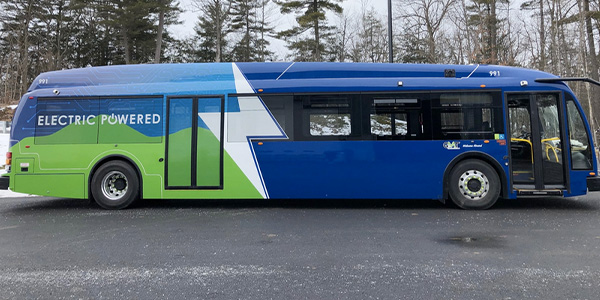
Panelists at the Energy Action Network Summit discussed how to increase bus ridership and incentivize EV purchases in the mostly rural Vermont.
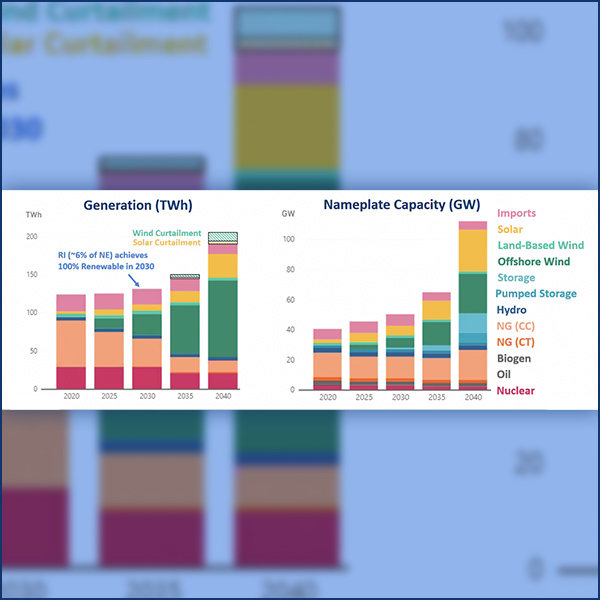
Rhode Island will need to add about 440 GWh of renewable energy annually to meet the state’s goal of 100% renewable energy by 2030, Brattle said.
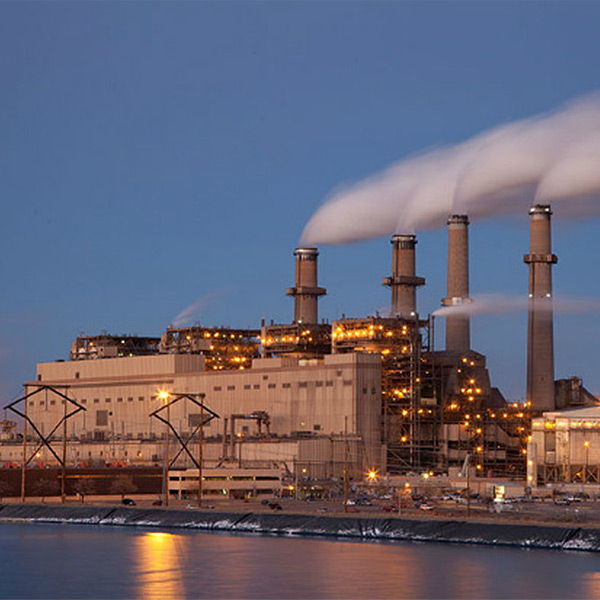
Voters in New Mexico and Nevada will make major decisions on their states’ energy futures come Election Day in November.
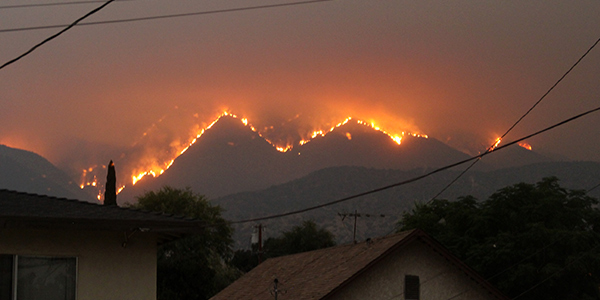
Wildfires have burned nearly 4 million acres in California this year, but there’s little indication utility equipment played a role.
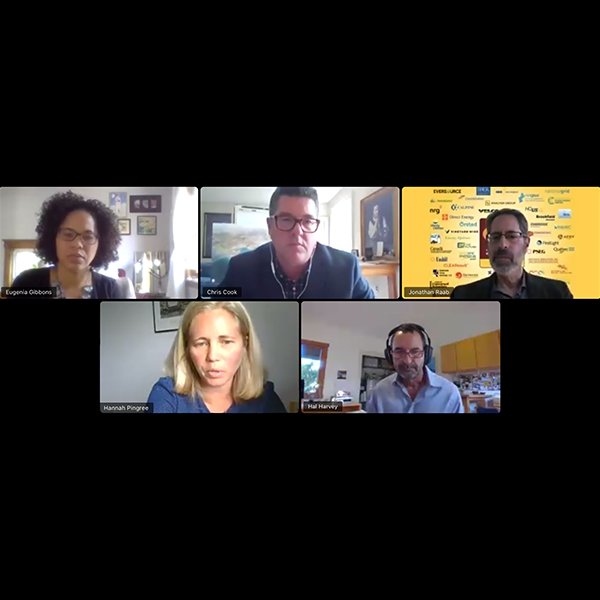
Stronger federal leadership is needed to help New England’s decarbonization efforts, Massachusetts' and Connecticut's top energy officials said.
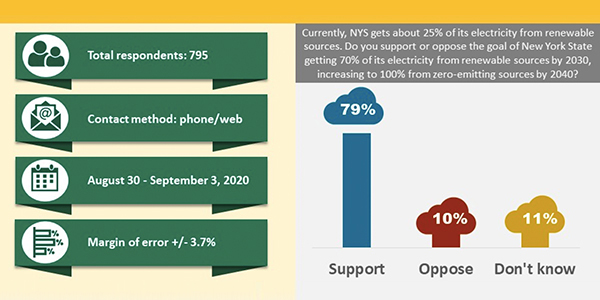
More than 60% of New Yorkers said they approve of NYISO’s carbon pricing plan, according to a poll released by the ISO.
The Maine PUC announced a 546-MW procurement of renewable energy, its largest since restructuring more than 20 years ago.
New York’s utilities are working with government officials and project developers to fine-tune the processes of state-mandated energy storage solicitations.
Want more? Advanced Search