NetZero Insider
Agriculture & Land UseBuilding DecarbonizationCookingEnergy EfficiencySpace HeatingWater HeatingCommentary & Special ReportsConference coverageCompany NewsEquity & EconomicsEmployment & Economic ImpactEnvironmental & Social JusticeFederal PolicyCongressDepartment of EnergyLoan Programs Office (LPO)Department of TransportationEnvironmental Protection AgencyFederal Energy Regulatory CommissionGeneral Services Administration (GSA)Interior DepartmentBureau of Land ManagementBureau of Ocean Energy ManagementNuclear Regulatory CommissionTreasury DepartmentWhite HouseGeneration & FuelsBioenergyFossil FuelsCoalNatural GasGeothermalHydrogenNuclearSMRRenewable PowerCommunity solarHydropowerOffshore Wind PowerOnshore Wind PowerSolar PowerRooftop solarUtility scale solarImpact & AdaptationIndustrial DecarbonizationState and Local PolicyAlabamaArizonaCaliforniaCA LegislationCalifornia Air Resources Board (CARB)California Energy Commission (CEC)California Public Utilities Commission (CPUC)ColoradoConnecticutDelawareDistrict of ColumbiaFloridaGeorgiaHawaiiIdahoIllinoisIndianaKentuckyLouisianaMaineMarylandMassachusettsMichiganMinnesotaMississippiMissouriMontanaNevadaNew HampshireNew JerseyNew MexicoNew YorkNYSERDAPublic Service CommissionNorth CarolinaNorth DakotaOhioOntarioOregonPennsylvaniaRhode IslandSouth CarolinaTennesseeTexasUtahVermontVirginiaWashingtonWest VirginiaWisconsinWyomingTechnologyCarbon CaptureTransmission & DistributionEnergy StorageMicrogridsTransportation DecarbonizationAirplane DecarbonizationEV chargersHeavy-duty vehiclesBattery Electric Buses (BEB)Fuel Cell Electric Buses (FCEB)Light-duty vehiclesBattery Electric VehiclesFuel Cell VehiclesPlug-in hybrid electric vehiclesShip electrificationClean Ports
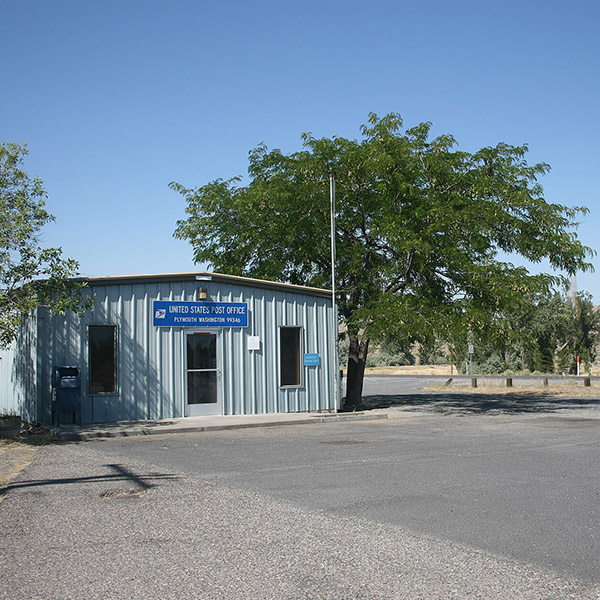
Williamborg, CC-BY-SA 3.0, via Wikimedia Commons
The Wallula Gap project could also include an optional battery energy storage system not to exceed the nameplate capacity of the facility.
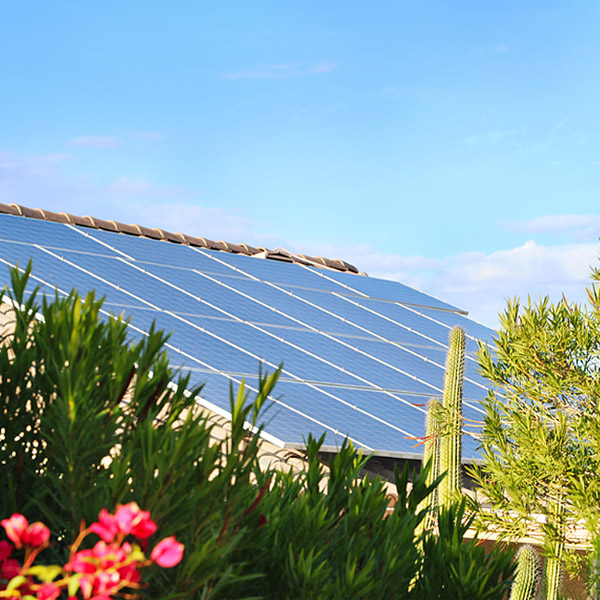
Sun Valley Solar Solutions
FERC declined to act on a petition that accused the Salt River Project of violating PURPA with rates that discriminate against customers with rooftop solar.
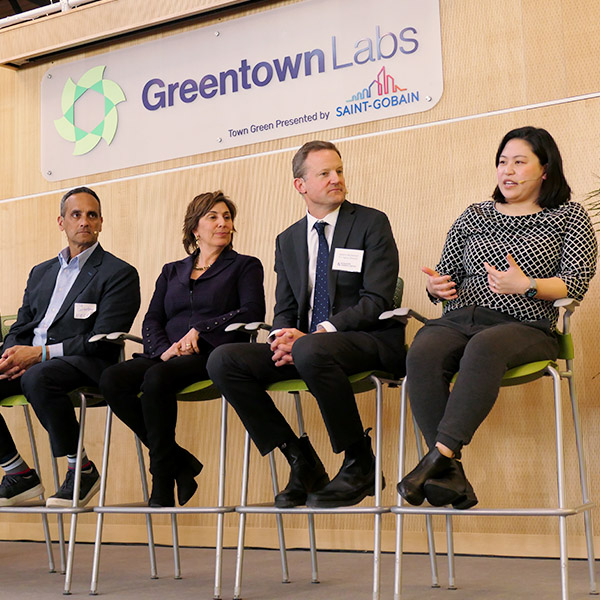
© RTO Insider LLC
An event by Advanced Energy United drew connections between the infrastructure needs of the clean energy transition and Boston’s Big Dig highway project.
Solar Energy Manufacturers for America
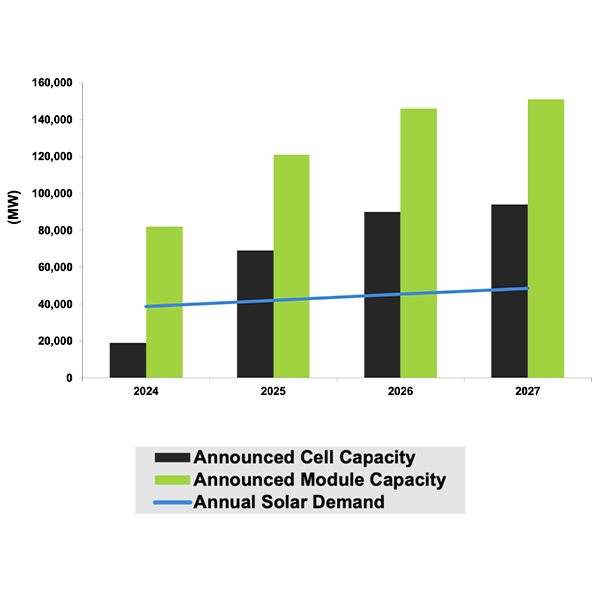
The U.S.' incentives for domestic solar component manufacturing are insufficient, even with the Inflation Reduction Act, the report argues.
California Energy Commission
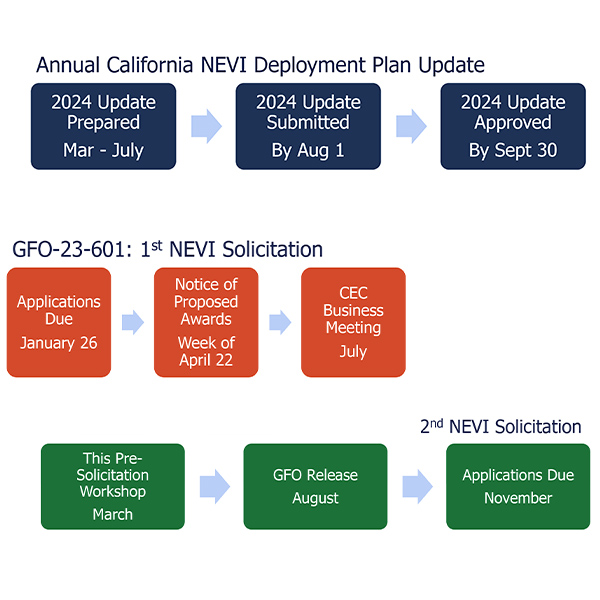
California officials are exploring how to improve the process for dispensing hundreds of millions in federal funding to construct a public network of electric vehicle charging stations.

© RTO Insider LLC
U.S. Energy Secretary Jennifer Granholm received a lukewarm reception from attendees at CERAWeek 2024 as a result of the administration's recent pause of liquified natural gas terminal projects.
Port of Seattle
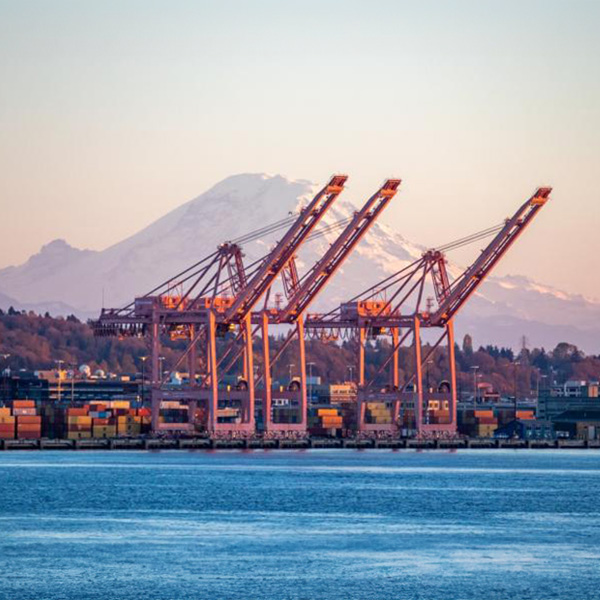
Washington could be closer to joining the California-Québec carbon market after the three governments issued a statement saying they will explore linking their cap-and-trade systems.
ISO-NE
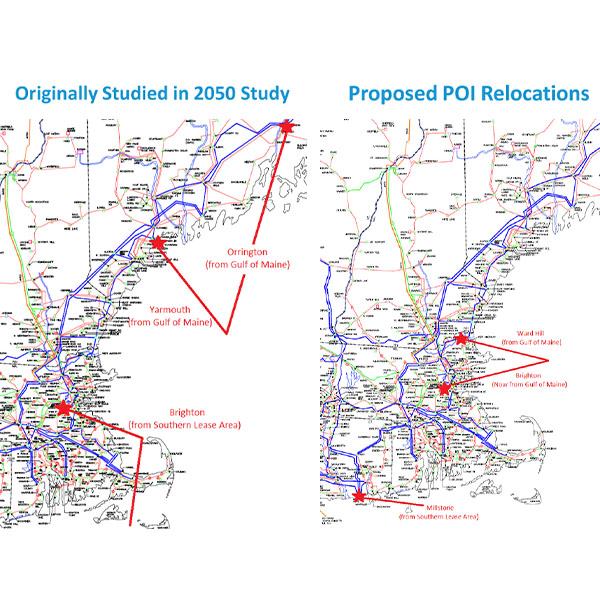
ISO-NE is planning to study the effects of shifting two offshore wind points of interconnection from Maine to Massachusetts and conduct a preliminary analysis of offshore wind interconnection points across the region.
BOEM
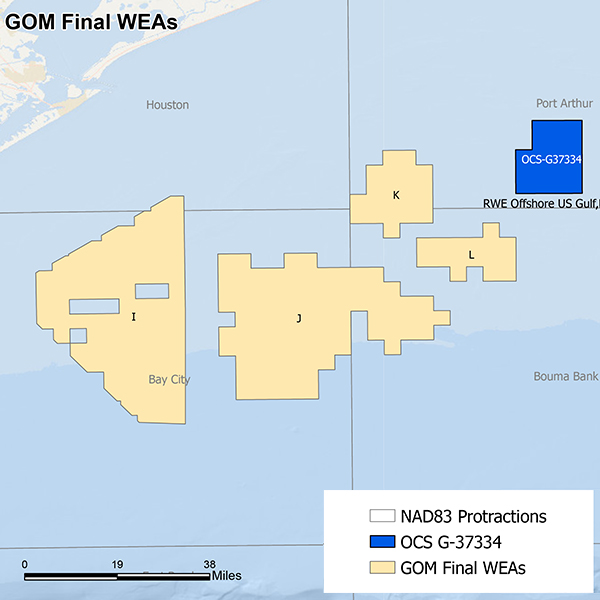
The federal government is teeing up a second wind energy auction in the Gulf of Mexico.
EPA
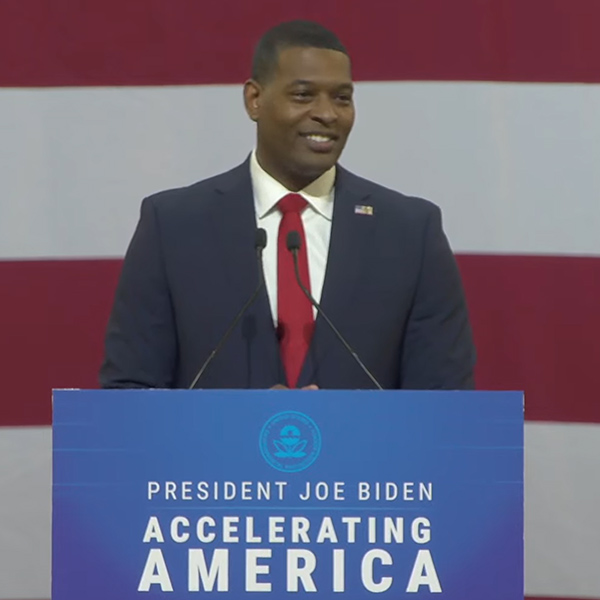
EPA's final rule on light-duty vehicle emissions aims to give the industry more time and flexibility on how to reach its ambitious targets.
Want more? Advanced Search